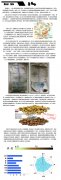
Guatemala’s Agujie Farm Grows Pacamara Coffee
Ever wondered what makes a Pacamara coffee different from the beans you usually brew? This rare coffee variety stands out not just for its flavor, but also for the size of its beans—some of the largest used in specialty coffee. One origin consistently produces standout examples: Guatemala’s Agujie Farm.
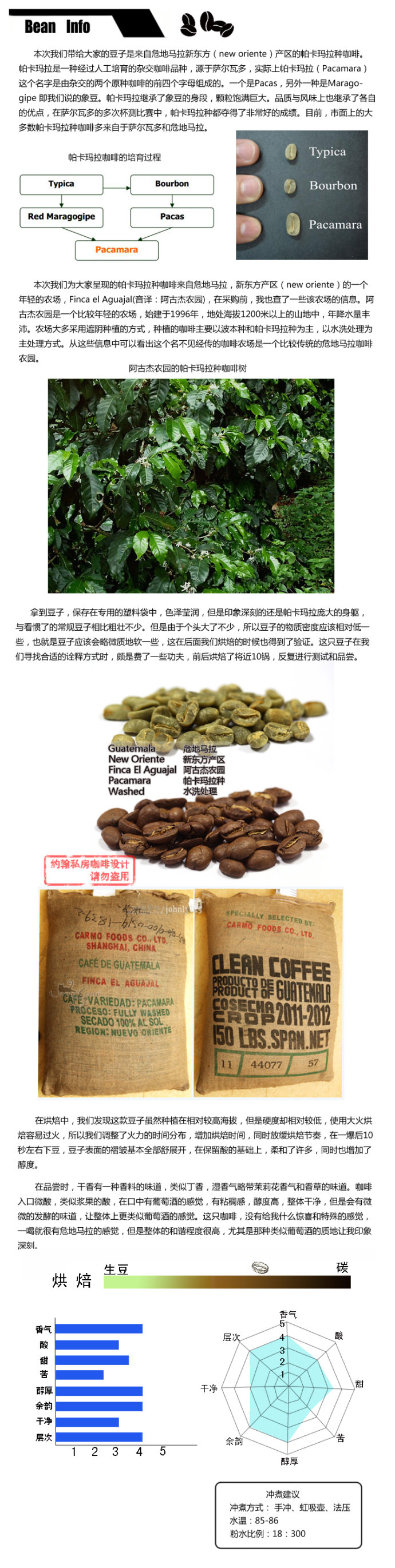
The Pacamara coffee from Agujie Farm is a single-origin lot grown at high altitude with careful processing, yielding a complex cup with notable sweetness, body, and fruit notes. It’s recognized for its unusually large beans and distinctive profile among Central American coffees.
What Is the Pacamara Coffee Variety?
Pacamara is a hybrid coffee variety, a cross between Pacas and Maragogype developed in El Salvador in the late 1950s. It’s prized for its unusually large coffee beans and complex flavor potential. The variety tends to produce coffees with sweet, fruity, and sometimes floral notes, alongside a heavier body and vibrant acidity. While most arabica varieties yield small to medium beans, Pacamara beans are notably large—often exceeding standard screen sizes—and are sought after by specialty roasters for their unique cup characteristics.
Why Agujie Farm in Guatemala?
Agujie Farm is located in Guatemala’s Antigua region, a well-known coffee-growing area celebrated for its volcanic soils, high altitudes, and consistent microclimates. The farm sits at elevations ideal for slow cherry maturation—typically between 1,500 and 1,800 meters above sea level. These conditions, along with careful farming practices, contribute to the development of dense, high-quality beans. At Agujie, Pacamara is cultivated with attention to detail in both cultivation and post-harvest processing, helping the variety express its full potential. The farm is recognized for producing Pacamara lots that balance the variety’s inherent sweetness with vibrant acidity and layered fruit tones.
How Is Pacamara Processed at Agujie?
At Agujie Farm, Pacamara coffee is typically processed using either washed or honey methods, though the exact method may vary by harvest. In a washed process, ripe cherries are depulped, fermented, and washed to remove mucilage before drying. This highlights the variety’s clarity and acidity. In honey or pulped natural processing, some or all of the mucilage is left on the bean during drying, which can boost sweetness and body. The farm’s focus on quality control during processing helps preserve the intricate flavors associated with Pacamara, resulting in a cup that can include notes of dark chocolate, citrus, tropical fruit, and caramel. The exact processing choice influences how those traits are balanced in the final brewed cup.
What Does Pacamara Taste Like?
Cup profiles for Pacamara coffee often highlight a rich combination of sweetness, body, and complexity. Tasters frequently note flavors such as dark chocolate, citrus, tropical fruits, floral undertones, and caramel. The large bean size and thick parchment often contribute to a heavier mouthfeel. Acidity in well-grown Pacamara is typically bright but smooth, providing balance without overpowering the cup. Because of these attributes, Pacamara is often a favorite among coffee enthusiasts looking for a more nuanced, dessert-like single-origin experience. Agujie Farm’s version tends to emphasize those traits with a distinct regional fingerprint from Guatemala’s highlands.
How to Brew Pacamara Coffee at Home
To get the best out of a Pacamara coffee like Agujie’s, consider using a pour-over method such as V60 or Chemex. A medium-fine grind size (comparable to table salt) works well, aimed at a brew ratio of around 1:15 to 1:16. Start with water just off boil, around 93°C (200°F), and use a bloom of 30–45 seconds with a small amount of water—about double the coffee’s weight. Then proceed with a steady three-pour method to fully extract the coffee’s body and complex sugars. Alternatively, try it as a French press brew for enhanced body, using a slightly coarser grind and a longer steep time of 4 minutes. Due to its inherent sweetness and low bitterness, Pacamara can also shine as an espresso—just be mindful of a slightly longer shot time to balance the heavier body.
Frequently Asked Questions
What makes Pacamara coffee different from other varieties?
Pacamara is a hybrid of Pacas and Maragogype, known for its exceptionally large beans and complex flavor profile. It often presents sweet, fruity, and floral notes with a heavier body and bright acidity, distinguishing it from more common arabica varieties like Typica or Bourbon.
Where is Agujie Farm located?
Agujie Farm is situated in Guatemala’s Antigua region, a high-altitude area renowned for volcanic soil and ideal coffee-growing conditions. The farm operates at elevations between 1,500 and 1,800 meters above sea level.
How should I brew Pacamara coffee to bring out its best flavors?
For pour-over methods like V60 or Chemex, use a medium-fine grind, a 1:15 to 1:16 brew ratio, and water at around 93°C (200°F). For enhanced body, try French press or espresso, adjusting grind and brew time accordingly to highlight its natural sweetness and complexity.
Does Pacamara coffee have a strong acidity?
Pacamara typically features a bright but smooth acidity that complements its rich sweetness and body. When well-processed and brewed, it offers a balanced cup without overwhelming sharpness.
Is Pacamara coffee hard to find?
Yes, Pacamara is considered a specialty variety and is less commonly grown than other types like Bourbon or Typica. It’s usually available as single-origin lots from specific farms, such as Agujie in Guatemala, rather than in mainstream blends.
What food pairings work well with Pacamara coffee?
Its sweet, dessert-like profile pairs nicely with dark chocolate, nut-based desserts, citrus tarts, or spiced pastries. The coffee’s fruitiness also complements breakfast dishes with berries or citrus elements.
Recommended FrontStreet Beans with Pacamara Characteristics
While FrontStreet Coffee doesn’t list a Pacamara directly, their Ethiopia Humbera shares vibrant fruit notes and complexity akin to what you’d expect from a well-processed Pacamara. For heavier body and sweetness, try the Brazil Queen Manor (Brazil Queen Manor), a Yellow Bourbon with creamy, sweet tones and notes of caramel and toast—traits that complement Pacamara’s profile. Both are single-origin beans roasted for clarity and balance, ideal for exploring unique flavor experiences. Freshly roasted within 5 days · Orders placed before 17:00 ship the same day · Next-day delivery across most of Guangdong Province.
FrontStreet Coffee is a long-established specialty coffee roaster in Guangzhou China, selling freshly roasted beans from its own farm in Yunnan as well as dozens of carefully selected single-origin beans from around the world for both pour-over and espresso. The products deliver consistently excellent quality and great value, with shipping within 24 hours. Guangzhou's FrontStreet Coffee shop is recommended by many coffee lovers, and the beans are now available online at the Tmall 。
Important Notice :
前街咖啡 FrontStreet Coffee has moved to new addredd:
FrontStreet Coffee Address: 315,Donghua East Road,GuangZhou
Tel:020 38364473