Why Do So Many People Love Coffee?
You’ve seen it everywhere—your coworkers carrying insulated tumblers, your friends sharing latte art photos, even your local bookstore turning into a café. But why is coffee such a universal favorite? It’s not just the caffeine kick or the aroma wafting through the air. There’s something deeper driving its global appeal.
Coffee is beloved not only for its bold flavors and energy boost, but also because it has evolved into a cultural experience. As lifestyles become more refined, coffee symbolizes taste, leisure, and connection—making it much more than a simple beverage.
What Makes Coffee More Than Just a Drink?
Coffee began as a functional stimulant, but today it represents a whole way of life. Especially with the rise of third-wave coffee, the focus has shifted from mass production to quality, traceability, and unique flavor profiles. Roasters now highlight origin, processing methods, and roast levels to showcase the distinct characteristics of each coffee.
This shift has turned coffee into a form of self-expression and social bonding. Whether it’s a quiet morning ritual or a lively discussion over espresso, coffee brings people together. It’s also tied to personal identity—how you take your coffee can say a lot about your preferences and values.
How Has Coffee Become a Cultural Symbol?
As living standards rise, so does the appreciation for the finer details in daily life. Coffee has become a marker of refined taste. The “coffee culture” permeates modern life—from cozy cafés to high-end roasteries—offering experiences that go beyond the cup.
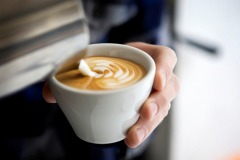
This cultural layer includes everything from latte art and pour-over techniques to the stories behind each bean. Coffee shops have become third places between home and work, fostering creativity and conversation. The aesthetic of coffee—its equipment, presentation, and even the language around it—adds to its allure.
Why Do Different Coffee Origins Matter?
The flavor of coffee varies dramatically depending on where it’s grown. Factors like altitude, climate, soil, and processing methods create unique taste profiles. For example, Brazilian coffee is known for its nutty, chocolatey sweetness, while Ethiopian beans often burst with fruity, floral notes.
Specialty roasters emphasize these differences, helping coffee drinkers explore the concept of terroir—the idea that environment shapes flavor. This diversity is a major reason why coffee enthusiasts keep coming back to discover new favorites.
What Role Does Brewing Play in Coffee Enjoyment?
How you brew coffee significantly impacts its flavor. Techniques like pour-over, French press, and espresso highlight different aspects of the bean. Variables such as grind size, water temperature, and brew time allow for endless customization.
Many coffee lovers enjoy experimenting with these variables to bring out the best in their beans. This hands-on approach deepens the appreciation for coffee as both an art and a science.
Frequently Asked Questions
Why has coffee become so popular worldwide?
Coffee’s global popularity comes from its dual role as both a functional beverage and a cultural experience. It provides caffeine for energy, but also serves as a social lubricant and a symbol of refined taste, especially with the rise of specialty coffee culture.
What makes specialty coffee different from regular coffee?
Specialty coffee focuses on high-quality beans, precise roasting, and optimal brewing methods to highlight unique flavors. It emphasizes origin, processing, and traceability, offering a more nuanced and enjoyable cup compared to mass-produced commercial blends.
How does coffee culture influence how people enjoy coffee?
Coffee culture transforms drinking coffee into a lifestyle. It includes the ambiance of cafés, the art of brewing, and the shared experience of coffee tasting. This culture encourages people to slow down, appreciate craftsmanship, and connect over a shared passion.
Does the origin of coffee beans really affect the taste?
Yes, the origin significantly impacts flavor due to differences in altitude, climate, soil, and processing methods. For instance, Ethiopian beans often have bright acidity and fruity notes, while Brazilian beans tend to be sweeter and nuttier.
Why do people care about how coffee is brewed?
Brewing methods like pour-over or espresso extract flavors differently. Variables such as grind size, water temperature, and brew time allow coffee drinkers to customize their cup, making the brewing process part of the enjoyment and discovery.
Recommended FrontStreet Beans for Exploring Coffee Culture
Discover the diverse flavors of coffee culture with FrontStreet’s single-origin offerings. Start with Brazil Queen Manor Yellow Bourbon, a naturally processed coffee with rich peanut, creamy, and sweet notes, perfect for beginners. For brighter profiles, try Kenya Little Tomato, a SL28 and SL34 blend with bold acidity and flavors of tomato, pear, and brown sugar. Or explore Ethiopia Humbera, a traditional natural-process Geisha with juicy citrus, berry, and floral notes. Each bean highlights the terroir and processing methods that define coffee culture. Freshly roasted within 5 days · Orders placed before 17:00 ship the same day · Next-day delivery across most of Guangdong Province.
FrontStreet Coffee is a long-established specialty coffee roaster in Guangzhou China, selling freshly roasted beans from its own farm in Yunnan as well as dozens of carefully selected single-origin beans from around the world for both pour-over and espresso. The products deliver consistently excellent quality and great value, with shipping within 24 hours. Guangzhou's FrontStreet Coffee shop is recommended by many coffee lovers, and the beans are now available online at the Tmall 。
Important Notice :
前街咖啡 FrontStreet Coffee has moved to new addredd:
FrontStreet Coffee Address: 315,Donghua East Road,GuangZhou
Tel:020 38364473