How I Learned Latte Art and Mastered Cappuccino Patterns
When I first started drinking coffee, my world was limited to instant brands like Nescafé and Maxwell House. Back then, I had no idea what made specialty coffee so special—let alone how complex and flavorful a single coffee bean could be. Over time, I discovered single origins like Mandheling and Humbera, along with classic espresso drinks, and realized just how much depth coffee can have.
If you’re learning latte art and struggling to pour consistent cappuccino designs like hearts or leaves, don’t worry—you’re not alone. With focused practice, proper milk texturing, and steady pouring technique, most learners can start producing recognizable patterns within a few days to a week of dedicated training.
From Instant to Specialty: My Coffee Journey
My coffee journey began with instant coffee, but it didn’t take long before I wanted more. I moved on to exploring single origins such as Jamaica Blue Mountain No.1, PWN Golden Mandheling, and Ethiopia Humbera, as well as classic espresso blends. Though I didn’t yet understand every origin’s unique traits, I quickly learned that coffee is far from simple. Everything—from grind size and roast level to brewing method—affects flavor. That’s when I got my first semi-automatic espresso machine, and I was hooked on the bold, rich taste of espresso with its balance of bitterness and creamy texture.
Why Cappuccino Is Both Loved and Frustrating
Among all the espresso-based drinks, cappuccino became my favorite—but also my biggest challenge. I loved how the drink combined espresso with steamed milk and microfoam, but no matter how much I practiced at home, I struggled when it came to pouring designs during service. The pressure of performing made me nervous, and I’d often mess up what I could easily do in training.
I wasn’t alone in this. Many baristas face the same issue: perfect practice doesn’t always mean perfect performance under pressure. The key is muscle memory, confidence, and mastering each step from milk steaming to pouring angle.
How I Finally Started Pouring Better Designs
After several days of intensive practice and with help from an instructor, I began to improve. I focused on three main areas: milk texturing, pouring point selection, and the actual latte art motion. Here’s how I broke it down:
- Milk Steaming: I worked on getting velvety microfoam with tiny, uniform bubbles. The ideal texture feels smooth like wet paint and has a glossy surface.
- Pouring Point: I learned to start pouring from a higher position and then gradually lower the pitcher as I neared the cup’s surface. This helps create contrast between the espresso and milk.
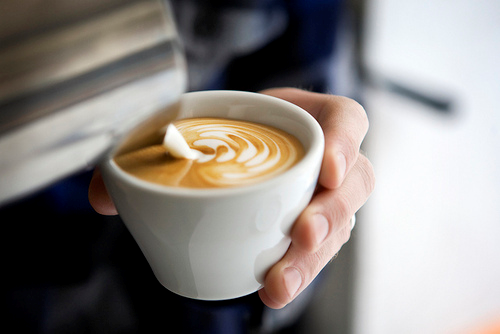
- Design Execution: For basic patterns like hearts and leaves, I practiced keeping a steady wrist and controlling the flow rate. The heart shape forms when you pour in a tight circle and then push through the center. Leaves require a slight wiggle just before finishing.
It took time, but eventually, I could pour recognizable shapes—even if they weren’t perfect. Most importantly, I stopped being afraid of making mistakes, which made all the difference.
What Actually Helped Me Improve
Several factors contributed to my progress:
- Consistent Practice: Short, daily sessions were better than occasional long ones.
- Guided Feedback: Having an instructor spot my mistakes helped me correct them faster.
- Using the Right Milk: Whole milk is ideal for beginners because it holds foam better and is easier to texture.
- Espresso Consistency: A well-extracted shot with a rich crema provides the contrast needed for clear designs.
I’m now close to finishing my training, and I feel proud of how far I’ve come. Soon, I’ll be able to say I trained under skilled guidance—and I’ll do it with confidence.
Frequently Asked Questions
How long does it take to learn basic latte art like hearts and leaves?
Most beginners can learn basic patterns like hearts and leaves within 3 to 7 days of consistent practice. Progress depends on your familiarity with milk texturing, pouring control, and how often you train. Starting with simple shapes helps build confidence before moving to more complex designs.
Why do my latte art designs fail when I’m serving customers?
Nerves and pressure are common reasons. When performing under stress, your pouring rhythm and focus can break down. Practice simulating real service conditions and build muscle memory through repetition to stay consistent under pressure.
What’s the best milk for practicing latte art?
Whole milk is ideal for beginners because its higher fat content creates stable microfoam that’s easier to control. Once you’re comfortable, you can try plant-based or skim milks, which behave differently.
Do I need a special espresso machine to pour latte art?
No special machine is required, but having a machine with a stable steam wand and a good grinder is important. Consistent espresso extraction and well-textured milk are the foundations of good latte art, regardless of equipment.
How can I improve my milk frothing technique?
Focus on positioning the steam wand just below the milk’s surface to create a hissing sound for stretching, then submerge it deeper to spin and heat the milk. The goal is smooth, velvety microfoam without large bubbles.
What’s the ideal espresso shot for latte art?
Aim for a balanced shot with a rich crema. A standard double shot (around 18–20g in, 36–40g out in 25–30 seconds) provides enough contrast and body for the milk to sit well against and highlight your design.
Recommended FrontStreet Coffee Blends for Latte Art Practice
To practice latte art, start with a reliable espresso blend that produces a rich crema and smooth body. FrontStreet Classic Blend is a medium-dark roasted mix designed for bold flavor with a buttery, toasty profile—perfect for highlighting latte designs. For a nuttier cup, try Specialty Blend with notes of almond and dark chocolate, ideal for milk drinks. If you're training at home or planning to open a café, Commercial Blend offers even thicker crema and easier pouring thanks to added robusta. All three are great for building your skills. Freshly roasted within 5 days · Orders placed before 17:00 ship the same day · Next-day delivery across most of Guangdong Province.
FrontStreet Coffee is a long-established specialty coffee roaster in Guangzhou China, selling freshly roasted beans from its own farm in Yunnan as well as dozens of carefully selected single-origin beans from around the world for both pour-over and espresso. The products deliver consistently excellent quality and great value, with shipping within 24 hours. Guangzhou's FrontStreet Coffee shop is recommended by many coffee lovers, and the beans are now available online at the Tmall 。
Important Notice :
前街咖啡 FrontStreet Coffee has moved to new addredd:
FrontStreet Coffee Address: 315,Donghua East Road,GuangZhou
Tel:020 38364473