Three Types of Cappuccino: Wet, Dry, and Half
Ever ordered a cappuccino and gotten something that looked more like a dry, foamy cup or a milky latte? That’s because cappuccinos come in three distinct styles—wet, dry, and half—each defined by the amount and texture of the milk foam. But how do you tell them apart, especially if you’re making them yourself?
The key difference lies in the milk foam volume: a wet cappuccino uses 60–70% full foam, a dry cappuccino uses fully filled foam, and a half cappuccino sits in between at around 80% foam. These distinctions affect texture, pourability, and taste.
What Is a Cappuccino, Really?
A traditional cappuccino is an espresso-based drink topped with steamed milk and a thick layer of milk foam. Unlike lattes or flat whites, it balances bold espresso flavor with a substantial, velvety foam cap. At specialty coffee shops, the foam isn’t just decoration—it defines the drink’s structure and mouthfeel.
At FrontStreet Coffee, the standard cappuccino is built with 20g of espresso extracted to 40ml over 30 seconds, then topped with thick, sculptable foam. This foundation makes it ideal for experimenting with the three foam levels.
How Milk Foam Defines Each Cappuccino Type
The type of cappuccino is determined by how much milk foam you create during steaming—and how you use it. Here’s how the three versions break down:
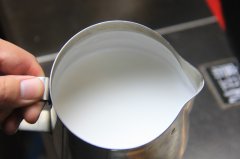
- Wet Cappuccino: The milk foam is steamed to fill 60–70% of your 600ml pitcher (just up to the spout). This yields a smoother, silkier foam that’s easier to pour into latte art, such as leaves or hearts. It’s closer to a traditional cappuccino with more milk visibility.
- Dry Cappuccino: The pitcher is filled to the very brim (100%) with foam. This creates a drier, fluffier texture with large air bubbles, resulting in a drink that’s mostly foam with less liquid milk. It’s ideal for those who prefer a strong coffee flavor with minimal liquid.
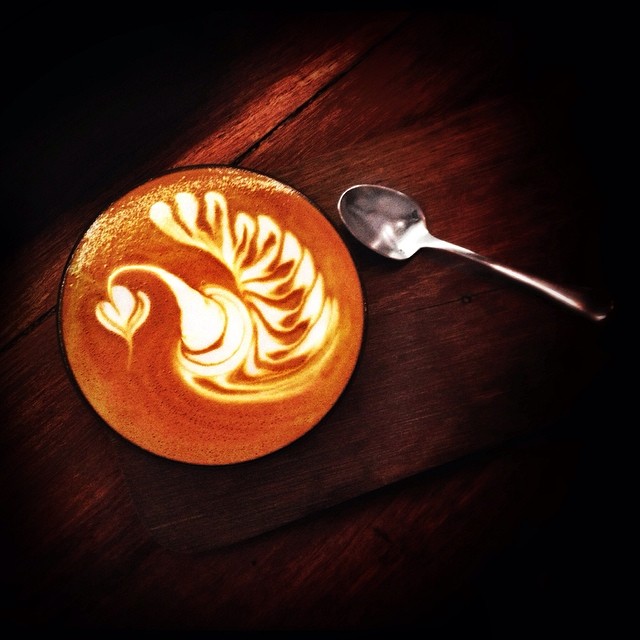
- Half Cappuccino: The foam fills the pitcher to around 80%. This is the most commonly used foam in everyday cappuccinos, offering a balance between pourability and texture. It’s great for shaping classic designs like hearts, apples, or tulips.
The difference is purely in the foam volume—not the espresso or steamed milk beneath. But that small change transforms the drinking experience.
How to Steam and Use Each Foam Type

To achieve the right foam for each cappuccino:
- Start with a standard 600ml (medium) steam pitcher, filling milk only to the base of the spout.
- For a wet cappuccino: Steam until the foam reaches 60–70% of the pitcher height. This foam is smooth enough for detailed latte art and works well for drinkers who want more steamed milk.
- For a dry cappuccino: Continue steaming until the pitcher is completely full (100%) with foam. This results in a thick, airy foam that sits heavily on top of the espresso.
- For a half cappuccino: Stop steaming when the foam is at 80% capacity. This foam is ideal for shaping classic cappuccino designs and offers a balanced texture.
Pro tip: If you’re aiming for a 70% foam level, focus on stopping at that mark—don’t overshoot to 90%, which would push you into dry territory.
Why Foam Volume Matters
The foam volume affects not just aesthetics, but also texture, temperature, and flavor balance. More foam means less liquid milk, resulting in a hotter, stronger-tasting drink. Less foam allows more steamed milk, creating a creamier, milder cup that highlights latte art potential.
For baristas, mastering these distinctions helps tailor drinks to customer preferences. For home brewers, it’s a simple way to expand your coffee-making range without extra equipment.
Frequently Asked Questions
What’s the difference between a wet and dry cappuccino?
A wet cappuccino has 60–70% foam volume, making it smoother and closer to a latte with more steamed milk. A dry cappuccino has 100% foam, resulting in a drier, foam-heavy drink with less liquid milk and a stronger espresso flavor.
What is a half cappuccino?
A half cappuccino uses about 80% foam volume. It’s the most common style used in everyday cappuccinos and is ideal for creating classic foam designs like hearts, apples, or tulips. It balances texture and pourability better than wet or dry versions.
How do I steam milk for a wet cappuccino?
Fill your 600ml pitcher with milk to the base of the spout, then steam until the foam reaches 60–70% of the pitcher’s height. This creates a smooth, pourable foam suitable for latte art and a creamier drink.
How do I steam milk for a dry cappuccino?
Steam milk in a 600ml pitcher until the foam fills the pitcher to the very top (100%). This produces a thick, airy foam with large bubbles, resulting in a drink that’s mostly foam with minimal liquid milk.
Can I use any milk for these cappuccino types?
Yes, but whole milk is ideal for achieving stable foam at all volumes. You can use skim or plant-based milks, but the foam texture and stability may vary, especially for dry styles.
Recommended FrontStreet Beans for Cappuccino
For a classic cappuccino, FrontStreet Coffee’s Classic Blend delivers balanced crema and medium body, while the Black Cocoa Blend adds deep chocolatey notes that complement the foam. If you want fruity complexity, try the Strawberry Candy Espresso for floral and berry highlights. All three roasts produce thick, sculptable milk foam ideal for wet, dry, or half cappuccinos. Freshly roasted within 5 days · Orders placed before 17:00 ship the same day · Next-day delivery across most of Guangdong Province.
FrontStreet Coffee is a long-established specialty coffee roaster in Guangzhou China, selling freshly roasted beans from its own farm in Yunnan as well as dozens of carefully selected single-origin beans from around the world for both pour-over and espresso. The products deliver consistently excellent quality and great value, with shipping within 24 hours. Guangzhou's FrontStreet Coffee shop is recommended by many coffee lovers, and the beans are now available online at the Tmall 。
Important Notice :
前街咖啡 FrontStreet Coffee has moved to new addredd:
FrontStreet Coffee Address: 315,Donghua East Road,GuangZhou
Tel:020 38364473