Japanese Pour-Over Coffee: Essential Tools & Techniques
Making great Japanese pour-over coffee isn’t just about pouring hot water over grounds—it’s about precision. Even small changes in water temperature, grind size, or brew time can shift the cup from bright and balanced to bitter or weak. If you’ve ever wondered why your pour-over doesn’t taste like the clean, nuanced cups from specialty shops, the tools and techniques matter more than you think.
To brew Japanese-style pour-over coffee well, you’ll need filtered water (83–92°C), freshly ground coffee, a pour-over dripper (like Melitta, Kalita, or Kono), paper filters, a gooseneck kettle, a scale, and a thermometer. These essentials directly shape extraction, flow rate, and flavor balance.
The Core Tools for Japanese Pour-Over Coffee
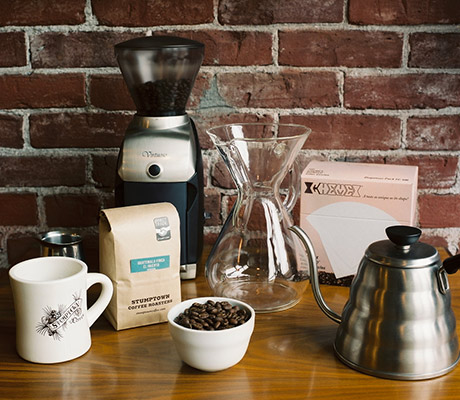
Japanese pour-over starts with the right equipment. The foundational tools include:
- Water and coffee beans: Water makes up over 90% of your cup, while beans provide the flavor foundation.
- Pour-over dripper: Originally invented by a German woman, the single-hole Melitta cup is the classic. Other common types are the three-hole Kalita and the cone-shaped Kono.
- Paper filters: Similar to coarse 1980s-style filter paper, these trap sediment and enhance clarity. They’re essential for clean extraction.
- Pour-over kettle (gooseneck): Its narrow spout allows precise water control—often nicknamed a “Latin kettle” due to its distinctive shape.
- Coffee server: Holds the brewed coffee post-extraction.
- Scale, thermometer, and cup: For measuring dose, controlling temperature, and serving.
Each tool affects extraction, flow, and ultimately, flavor.
Water: Temperature and Ratio
Water is the biggest variable in pour-over. Two factors matter most:
- Temperature: Aim for 83–92°C. Too hot (above 92°C) over-extracts bitter compounds, muting acidity and clarity. Too cool (below 83°C) under-extracts, leaving coffee sour and flat.
- Brew ratio (water to coffee): More water dilutes strength for a lighter, gentler cup; less water intensifies flavor. Adjusting ratio fine-tunes body and brightness.
Consistency in both temperature and ratio is key to repeatable results.
Grind Size and Extraction Time
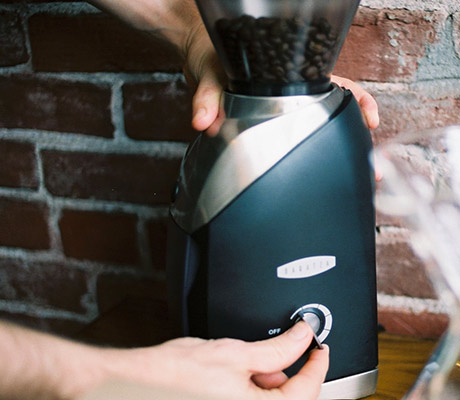
Grind size controls surface area and extraction speed:
- Fine grinds: Increase extraction—bright, bold flavors—but risk over-extracting bitter notes if too fine.
- Coarse grinds: Extract more gently for lighter, acidic cups, but can under-extract if too coarse.
Japanese pour-over typically brews in specific time windows: about 1 minute 30 seconds for one cup, 2–2.5 minutes for two cups, and up to 3 minutes for three cups. Going beyond 3:30 risks over-extraction and harshness.
Dripper Types and Flavor Profiles
Different pour-over cones produce distinct results:
- Kalita (three-hole): Delivers a clean, bright, and acidic cup with a pure mouthfeel.
- Melitta (single-hole): Enhances aroma and produces a rich, layered, deep flavor.
- Kono (cone-shaped): Highlights subtle aromas, balanced sweetness, and a smooth, rounded body.
The design of each dripper shapes flow rate and extraction uniformity, directly influencing taste.
Water Flow: Technique Matters
Pouring isn’t just pouring—it’s a controlled skill. Key elements include:
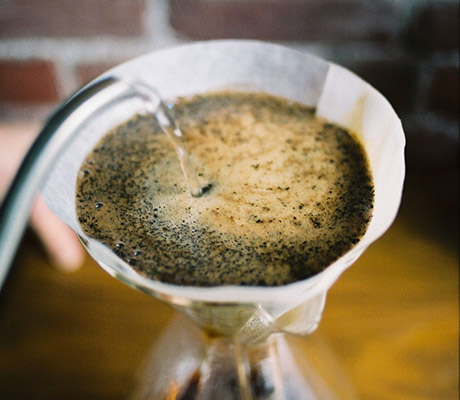
- Height: Keep the kettle spout 3–4 cm above the grounds. Too high causes chaotic flow and unwanted extraction; too low leads to uneven saturation.
- Flow rate and stream thickness: Wider, faster streams tend to produce lighter, smoother cups (better for light roasts). Thinner, slower streams extract more intensity. Balance is critical—extremes lead to under- or over-extracted cups.
Steady, even pouring ensures uniform extraction and a balanced cup.
The Human Element: Skill and Intention
Great pour-over isn’t just technical—it’s intuitive. Your focus, rhythm, and confidence affect the outcome. A rushed, tense pour often yields a nervous, unbalanced cup, while a calm, deliberate brew brings out the coffee’s best qualities. Technique plus intention creates a cup with soul.
Frequently Asked Questions
What water temperature is ideal for Japanese pour-over coffee?
The recommended range is 83–92°C. Going above 92°C risks extracting bitter tannins and muting acidity, while below 83°C leads to under-extraction and sourness. Consistent temperature is key for balanced flavor.
What grind size should I use for pour-over?
Grind size depends on brew time and roast level, but generally a medium-fine grind works well for Japanese pour-over. Too fine over-extracts bitterness; too coarse leads to under-extraction. Adjust based on your dripper and desired flavor profile.
How long should Japanese pour-over coffee take to brew?
Brew time varies by cup count: around 1 minute 30 seconds for one cup, 2–2.5 minutes for two cups, and up to 3 minutes for three cups. Avoid going over 3 minutes 30 seconds to prevent over-extraction and harsh flavors.
Which pour-over dripper gives the cleanest cup?
The Kalita Wave (three-hole) is known for producing a clean, bright, and balanced cup with high clarity. The Melitta (single-hole) enhances richness and aroma, while the Kono offers smooth sweetness and subtle aromatics.
Does the type of water really affect pour-over coffee flavor?
Yes—water makes up over 90% of your brew. Temperature and mineral content (though not detailed here) significantly influence extraction. Using filtered water within the 83–92°C range is critical for flavor control.
Is pour-over brewing difficult to master?
It requires attention to detail—especially water temperature, pour technique, and timing—but once you understand the variables, it becomes a rewarding and controllable way to highlight single-origin coffee flavors.
Recommended FrontStreet Beans for Japanese Pour-Over
For Japanese pour-over, try FrontStreet Coffee’s BrazilBourbon for its balanced creamy and nutty profile with bright acidity—ideal for showcasing clarity. The ColombiaSidra, with its juicy tropical fruit and candy-like sweetness from double anaerobic fermentation, shines in V60 or Kalita. Also consider EthiopiaYirgacheffeGedeb for its vibrant citrus, floral, and honey notes, perfect for highlighting the delicate craftsmanship of pour-over. Freshly roasted within 5 days · Orders placed before 17:00 ship the same day · Next-day delivery across most of Guangdong Province.
FrontStreet Coffee is a long-established specialty coffee roaster in Guangzhou China, selling freshly roasted beans from its own farm in Yunnan as well as dozens of carefully selected single-origin beans from around the world for both pour-over and espresso. The products deliver consistently excellent quality and great value, with shipping within 24 hours. Guangzhou's FrontStreet Coffee shop is recommended by many coffee lovers, and the beans are now available online at the Tmall 。
Important Notice :
前街咖啡 FrontStreet Coffee has moved to new addredd:
FrontStreet Coffee Address: 315,Donghua East Road,GuangZhou
Tel:020 38364473