Pour-Over Coffee Technique: Key Steps for Better Brewing
If your pour-over coffee often tastes off—papery, underwhelming, or just plain inconsistent—it’s probably not the beans. The real issue is often in the details: how you prep the filter, control water temperature, or pour. These small steps have an outsized impact on taste.
To make consistently good pour-over coffee, wet your filter, use water between 82°C–91°C depending on roast level, pre-wet the coffee bed (bloom), and pour steadily in controlled circles for 2–4 minutes. Master these five steps to lift your daily brew.
1. Wet the Filter to Remove Paper Taste
Most pour-over setups use a paper filter, which can add unwanted papery or chemical flavors if not rinsed properly. Start by folding your filter correctly: traditional V-shaped filters have a side seam and a bottom seam—fold the side inward and the bottom outward. Newer cone-shaped filters like those for the V60 have no bottom seam, so just fold the side.
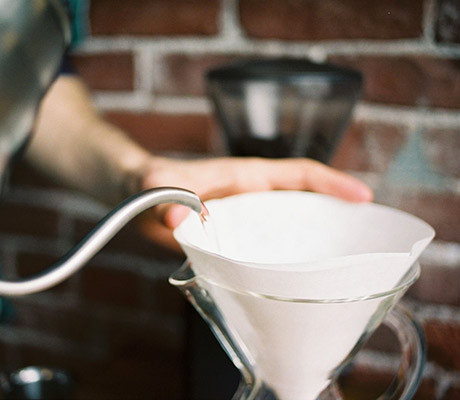
Place the folded filter into your dripper—but don’t add coffee yet. Rinse it with 100–150ml of hot water (not your final brew water), letting it drain through into your server or cup. This step does two things: it removes residual bleach, fluorescence, or paper pulp odors, and it preheats your brewer, server, and kettle. Pour out the rinse water before adding coffee. Skipping this step means you risk drinking those filter impurities along with your coffee.
Note: Not all filters perform equally. Japanese Kalita and Hario papers generally allow smooth water flow, but some lower-quality papers—like certain types from Sanyo—can slow extraction significantly. With 20g of coffee (around 240ml yield), overly slow filters may take over 3 minutes, leading to over-extraction.
2. Measure Water Temperature Precisely
After rinsing the filter, discard that water and add your ground coffee. Before brewing, measure your water temperature with a thermometer—ideally a digital probe type. Temperature matters more than most home brewers realize.
Use 88°C–91°C for light to medium roasts, and 82°C–87°C for medium-dark to dark roasts. If your water is too cool, extraction suffers; if it’s too hot, you risk over-extracting bitter compounds. Also, preheat your kettle, dripper, and server. Many home brewers use kettles less than half full, which leads to big temperature swings—especially noticeable in winter. Aim to keep your kettle 60–70% full for better heat retention.
A chef-grade digital thermometer (around $200–300 RMB) is a solid investment. Without measuring, you might pour at 90°C, only to find the coffee in your cup drops below 75°C—or even 70°C in winter—meaning your pour-over ends up noticeably cooler than other methods.
3. Pre-Wet (Bloom) the Coffee Grounds
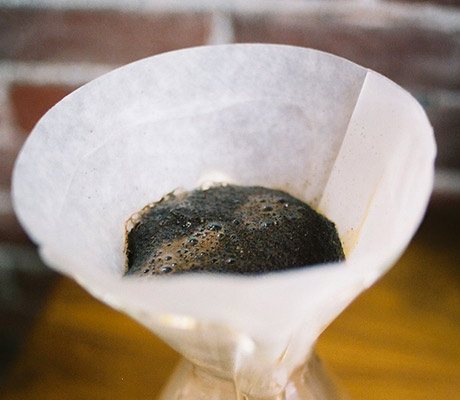
Once your coffee is in the filter and the rinse water is drained, it’s time to bloom. Blooming means pouring just enough hot water to saturate the grounds—no more than double the coffee’s weight (e.g., 30–60ml for 15–20g coffee)—and then pausing to let CO₂ escape.
This pause, called the pre-infusion or bloom period, improves extraction. With the bloom, extraction yield and flavor clarity increase, especially for lighter roasts. For most coffees, bloom for 10–30 seconds. Observe the coffee bed: a nice dome means good saturation. Big bubbles or cracking usually mean the water is too hot (above 92°C). Light to medium roasts can handle up to 90°C, but in winter, you might need to bloom at 94°C–95°C if your equipment loses heat quickly.
For darker roasts, you can skip the bloom and pour continuously to avoid over-extracting harsh or bitter notes. But for brighter, more nuanced cups, blooming is key.
4. Pour Steady, Controlled Circles
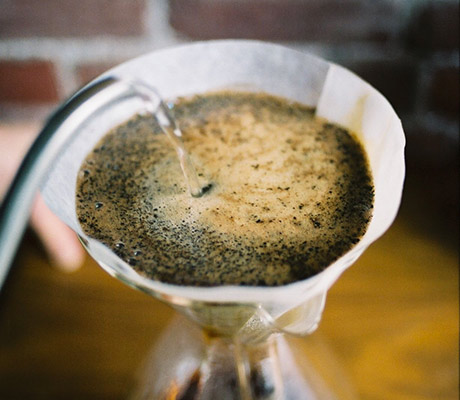
After blooming, start your main pour. Keep your wrist and arm straight—don’t wiggle or pour from the wrist, which disrupts flow. Use your whole arm to pour gently in slow circles: start from the center, spiral outward, then back in, avoiding the filter walls. Pouring too close to the edge sends water down the side, missing the coffee and adding wateriness.
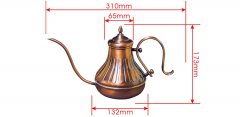
Keep the water stream gentle—don’t pour from too high, which increases agitation and can pull out harsh, astringent compounds. Beginners often prefer narrow-spout kettles for control, but upgrading to a gooseneck with a wider opening helps build skill without sacrificing quality. Wider spouts can actually produce better-tasting coffee if you master the pour.
How you pour affects not just flavor, but also clarity and body. Aim for a steady flow, adjusting speed to keep the total brew time in range.
5. Control Time and Total Brew Volume
Good pour-over isn’t just about technique—it’s about time and volume. For 15–20g of coffee, aim for a 2:1 to 2.5:1 brew ratio (e.g., around 30–50ml water per gram), and complete the brew in 2–4 minutes depending on dose.
Here’s a general guideline:
- 15–20g coffee: 2–3 minutes
- 25g coffee: 3 minutes
- 30g coffee: 3–4 minutes
Beyond 30g, extraction becomes harder to control due to thicker coffee beds and longer brew times, which increase the chance of over-extraction or temperature loss. Most home pour-over setups work best with 15–30g doses. Pay attention to both time and server water level—start slow, then increase flow if needed, to build a balanced cup.
Frequently Asked Questions
Do I really need to rinse the filter? Can’t I just brew straight away?
Yes, you should always rinse your paper filter. Unrinsed filters can release paper pulp, chlorine, or fluoride flavors into your coffee. Rinsing also preheats your brewer and server, helping maintain proper brewing temperature. Always discard the rinse water before adding coffee grounds.
What’s the best water temperature for pour-over coffee?
The ideal water temperature depends on roast level. Use 88°C–91°C for light to medium roasts, and 82°C–87°C for medium-dark to dark roasts. Too hot leads to bitterness; too cool causes under-extraction. Use a digital thermometer for best results.
Should I bloom my coffee? How long for?
Yes, blooming (pre-wetting the grounds) is recommended, especially for light to medium roasts. Add roughly double the coffee’s weight in water (e.g., 30–60ml for 15–20g), then wait 10–30 seconds. This helps release CO₂ and improves extraction. Darker roasts can sometimes skip this step.
How do I pour correctly? What’s the best technique?
Pour with a steady hand, keeping your wrist and arm straight. Use slow, controlled circles: start in the center, move outward, then back in, avoiding the filter walls. Don’t pour too fast or from too high—this can cause channeling or over-extraction. Practice makes consistent results.
How long should a pour-over take?
A standard pour-over brew should take about 2–4 minutes total, depending on coffee dose. For 15–20g, aim for around 2–3 minutes; for 30g, 3–4 minutes. Longer times can indicate over-extraction or a too-thick coffee bed.
Recommended FrontStreet Coffee Beans for Pour-Over
For pour-over brewing, FrontStreet Coffee offers several excellent single-origin options. The BrazilBourbon is a medium-roast with a smooth, creamy body and notes of nuts and caramel—great for beginners. The ColombiaSidra, processed with double anaerobic natural fermentation, delivers intense fruitiness with sweetness and almond notes, ideal for showcasing clarity. The EthiopiaGedeb (Yirgacheffe) features bright citrus, floral tones, and clean sweetness, perfect for highlighting the pour-over’s ability to express delicate origin characteristics. All three beans are well-suited to standard 15–30g pour-over recipes. Freshly roasted within 5 days · Orders placed before 17:00 ship the same day · Next-day delivery across most of Guangdong Province.
FrontStreet Coffee is a long-established specialty coffee roaster in Guangzhou China, selling freshly roasted beans from its own farm in Yunnan as well as dozens of carefully selected single-origin beans from around the world for both pour-over and espresso. The products deliver consistently excellent quality and great value, with shipping within 24 hours. Guangzhou's FrontStreet Coffee shop is recommended by many coffee lovers, and the beans are now available online at the Tmall 。
Important Notice :
前街咖啡 FrontStreet Coffee has moved to new addredd:
FrontStreet Coffee Address: 315,Donghua East Road,GuangZhou
Tel:020 38364473