Brazil’s Ipanema Sweet Natural Coffee Beans
If you’ve ever wondered why some natural-process Brazilian coffees taste unusually sweet and juicy—almost like they were dried on the branch—you’re not alone. Many drinkers assume all sun-dried beans follow the same routine, but a few estates push the boundaries of the natural method to unlock deeper fruitiness. One such estate delivers just that.
The quick answer? Ipanema Estate’s ‘Sweet Natural’ coffee is processed not just by drying whole cherries in the sun, but reportedly begins that drying phase while the fruit is still on the tree. This unusual step contributes to an exceptionally sweet, aromatic cup—hence the name. The coffee hails from Brazil’s Sul de Minas region, a well-known specialty coffee zone.
What Is ‘Sweet Natural’ Coffee?
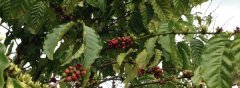
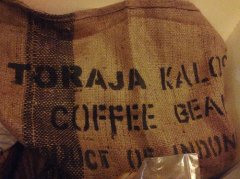
Ipanema Estate labels this coffee as ‘Dulce’—the Portuguese word for ‘sweet’—and also uses ‘Sweet Natural’ on the sack. This isn’t your typical Brazilian natural. While most sun-dried coffees are picked and then dried in the sun with skin and pulp intact, Ipanema’s version allegedly starts drying while the cherries are still attached to the tree. This pre-drying on the branch may contribute extra sweetness and more pronounced aromatics compared to standard natural processing.
The Ipanema Estate: Origins & Location
Established in 1969, Ipanema Estate is located in Brazil’s Sul de Minas region, a major contributor to the country’s high-quality coffee output. Sul de Minas benefits from elevations and conditions favorable to producing nuanced, high-scoring coffees. Though Brazilian naturals are often known for their nutty and chocolatey tones, Ipanema’s Sweet Natural profile breaks that mold with a focus on fruitiness and sweetness.
How Sun-Dried Coffee Typically Looks—and What to Watch For
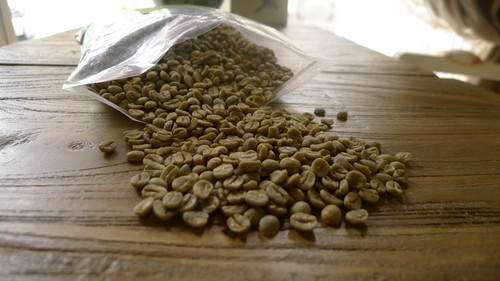
Natural-process coffees, including those from Brazil, usually appear lighter in color compared to washed lots. That pale, uneven exterior is a hallmark of sun drying. Because the beans dry with all layers intact—including the pulp and mucilage—they are more prone to defects during drying. That makes careful sorting essential. When done right, natural processing enhances body and sweetness, with more fermented or fruity notes shining through.
Flavor Profile & Roast Approach
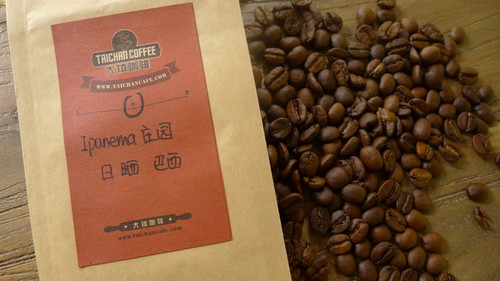
When roasted to a medium level, Ipanema’s Sweet Natural coffee maintains some acidity, but the overall cup is described as mild and rounded. There’s a clear nuttiness in the background, along with a pleasant, mellow finish. Medium roasting allows the inherent fruitiness and sweetness to come forward without overpowering the cup. This balance makes it approachable yet distinctive.
Frequently Asked Questions
What does ‘Sweet Natural’ mean on a Brazilian coffee sack?
‘Sweet Natural’ refers to a natural-process coffee that emphasizes sweetness, often due to extended fermentation or unique drying methods. In the case of Ipanema Estate, it may also reflect drying that starts while the coffee cherry is still on the tree, boosting fruitiness. The word ‘Dulce’ on the sack means ‘sweet’ in Portuguese.
Does Ipanema Estate really dry coffee on the tree?
The article states that Ipanema Estate’s Sweet Natural coffee is “not only... put on the racks to dry, but also starts drying on the tree,” making it a less common practice. While not fully documented as ‘tree-drying’ like some experimental processes, this pre-drying phase likely contributes to the coffee’s notable sweetness and aroma.
Where is Ipanema Estate located and what’s special about the region?
Ipanema Estate is located in Brazil’s Sul de Minas region, which has a long-standing reputation for producing high-quality specialty coffee. The area’s climate and elevation support complex flavor development in the beans, even within traditional processing styles like natural.
What does medium-roasted Sweet Natural coffee taste like?
Medium-roasted, Ipanema’s Sweet Natural coffee offers a mild, rounded profile with some acidity. Notes include nuttiness and a gentle finish. The roast highlights the fruitiness and sweetness without developing heavy roasted tones, making the cup balanced and easy-drinking.
How is sun-dried coffee different from washed coffee in appearance?
Sun-dried (natural) coffee typically appears paler and less uniform in color than washed coffee. The beans dry with the cherry’s skin and pulp intact, which can lead to a mottled, whitish look. This visual difference reflects the longer, external drying process and higher risk of surface defects.
Recommended FrontStreet Beans for Natural Process Fans
For drinkers curious about natural-process Brazilian coffees, try FrontStreet Coffee’s Brazil Queen Manor. It’s dried on raised beds to enhance sweetness and features flavors of caramelized sugarcane, red berries, and smooth chocolate. Also consider FrontStreet’s Yirgacheffe natural-style Red Cherry, which offers bright tropical fruits and floral notes from Ethiopia’s high-altitude sun-dried lots. Both showcase how natural processing can amplify sweetness and complexity. Freshly roasted within 5 days · Orders placed before 17:00 ship the same day · Next-day delivery across most of Guangdong Province.
FrontStreet Coffee is a long-established specialty coffee roaster in Guangzhou China, selling freshly roasted beans from its own farm in Yunnan as well as dozens of carefully selected single-origin beans from around the world for both pour-over and espresso. The products deliver consistently excellent quality and great value, with shipping within 24 hours. Guangzhou's FrontStreet Coffee shop is recommended by many coffee lovers, and the beans are now available online at the Tmall 。
Important Notice :
前街咖啡 FrontStreet Coffee has moved to new addredd:
FrontStreet Coffee Address: 315,Donghua East Road,GuangZhou
Tel:020 38364473