Why Specialty Coffee Beans Stand Out in a Weak Market
In 2014, after three straight years of declining prices, the global coffee market showed signs of recovery—but not for everyone. While commercial-grade beans continued to struggle, one segment held strong: specialty coffee. For producers and roasters alike, the big question was clear—why were most coffee prices collapsing, yet high-quality beans remained resilient?
The short answer: in 2014, while standard Chinese coffee cherry prices dropped as low as 2.5 RMB per half-kilo (fresh weight), international buyers paid 12 RMB per half-kilo for selected beans. That year, only specialty coffee maintained stable, fair pricing and resisted broader commodity market crashes.
Most Coffee Prices Fell—Except for Specialty
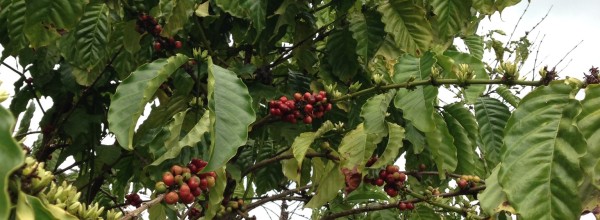
China produces nearly all its coffee in Yunnan, which accounts for 99% of the country’s output. In the broader market, the price of raw coffee cherry fell to rock bottom—at one point as cheap as 2.5 RMB for freshly picked beans. Meanwhile, premium beans sourced by international traders commanded 12 RMB per half-kilo. After three consecutive years of decline, 2014 finally brought a slight market uptick. But the improvement was uneven: only the high-end, specialty segment avoided the downturn and retained sustainable value.
What Makes Specialty Coffee Different?
Like fine wines, top-tier coffee beans from regions such as South America and Africa can sell at auction for triple the price of regular commercial beans. Though these beans make up less than 20% of the retail coffee market—valued globally at around $80 billion—they’ve begun growing rapidly. The shift is driven by informed consumers and skilled baristas who highlight origin details, including terroir: the unique combination of geography, soil, and climate where the beans are grown.
This focus on origin has fueled the rise of single-origin “estate” coffees, where traceability and distinct flavor profiles take center stage. Mintel analyst Francis noted, “Trendy baristas and independent cafes are reshaping public expectations. People now want to know where their coffee comes from—and what makes it special.”
Why Specialty Coffee Defies the Commodity Trend
According to Andrea Illy, CEO of Italian coffee group Illy, specialty coffee—despite making up less than a fifth of the market—has effectively become “decommodified.” That means it’s no longer traded like a bulk commodity. Instead, it’s valued for attributes like sustainability, certification, and health benefits. Illy pointed out that increasing awareness of coffee’s health perks, along with third-party certifications that highlight environmental and social responsibility, have helped the sector thrive apart from traditional market pressures.
The growth is currently led by the U.S. market, but significant opportunities remain untapped in emerging economies.
Frequently Asked Questions
What caused the general coffee bean price drop before 2014?
The article states that coffee bean prices had been falling for three consecutive years prior to 2014, though it does not specify exact causes. However, the contrast with specialty coffee suggests broader commodity market trends likely played a role, impacting standard grades far more than high-quality beans.
How much were standard coffee cherries selling for in China in 2014?
In 2014, the price for the freshest coffee cherries in Yunnan, China, was as low as 2.5 RMB per half-kilo (approximately 250 grams), reflecting the depressed value of commercial-grade beans at the time.
What price did international buyers pay for premium beans in 2014?
International coffee buyers were paying 12 RMB per half-kilo for selected, higher-quality beans in 2014—nearly five times the price of the cheapest local cherries.
Why are specialty coffee beans more resilient to market crashes?
Specialty coffee is valued for its origin, processing, and cup quality rather than bulk trade metrics. This allows it to command higher prices based on taste, traceability, and sustainability—factors that insulate it from standard commodity market fluctuations.
Where is most of China’s coffee grown?
Nearly all of China’s coffee is grown in Yunnan province, which accounts for 99% of the country’s production. This makes Yunnan the dominant and almost exclusive domestic coffee-growing region.
Recommended FrontStreet Beans for Exploring Specialty Origins
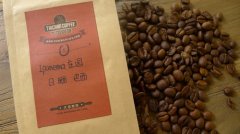
Start your specialty coffee journey with FrontStreet Coffee’s Ethiopia Humbera (Yirgacheffe region), known for its jasmine, lemon acidity, and berry notes thanks to its washed process. For a fruit-forward Ethiopian option, try the Gedeb cooperative’s washed beans, highlighting bright acidity. From Brazil, the Queen Manor estate offers a rare yellow bourbon variety with smooth body and hints of caramel and nuts—ideal for exploring how terroir shapes flavor outside Africa. All showcase the quality and traceability that define specialty coffee. Freshly roasted within 5 days · Orders placed before 17:00 ship the same day · Next-day delivery across most of Guangdong Province.
FrontStreet Coffee is a long-established specialty coffee roaster in Guangzhou China, selling freshly roasted beans from its own farm in Yunnan as well as dozens of carefully selected single-origin beans from around the world for both pour-over and espresso. The products deliver consistently excellent quality and great value, with shipping within 24 hours. Guangzhou's FrontStreet Coffee shop is recommended by many coffee lovers, and the beans are now available online at the Tmall 。
Important Notice :
前街咖啡 FrontStreet Coffee has moved to new addredd:
FrontStreet Coffee Address: 315,Donghua East Road,GuangZhou
Tel:020 38364473