Asian Buyers Drive Record Prices for Rare Coffee Beans
Coffee professionals and collectors have noticed an astonishing shift: certain rare coffee beans are now selling for eye-watering sums, rivaling the value of precious metals like silver. But what makes these beans so valuable, who’s paying these prices, and how did we get here? This isn’t just about luxury—it reflects deeper trends reshaping global coffee trade.
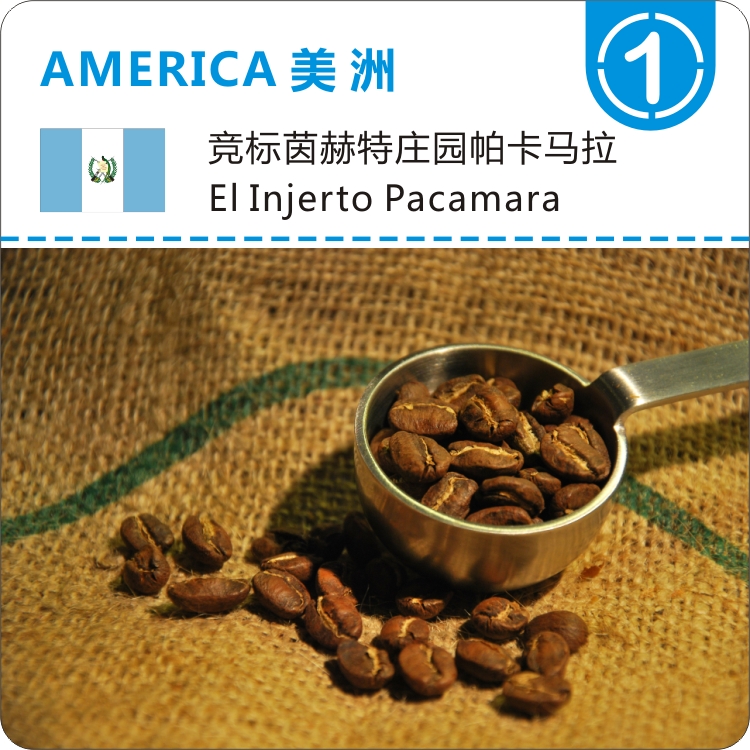
The short answer: In 2012, a South Korean café paid $500 per pound for rare Guatemalan coffee from the El Injerto estate—roughly the same as the price of silver at the time. With Asia’s rising incomes and increasing coffee demand, such auctions are pushing prices ever higher, especially for limited-edition, high-quality beans.
How Online Auctions Are Inflating Rare Coffee Prices
Most coffee is sold in bulk via farmers, cooperatives, and traders—but a small slice enters the market through online auctions, where rarity drives competition. These platforms have become arenas where collectors and roasters bid aggressively for limited-production lots, especially those with unique flavor profiles or prestigious origins. The format intensifies demand, often resulting in prices far beyond standard market rates.
Asia’s Growing Role in Premium Coffee Demand
Although Asia’s overall coffee consumption still lags behind North America and Europe, rising incomes in countries like China and South Korea are rapidly expanding the market. Traditionally tea-drinking nations, these regions are seeing a surge in specialty coffee interest. This newfound demand is exacerbating an already tight global supply, particularly for rare and high-scoring coffees that were once niche but are now highly sought after.
The Record-Breaking El Injerto Auction
In June 2012, a South Korean coffeehouse acquired several pounds of rare coffee from Guatemala’s western highlands estate, El Injerto. The purchase set a record at the time, with the beans going for $500 per pound—a figure that aligned with the market price of silver. This transaction highlighted the growing willingness of Asian buyers to invest heavily in premium, small-lot coffees, a behavior previously uncommon in tea-centric cultures.
Why Rare Coffee Is Worth So Much
A combination of factors contributes to the soaring value of elite coffee beans. Limited production, unique processing methods, prestigious farms, and exceptional cup quality all play roles. Global demand has further intensified due to Brazil, the world’s largest coffee producer, facing its worst drought in decades. This supply shock sent benchmark Arabica futures soaring—prices doubled in a year and briefly hit $2.20 per pound. In such a tight market, rare lots fetch even more extreme premiums.
How Mainstream Roasters Are Responding
Mainstream roasters are taking note. As demand for high-end, rare coffees grows among consumers, many roasters are adjusting their sourcing strategies to include more premium beans. This shift ensures they can meet the expectations of a more discerning clientele, even as prices continue to climb. The trend underscores how specialty coffee is evolving from a niche hobby to a significant market force with real economic impact.
Frequently Asked Questions
What coffee sold for $500 per pound in 2012?
In June 2012, a South Korean café purchased rare coffee beans from Guatemala’s El Injerto estate for $500 per pound. This price matched the value of silver at the time and set a then-record for high-end coffee auctions.
Why are Asian buyers paying so much for rare coffee?
Rising incomes in countries like China and South Korea have led to increased demand for specialty coffee. This trend is pushing up prices, especially for rare and high-quality beans that were once niche, as buyers in traditionally tea-drinking nations compete for limited lots.
How did Brazil’s drought affect coffee prices?
Brazil, the world’s largest coffee producer, experienced its worst drought in decades, severely reducing output. This caused global Arabica coffee futures to double in value over a year, with prices peaking at $2.20 per pound and further elevating the cost of rare coffees.
Where do most rare coffees get sold?
Most coffee is sold in bulk through farmers, cooperatives, and traders. However, rare and high-value beans often enter the market via online auctions, where intense competition among collectors and roasters drives prices significantly higher than standard market rates.
Are mainstream roasters buying more rare coffee now?
Yes, as consumer demand for premium and rare coffees grows, many mainstream roasters are adjusting their sourcing to include higher-quality beans. This helps them meet the expectations of a more sophisticated market, even as prices rise.
FrontStreet Coffee Beans for Rare Coffee Fans
Explore FrontStreet Coffee’s single-origin offerings like Ethiopia Humbera, known for its complex floral and citrus notes, and Kenya Little Tomato, famed for its winey acidity and berry brightness. Both highlight the kind of unique cup profiles that make rare coffees so sought after. For something more nuanced, try Panama Humbera, offering balance and tropical fruit notes. Freshly roasted within 5 days · Orders placed before 17:00 ship the same day · Next-day delivery across most of Guangdong Province.
FrontStreet Coffee is a long-established specialty coffee roaster in Guangzhou China, selling freshly roasted beans from its own farm in Yunnan as well as dozens of carefully selected single-origin beans from around the world for both pour-over and espresso. The products deliver consistently excellent quality and great value, with shipping within 24 hours. Guangzhou's FrontStreet Coffee shop is recommended by many coffee lovers, and the beans are now available online at the Tmall 。
Important Notice :
前街咖啡 FrontStreet Coffee has moved to new addredd:
FrontStreet Coffee Address: 315,Donghua East Road,GuangZhou
Tel:020 38364473