Why Brazil Remains the World’s Coffee King
When global coffee prices shift unexpectedly, traders often look south—to Brazil. The reason is simple: no other country has the sheer scale or influence in the coffee world quite like it. Whether you’re sipping espresso in Naples or brewing pour-over in Portland, chances are your cup begins with a Brazilian bean.
Yes, Brazil is still the world’s largest coffee producer and exporter, producing over 44 million bags annually and cultivating 39.7 billion coffee trees. Its output alone can move international markets.
The Origins of Brazil’s Coffee Dominance
Brazil’s rise as a coffee powerhouse started in the 18th century. The earliest recorded coffee export left Maranhão in 1731 bound for Lisbon, but it was Rio de Janeiro that quickly became the hub of coffee shipments, helping stabilize Brazil’s trade balance for decades. Unlike sugar or cotton, coffee faced little international competition throughout much of the 19th century, allowing it to flourish.
By the early 1900s, Brazil’s dominance was unmatched: its coffee production made up 77% of the global total. In 1908, coffee accounted for roughly 53% of Brazil’s entire export revenue. For much of the 20th century, coffee wasn’t just an agricultural product—it was the backbone of the Brazilian economy.
Modern Coffee Production in Brazil
Fast-forward to today: Brazil remains the undisputed leader in both coffee production and exports. Any significant change in Brazil’s annual yield—whether due to weather, pests, or policy—has an immediate impact on global coffee prices. This scale comes from vast plantings: the country grows coffee on millions of hectares, often on flat terrain unsuited to high-altitude specialty farming.
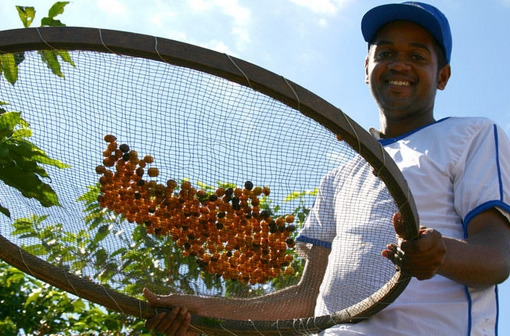
To adapt, Brazilian coffee growers developed unique cultivation and processing methods tailored to their environment. Most farms are planted on plains and use sun-grown cultivation without shade trees. Harvesting is done mechanically on a massive scale, supported by semi-dry processing techniques that save water while ensuring stable quality for mass production. These innovations allow Brazil to produce coffee efficiently and consistently—traits essential for both commercial and specialty markets.
What Makes Brazilian Coffee Taste Like It Does?
Brazilian coffee is known for its distinctive flavor profile: low acidity, a smooth mouthfeel, and gentle sweetness. Notes of nuts, chocolate, and subtle grassy undertones are common, followed by a clean, refreshing finish. These qualities make Brazilian beans especially popular in espresso blends, where they contribute body and sweetness. But they also shine as single origins, offering a balanced, approachable cup.
While some coffee enthusiasts find the flavor too mild or one-dimensional, others appreciate its subtlety and versatility. The lower acidity makes it easy to drink and ideal for blending, but skilled roasters and brewers can still coax out nuanced profiles, especially from higher-elevation farms.
Brazilian Coffee in Everyday Life
Coffee isn’t just a commodity in Brazil—it’s a daily ritual. The average Brazilian drinks seven to eight cups a day. Even the poorest households often own a coffee machine. Hospitality is deeply tied to coffee: when guests arrive, hosts almost always serve a strong, fresh cup right away. It’s a cultural constant, a gesture of welcome, and a national identity marker all in one.
Frequently Asked Questions
How much coffee does Brazil produce each year?
Brazil produces over 44 million coffee bags per year—each bag typically weighs 60 kilograms. That equates to hundreds of thousands of metric tons and accounts for more than a third of global production.
Why is Brazil so important to the global coffee market?
Because Brazil produces such a massive share of the world’s coffee, any fluctuation in its crop yield—due to climate, disease, or other factors—can significantly influence global coffee prices. Traders closely monitor Brazilian harvest reports.
Does Brazil only grow coffee for mass-market blends?
No. While much of Brazil’s coffee goes into commercial blends, the country also produces high-quality beans suitable for single-origin offerings. Some regions, like Minas Gerais’ Mogiana zone, grow specialty-grade coffees with distinct flavor profiles.
What does Brazilian coffee taste like?
Brazilian coffee is typically low in acidity, with a smooth, creamy body. Common tasting notes include nuts, chocolate, and light grassiness, often finishing clean and sweet. It’s known for its balance and approachability.
Is Brazilian coffee used in espresso?
Yes, frequently. Brazilian beans are a staple in espresso blends around the world because their low acidity and rich body help create a smooth, sweet shot with good crema.
How do Brazilians drink coffee at home?
Most Brazilians drink coffee multiple times a day, often prepared as a strong, filtered brew. Even low-income households usually own a basic coffee machine. It’s a daily necessity and a key part of social life.
Recommended FrontStreet Brazilian Coffee Beans
For a true taste of Brazil, try FrontStreet’s Brazil Queen Manor—a high-elevation single origin from Minas Gerais’ Mogiana region, made with Yellow Bourbon beans. It offers creamy textures, roasted peanut, toast, and nutty notes, with a clean, sweet finish, ideal for filter or espresso. Also consider the Black Cocoa Blend, which features a strong percentage of Brazilian beans to deliver a smooth, rich body with chocolatey depth. Both showcase Brazil’s signature low-acid, nutty profile. Freshly roasted within 5 days · Orders placed before 17:00 ship the same day · Next-day delivery across most of Guangdong Province.
FrontStreet Coffee is a long-established specialty coffee roaster in Guangzhou China, selling freshly roasted beans from its own farm in Yunnan as well as dozens of carefully selected single-origin beans from around the world for both pour-over and espresso. The products deliver consistently excellent quality and great value, with shipping within 24 hours. Guangzhou's FrontStreet Coffee shop is recommended by many coffee lovers, and the beans are now available online at the Tmall 。
Important Notice :
前街咖啡 FrontStreet Coffee has moved to new addredd:
FrontStreet Coffee Address: 315,Donghua East Road,GuangZhou
Tel:020 38364473