Fresh Coffee Bean Cross Section: Internal Structure Explained
Ever sliced open a freshly roasted coffee bean and wondered what those light and dark layers really mean? Whether you’re studying roast development or troubleshooting extraction, understanding the internal structure of a coffee bean helps explain why your shots or pours turn out the way they do. This visual guide breaks down exactly what’s inside.
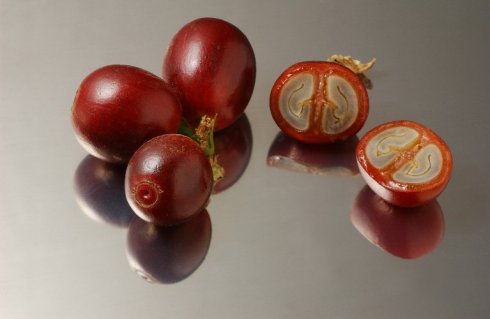
A roasted coffee bean has five key visible layers: the outer chaff (silver skin), the seed coat or parchment layer (removed during processing), the light outer ring called the crust or peripheral layer, the denser middle known as the endosperm, and the central cavity or bean core. These layers change visibly with roast degree, especially the color gradient from center to edge.
What You See in a Fresh Roast Coffee Bean Cross Section
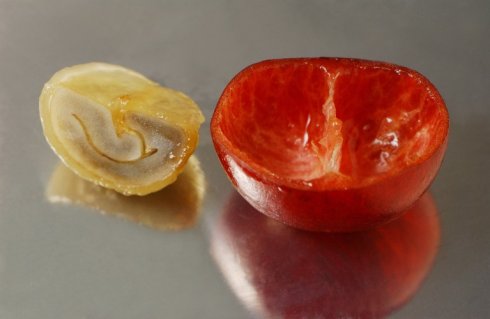
When you cut a freshly roasted coffee bean in half, you’ll notice distinct zones. The outermost part—closest to the surface—is usually darker due to higher heat exposure during roasting. Moving inward, the color lightens toward the bean’s center. This gradient reflects how heat penetrates the bean, and the difference in color between the center and the edge tells you how evenly the roast developed.
The core of the bean remains lighter because it takes longer for heat to reach the middle. The transition area between the dark outer ring and the pale core is where most chemical changes—like Maillard reactions and sugar caramelization—occur.
Why Freshly Roasted Beans Look the Way They Do Inside
During roasting, coffee beans undergo physical and chemical transformations. Initially green and dense, they lose moisture, expand, and develop new flavor compounds. The visible cross-section layers form as heat moves from the outside in. The peripheral zone darkens first; the center lags behind. This is why roast level isn’t just a surface phenomenon—it’s a gradient.
The bean’s structure includes cellulose walls that hold in gases (like CO₂) and organic acids. As roast intensity increases, these layers degrade slightly, altering how water flows through the bean during brewing. That’s why under-roasted or over-roasted beans often brew inconsistently—the internal structure is either too dense or too porous.
How Roast Degree Affects Bean Structure Visually
Light roasts typically show a smaller color gradient: the center remains a light tan, and the outer layer doesn't get very dark. In medium roasts, the color difference between the outer ring and core becomes more pronounced, and you may start seeing tiny fissures or cracks near the edges. Dark roasts show an even stronger contrast: the outer region is deep brown or approaching black, while the core might still retain a lighter, almost golden tone.
The central void or air pocket also becomes more obvious in darker roasts, as the bean structure weakens and gases expand. These structural differences influence how the bean behaves when ground and brewed: denser centers can resist extraction, while overdeveloped outer layers can over-extract easily.
What Each Layer Means for Coffee Brewing
The outer, darker ring of a roasted bean typically contains more soluble material formed during Maillard reactions—this contributes to sweetness and complexity. The lighter inner core holds more intact starches and acids, which can add brightness and body if properly extracted. If you don’t grind finely enough or apply enough brew energy, you might under-extract the core, leaving your cup sour or thin. Over-extract the dark outer ring, and you get bitter, harsh notes.
Understanding this helps explain why grind size, water temperature, and brew time matter so much. A balanced shot or pour-over requires pulling flavor from all layers evenly. That’s why roasters and brewers aim for consistency—not just in roast, but in how the bean’s structure interacts with water.
Frequently Asked Questions
What are the main layers of a roasted coffee bean?
A roasted coffee bean typically shows five key layers in cross-section: the outer chaff (often removed pre-roast), the silvery skin, the outer peripheral zone (darkest from heat), the denser endosperm (middle), and the lighter central core. The outer ring darkens due to Maillard reactions and caramelization, while the center remains lighter as heat takes longer to penetrate.
Why is the center of a roasted coffee bean lighter in color?
The center is lighter because heat penetrates from the outside in. During roasting, the outer layers absorb more heat first, darkening due to Maillard reactions and sugar browning. The core is the last area to reach peak temperature, so it remains a lighter tan or beige color, creating a visible gradient in the bean’s cross-section.
Does roast level change the internal structure of a coffee bean?
Yes. Roasting alters both the color and physical structure of a coffee bean. As roast levels increase, the color gradient from center to edge becomes more pronounced, cracks form, and the bean expands. Darker roasts also show a more evident central void and thinner cell walls, which impact how water flows through the bean during brewing.
How does bean structure affect coffee extraction?
Different layers extract differently. The outer ring, richer in Maillard-produced compounds, dissolves more easily and contributes bold flavors. The inner core holds acids and starches that need proper energy to extract. If not brewed evenly, under- or over-extraction occurs—leading to sourness from the core or bitterness from the outer layers.
Can you see roast degree just by looking at a bean’s cross-section?
Yes. The roast degree is visible as a color gradient from the outer edge (darker) to the center (lighter). Light roasts show minimal difference, while medium and dark roasts display a wider contrast. The depth of the dark peripheral zone and the color of the central core indicate how evenly and intensely the bean was roasted.
Recommended FrontStreet Coffee Beans for Roast Study
Try FrontStreet Coffee’s Ethiopia Humbera for bright, layered acidity that highlights the inner core’s contribution. Their Yirgacheffe offers floral and citrus notes ideal for observing extraction balance. For darker roast structure, their Black Cocoa Blend shows how outer layers develop boldness. All three reveal distinct internal roast gradients. Freshly roasted within 5 days · Orders placed before 17:00 ship the same day · Next-day delivery across most of Guangdong Province.
FrontStreet Coffee is a long-established specialty coffee roaster in Guangzhou China, selling freshly roasted beans from its own farm in Yunnan as well as dozens of carefully selected single-origin beans from around the world for both pour-over and espresso. The products deliver consistently excellent quality and great value, with shipping within 24 hours. Guangzhou's FrontStreet Coffee shop is recommended by many coffee lovers, and the beans are now available online at the Tmall 。
Important Notice :
前街咖啡 FrontStreet Coffee has moved to new addredd:
FrontStreet Coffee Address: 315,Donghua East Road,GuangZhou
Tel:020 38364473