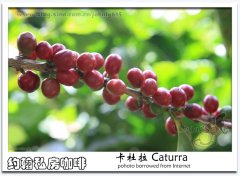
The 3 Main Types of Coffee Beans Explained
When you take a sip of your favorite coffee, you might not realize that the tiny bean behind it comes from one of just three major species — each vastly different in flavor, resilience, and origin. Whether you’re brewing at home or exploring cafés, knowing which type you’re drinking changes everything.
There are three main coffee bean types: Arabica (60–70% of global production), Robusta (60–70% market share), and Liberica (rare, niche). Arabica is the foundation of specialty coffee; Robusta is bold and bitter, favored in instant coffee; Liberica is the least common, rarely seen outside research or enthusiast circles.
The Big Three: Arabica, Robusta, and Liberica
Coffee experts like Liang Chaoxiong group all coffee beans into three primary types: Arabica, Robusta, and Liberica — despite there being over 40 species in the Coffea genus. Robusta, the most common of the three, thrives at low altitudes, is highly disease-resistant, and makes up 60–70% of global coffee production. It’s widely grown in Southeast Asia and West Africa, has the highest caffeine content, and is typically used in instant and canned coffee due to its strong, bitter profile.
Arabica, on the other hand, is the “highland flower” of coffee — a premium, high-altitude species that forms the backbone of specialty coffee. Iconic coffees like Jamaican Blue Mountain and Ethiopian Yirgacheffe are Arabica. It’s the only one of the original species that can be consumed directly, but it’s highly susceptible to disease. Notably, Sri Lanka’s once-booming coffee industry collapsed in the 19th century after a leaf rust outbreak wiped out its Arabica crops, forcing a switch to tea. Arabica grows in South America, Central America, Africa, and parts of Asia.
Liberica is the rarest of the trio. It offers less desirable flavor compared to Arabica, lacks widespread commercial appeal, and is usually only found in niche circles among enthusiasts or researchers.
Why Altitude Matters: Highland vs Lowland Coffee
Among the three, Arabica is especially prized because it’s a highland coffee. Elevation plays a critical role in coffee quality. The higher the altitude, the cooler the temperatures, allowing coffee cherries to ripen slowly. This slow maturation results in beans with better expansion properties and improved roastability. In Central and South American coffee-growing countries, elevation is often the primary measure of bean quality. By definition, all specialty coffee comes from high-altitude, highland regions. More experienced coffee pros also look for organic certifications like USDA Organic, Rainforest Alliance, and Fair Trade when evaluating beans.
Roasting: The Art That Awakens Flavor
Roasting is what truly unlocks a coffee bean’s hidden flavors. Think of it as the final touch that brings out the bean’s potential — much like striking a match to ignite dry wood. Experts agree that about 80% of a coffee’s taste comes from the bean itself, while 20% is determined by roasting. There are three main roast levels: light, medium, and dark. None is inherently better; it all depends on the bean’s characteristics and the skill of the roaster. The biggest challenge in roasting is knowing exactly when to stop — a decision based on observing changes in the beans’ temperature, color, sound, aroma, shape, and shine. This timing is critical and comes down to the roaster’s experience.
All coffee naturally contains both bitterness and acidity. Generally, the lighter the roast, the more pronounced the acidity; the darker the roast, the stronger the bitterness. Dark roasts are ideal for balancing acidic beans, while light roasts are better suited for naturally bitter coffees, helping to smooth out harshness and achieve balance. However, coffee is best consumed fresh. No matter how expertly roasted, its peak flavor fades significantly after just two weeks.
Grinding and Brewing: The Final Steps
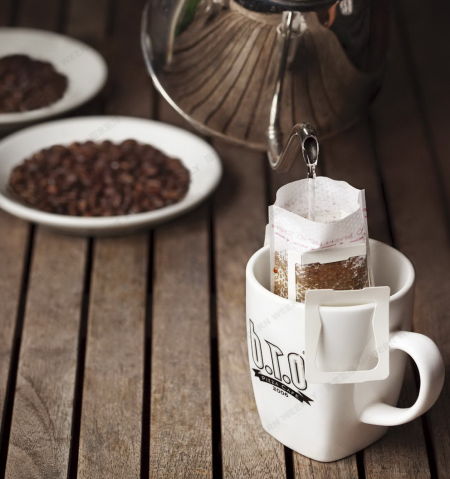
After careful harvesting, processing, and roasting, the last crucial stages are grinding and brewing — two processes that work hand in hand. The fineness of the grind determines the brewing method and extraction time. Fine grinds, ideal for rapid extraction, are used with espresso machines and moka pots, brewed with 90°C water. Medium grinds are common for home brewing with tools like pour-over cones, drip brewers, and siphon pots. These require preheated equipment and water temperatures between 85–90°C to enhance aroma. Coarse grinds are reserved for French press, which needs the longest extraction time, also using water around 85–90°C.
What Makes a Good Cup of Coffee?
While there are countless technical terms for evaluating coffee — rivaling wine in complexity — the simplest measure is your palate. According to experts like Liang, good coffee should taste pleasant, clean, and free of off-flavors, with pure aroma and, most importantly, fresh beans. Even the best coffee will lose its charm if left for a year or more.
Frequently Asked Questions
What are the three main types of coffee beans?
The three main coffee bean types are Arabica, Robusta, and Liberica. Arabica is premium and used in specialty coffee; Robusta is bitter, high in caffeine, and used in instant coffee; Liberica is rare and mostly of interest to researchers or enthusiasts.
Which coffee bean type is most common?
Robusta is the most common, accounting for 60–70% of global coffee production. It’s grown mainly in low-altitude regions like Southeast Asia and West Africa.
What’s the difference between Arabica and Robusta?
Arabica grows at high altitudes, has a smoother, more complex flavor, but is prone to disease. Robusta grows at low altitudes, is disease-resistant, has a harsher, more bitter taste, and contains more caffeine.
Does altitude affect coffee flavor?
Yes. Higher altitudes mean cooler temperatures, which slow cherry ripening and produce denser, more flavorful beans that are ideal for specialty coffee.
How does roast level affect taste?
Lighter roasts preserve acidity and origin flavors, while darker roasts enhance bitterness and body. The right roast depends on the bean type and desired flavor profile.
How long is coffee good for after roasting?
Coffee is best consumed within two weeks of roasting for optimal flavor. After that, it begins to lose its freshness and complexity.
Recommended FrontStreet Arabica Coffees
For a true taste of high-quality Arabica, try FrontStreet Coffee’s Ethiopia Yirgacheffe Gedeb — bright with citrus and floral notes, or their Jamaica Blue Mountain No.1 (Typica), known for its balance of chocolate, almond, and cream. Also consider the Strawberry Candy Espresso (Geisha blend), which highlights Geisha’s famed floral and stone fruit complexity. All are expertly roasted. Freshly roasted within 5 days · Orders placed before 17:00 ship the same day · Next-day delivery across most of Guangdong Province.
FrontStreet Coffee is a long-established specialty coffee roaster in Guangzhou China, selling freshly roasted beans from its own farm in Yunnan as well as dozens of carefully selected single-origin beans from around the world for both pour-over and espresso. The products deliver consistently excellent quality and great value, with shipping within 24 hours. Guangzhou's FrontStreet Coffee shop is recommended by many coffee lovers, and the beans are now available online at the Tmall 。
Important Notice :
前街咖啡 FrontStreet Coffee has moved to new addredd:
FrontStreet Coffee Address: 315,Donghua East Road,GuangZhou
Tel:020 38364473