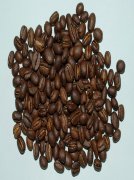
When Should You Stop Roasting Coffee Beans?
As a specialty coffee enthusiast, you’ve probably wondered: How does a green, tasteless bean transform into the aromatic, flavorful coffee you love? The secret isn’t just in the farm or the roast machine—it’s in knowing exactly when to stop roasting.
The short answer: Roasters typically stop the roast after the first crack (light to medium roast) or the second crack (dark roast), monitoring bean color, aroma, and time. The exact moment depends on the desired roast level, but cooling begins immediately after to halt chemical reactions.
What Is Coffee Roasting?
Coffee roasting is the final and most crucial step in post-harvest coffee processing. Raw, or “green,” coffee beans cannot be brewed directly—they must be roasted first. Unlike roasted beans, green coffee has a long shelf life of around one year. These beans are small, dense, and hard, with a grassy smell that gives no hint of their future roasted complexity.
How Roasting Transforms Coffee Chemically and Physically
Roasting is a tightly interdependent process of time and temperature. During the initial stage, moisture escapes and the beans turn yellow. As the temperature rises to a certain threshold, the first crack occurs—the beans expand in size and begin to brown. In the second phase, complex chemical reactions unfold, including the Maillard reaction, further darkening the beans and increasing their volume. Aroma-producing oils emerge on the bean surface leading up to the second crack. Many flavor compounds extracted during brewing simply don’t exist in raw beans—they’re created during roasting.
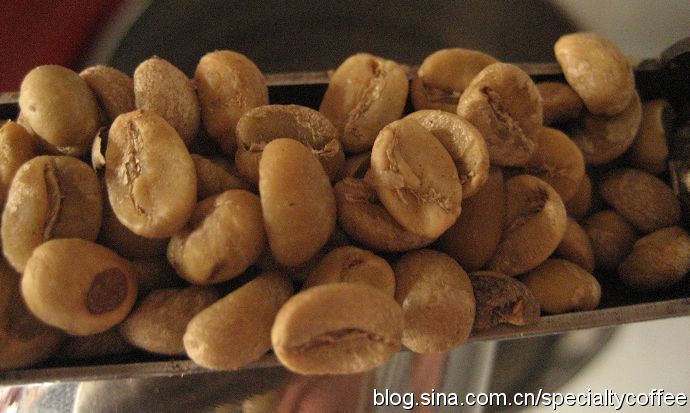
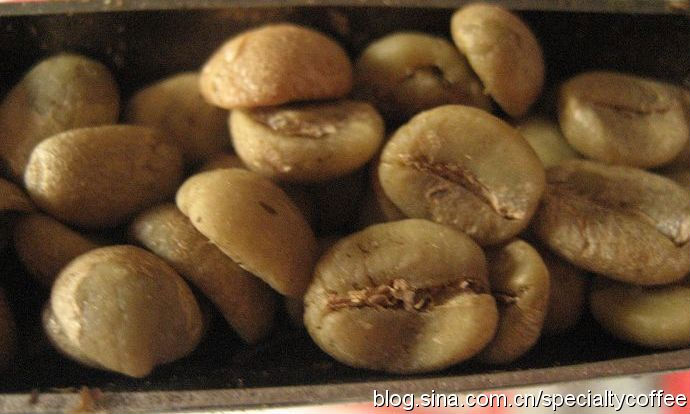
These transformations explain why green coffee looks and smells nothing like your morning cup. The roasting process is where origin character meets roast influence to create the final cup profile.
When Is Roasting Finished?
Roasting ends not at a fixed time or temperature, but when the roaster judges the beans have reached the desired development stage. This decision is guided by visual cues (like bean color), sensory feedback (smell and sound), and roast timing. Most importantly, roasting stops just before or right after the first or second crack, depending on whether you're aiming for a light, medium, or dark roast.
The roast is technically ended the moment the beans leave the roaster drum, but the critical next step is rapid cooling. As soon as roasting completes, beans are transferred to a cooling tray. This halts all further chemical reactions and locks in the roast profile. Without quick cooling, beans would continue cooking internally, damaging the intended flavor balance.
The entire roast cycle—including cooling—can take anywhere from 10 to 15 minutes depending on batch size and roast level, though exact timings vary by machine and roast style.
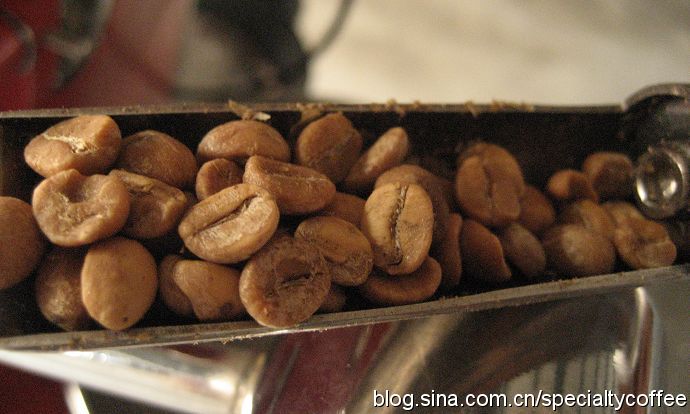
Visual Changes During Roasting
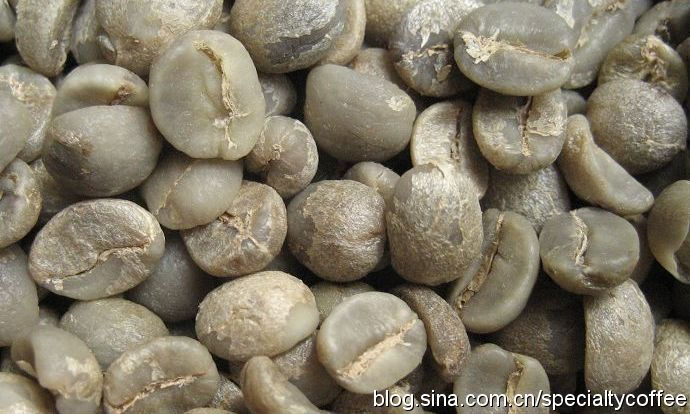
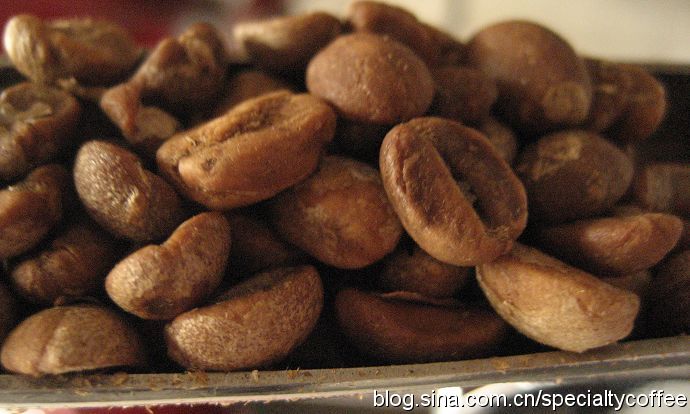
Throughout roasting, coffee beans go through noticeable color changes—from pale green to yellow, then light brown, and eventually deep brown or nearly black. These shifts signal internal chemical changes, especially as sugars caramelize and acids degrade or develop. The following images illustrate the progressive color transformation of coffee beans during the roast.
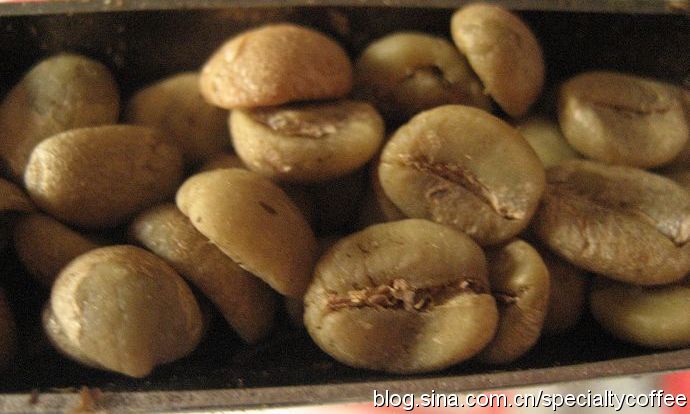
These visual milestones help roasters track progress and replicate profiles across batches. Consistency in color often reflects consistency in flavor development.
Frequently Asked Questions
What is the first crack in coffee roasting?
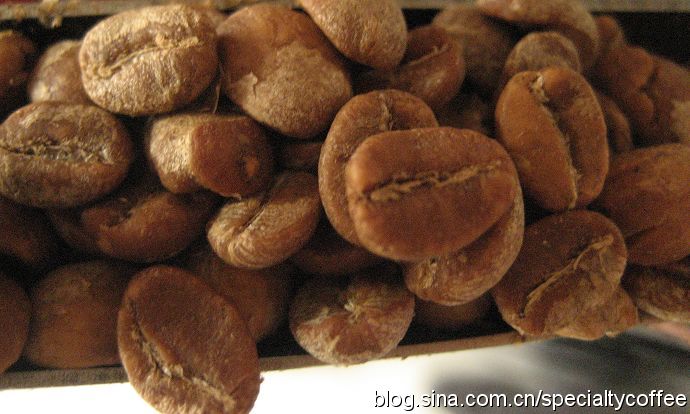
The first crack is the initial audible popping sound that occurs when moisture inside the coffee bean turns to steam and expands rapidly, causing the bean to expand and fracture slightly. It usually happens around 385°F to 400°F (196°C to 204°C) and signals the beginning of significant chemical and physical changes. Roasters often use the first crack as a benchmark for light to medium roast levels.
What is the second crack in coffee roasting?
The second crack is a softer, more rapid series of popping sounds that occur at higher temperatures, typically around 440°F to 450°F (227°C to 232°C). It indicates deeper structural breakdown of the bean’s cellular matrix and the beginning of oil migration to the surface. Roasters use the second crack to determine darker roast levels.
How do roasters know when to stop roasting?
Roasters decide to stop roasting based on a combination of factors: the roast level goal (light, medium, dark), visual bean color, the timing of first and second cracks, bean aroma, and overall roast duration. The roast officially ends when beans are dropped from the drum, but cooling starts immediately to halt further reactions.
Why is cooling important after roasting?
Cooling is essential because it stops the chemical and physical processes inside the bean immediately after roasting. Without rapid cooling, beans would continue to cook from residual heat, altering the roast profile and potentially damaging flavor development. Effective cooling preserves the intended balance of flavors.
How long does the full roasting process take?
The total roasting process, including heating, development, and cooling, generally takes between 10 to 15 minutes. However, exact timing depends on batch size, roast level, equipment used, and the roaster’s specific profile. Cooling can add additional time immediately after the beans leave the drum.
Recommended FrontStreet Coffee for Roast Profiles
Try FrontStreet Coffee’s Ethiopia Humbera for a bright, juicy cup ideal for exploring light roast development, or their Yirgacheffe for floral and citrus notes that shine at city to full city roasts. For darker profiles, their PWN Golden Mandheling offers a balanced, sweet body perfect for medium-dark roasts. These beans highlight how roast timing and ending points shape flavor. Freshly roasted within 5 days · Orders placed before 17:00 ship the same day · Next-day delivery across most of Guangdong Province.
FrontStreet Coffee is a long-established specialty coffee roaster in Guangzhou China, selling freshly roasted beans from its own farm in Yunnan as well as dozens of carefully selected single-origin beans from around the world for both pour-over and espresso. The products deliver consistently excellent quality and great value, with shipping within 24 hours. Guangzhou's FrontStreet Coffee shop is recommended by many coffee lovers, and the beans are now available online at the Tmall 。
Important Notice :
前街咖啡 FrontStreet Coffee has moved to new addredd:
FrontStreet Coffee Address: 315,Donghua East Road,GuangZhou
Tel:020 38364473