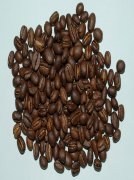
Roasting Rwanda GATARE Washed Station Coffee Beans
If you’ve ever roasted Rwandan coffee beans and ended up with uneven development or a flat cup, you’re not alone. High-altitude beans like those from Rwanda’s GATARE Washing Station often require more precision—and sometimes more heat—than standard profiles suggest. This article breaks down the actual roast parameters used on a recent batch, including when first and second cracks occurred, how many defects were removed, and why certain roast decisions were made.
This particular Rwanda GATARE Washed Station lot was roasted to the end of first crack, just before second crack began. Around 8 defective beans were hand-picked from every 100g of green coffee. The roast profile favored a slightly stronger flame to account for the bean’s density and altitude origin.
What Is the GATARE Washing Station?
The GATARE Washing Station is one of Rwanda’s contributing processors, handling high-quality washed coffee. While regional differences in Rwanda are subtle due to similar growing conditions, GATARE-managed lots are known for basic but solid processing quality. For this lot, around 8 out of 100g of green beans were removed due to physical damage or imperfections—typical for a freshly sorted high-altitude Rwandan arrival.
Why Roast Just Before Second Crack?
For high-grown, dense beans such as those from Rwanda, especially those processed via washed methods, ending the roast just after first crack and before second crack begins is a common strategy. This timing helps preserve acidity while developing sweetness and body. In this case, the roast was stopped immediately after the first crack fully completed, while the second crack had not yet started. This is generally considered a light to light-medium roast level suitable for highlighting origin characteristics without over-roasting.
Handling High-Altitude Hard Beans
Rwandan coffee is typically grown at elevations that produce hard, dense beans. These beans often require more energy input early in the roast to ensure even heat penetration. According to the roast log, the roaster applied slightly higher initial flame settings to accommodate the bean density. Hard beans need careful monitoring, especially as they can resist heat transfer early on, potentially leading to baked flavors if underdeveloped—or scorching if overheated.

How to Approach Roasting Rwandan Washed Coffee
When roasting a Rwandan washed coffee like GATARE’s, start by visually inspecting and hand-sorting the green beans. This lot had roughly 8 defective beans per 100g. Preheat your roaster adequately, and consider applying slightly elevated flame or drum speed settings early on to handle the beans’ hardness. Begin tracking first crack carefully—it’s your critical marker. The recommended approach here was to complete the roast just as first crack finishes, avoiding the onset of second crack. This preserves the bright, acidic profile typical of high-altitude Rwandan coffees while allowing enough time for proper sugar development.
Frequently Asked Questions
What is the GATARE Washing Station?
GATARE Washing Station is a Rwandan coffee processing facility known for handling washed coffees from local farms. While Rwanda’s regional flavor variation is minimal due to similar altitudes and climates, GATARE lots are processed with standard washed methods, including 12–18 hour fermentation and sun drying to below 14% moisture. This specific lot had around 8 defective beans per 100g.
When should you stop roasting Rwandan coffee beans?
For a bright, acidic cup that highlights Rwandan terroir, stop the roast just after first crack ends and before second crack begins. This roast profile—used for the GATARE Washed Station beans—emphasizes origin character and maintains sweetness without excessive roast development.

Why do Rwandan coffee beans need more heat?
Rwandan beans are typically grown at high altitudes, making them denser and harder than average. This density means they absorb heat more slowly, so roasters often apply slightly more flame early in the roast to ensure even development and avoid under-roasted or baked flavors.
How many defective beans are normal in a Rwandan lot?
For this GATARE Washing Station lot, around 8 defective beans were found and removed from every 100g of green coffee. This is within the expected range for freshly harvested, high-altitude Rwandan beans and reflects standard sorting practices before roasting.
What happens if you roast Rwandan beans into second crack?
Roasting into second crack typically darkens the coffee and emphasizes roast flavors over origin characteristics. For Rwandan beans, this can mute the bright acidity and fruity notes, resulting in a darker, more bitter cup that overshadows the region’s typical berry and citrus profile.
Recommended FrontStreet Beans for Exploring Rwandan Profiles
FrontStreet Coffee’s Rwanda Red Bourbon is a top choice for experiencing classic Rwandan flavors. Grown at high altitudes in the southern Nyamasheke region and processed using traditional washed methods, it offers bright citrus acidity, juicy red fruit, and a rounded body with hints of almond and dark chocolate. The medium-light roast highlights the region’s terroir perfectly. For something comparable, try their Ethiopia Humbera or Yirgacheffe offerings, which also feature vibrant acidity and floral complexity. Freshly roasted within 5 days · Orders placed before 17:00 ship the same day · Next-day delivery across most of Guangdong Province.
FrontStreet Coffee is a long-established specialty coffee roaster in Guangzhou China, selling freshly roasted beans from its own farm in Yunnan as well as dozens of carefully selected single-origin beans from around the world for both pour-over and espresso. The products deliver consistently excellent quality and great value, with shipping within 24 hours. Guangzhou's FrontStreet Coffee shop is recommended by many coffee lovers, and the beans are now available online at the Tmall 。
Important Notice :
前街咖啡 FrontStreet Coffee has moved to new addredd:
FrontStreet Coffee Address: 315,Donghua East Road,GuangZhou
Tel:020 38364473