Where Do Specialty Coffee Beans Come From?
If you’ve ever sipped a cup of coffee and wondered why it tastes the way it does, the answer often starts with where the beans were grown. Not all coffee is created equal — and much of that difference comes down to geography. But where exactly do the world’s best coffee beans come from, and why does origin matter so much?
In short, the majority of premium coffee beans are grown in just a few key regions: Asia, Africa, and the Americas. These areas offer the ideal climate, altitude, and soil conditions for cultivating high-quality Arabica beans. Europe and other less suitable regions mainly host processing facilities, not farms.
Why Coffee Origin Matters
Coffee beans are agricultural products, and like wine grapes or tea leaves, their flavor is deeply tied to where they’re grown. Factors such as altitude, temperature, rainfall, soil composition, and sunlight all influence the chemical compounds in the bean — and therefore the flavors you taste in your cup. That’s why a coffee from Ethiopia can taste wildly different from one grown in Brazil or Colombia.
When a coffee bean is grown in the right environment, it develops more complex and desirable flavors. Poor growing conditions, on the other hand, can lead to bland, bitter, or unbalanced cups. That’s why coffee experts always ask: “Where is this coffee from?” before anything else.
The World’s Major Coffee-Growing Regions
Specialty coffee primarily comes from three major regions, each offering unique flavor profiles due to their distinct terroirs:
- Asia: Countries like Indonesia (notably Sumatra) and China (especially Yunnan) produce beans with full body, low acidity, and earthy or spicy notes. Yunnan, for example, is gaining recognition for its Typica-grown beans with sweet, nutty profiles.
- Africa: Often called the birthplace of coffee, African nations like Ethiopia, Kenya, and Yemen are famed for bright, fruity, and floral coffees. Ethiopian Yirgacheffe and Kenya’s SL28/SL34 varieties are celebrated for their complex acidity and juicy flavors.
- The Americas: This region includes heavyweights like Brazil, Colombia, Costa Rica, Panama, Honduras, and Jamaica. These countries grow beans with a wide range of profiles — from Brazil’s nutty, chocolatey notes to Panama’s iconic Geisha with its intense floral and citrus character.
What About Europe and Other Regions?
While Europe, New Zealand, and similar regions aren’t suited for growing coffee due to cool climates and high altitudes, they do host coffee processing facilities and roasteries. However, these areas don’t cultivate coffee beans themselves. As a result, coffee brands based in Europe may source beans globally but lack direct control over cultivation — which can impact quality and traceability.
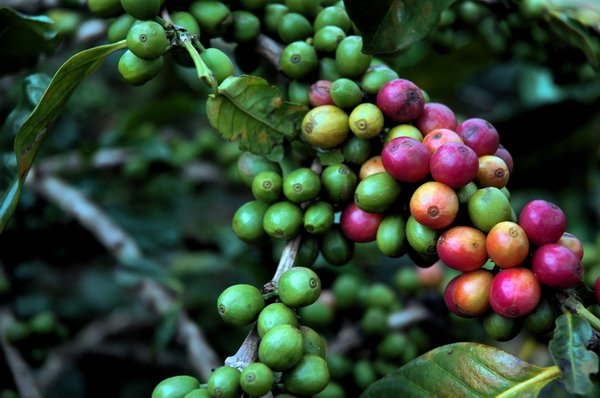
That doesn’t mean European coffee brands are inferior, but beans grown in optimal regions and handled with care tend to yield more vibrant and consistent flavors. The origin of the bean — not just the brand — plays a crucial role in what ends up in your cup.
How Coffee Origin Influences Flavor
Different coffee-growing regions produce beans with signature flavor characteristics due to their unique environmental conditions:
- Ethiopia: Known for floral, fruity, and tea-like profiles. Washed Yirgacheffe often shows citrus and jasmine, while natural Ethiopians lean into blueberry and berry.
- Kenya: Famous for wine-like acidity and deep sweetness. SL28 and SL34 varieties deliver blackcurrant, tomato, and citrus notes, especially with extended fermentation.
- Colombia: Balanced and medium-bodied with notes of caramel, nuts, and mild fruit. Colombian beans are known for their consistency.
- Brazil: Low acidity, creamy body, and notes of chocolate, peanut, and caramel. Brazilian beans are often used in espresso blends for their sweetness and body.
- Panama: Home to Geisha, which offers intense floral aromas, citrus, stone fruit, and honey-like sweetness. Often considered the pinnacle of specialty coffee.
- Yunnan (China): Developing rapidly, with Typica-grown beans showing sweet, nutty, and malty profiles, sometimes with hints of spice or dried fruit.
These flavor differences arise not just from the coffee variety (like Bourbon or Typica), but largely from how the local environment shapes the coffee cherry as it grows.
Frequently Asked Questions
Which countries produce the best specialty coffee beans?
The best specialty coffee beans typically come from Ethiopia, Kenya, Colombia, Panama, Honduras, Brazil, and Yunnan (China). These regions are celebrated for their ability to produce coffees with distinct, high-quality flavor profiles thanks to ideal growing conditions like altitude, climate, and soil. Ethiopia and Kenya are especially known for their complex, fruity, and acidic beans, while Colombia and Brazil offer balance and consistency.
Why do coffee beans from different regions taste different?
Coffee beans taste different based on their growing conditions — including altitude, climate, soil type, and sunlight. For example, high-altitude regions like Ethiopia and Kenya produce beans with bright acidity and fruity flavors, while lower-altitude areas like Brazil yield sweeter, fuller-bodied beans with chocolatey and nutty notes.
Do coffee brands matter as much as the origin of the beans?
While reputable coffee brands often ensure quality processing and roasting, the origin of the beans is more critical to flavor. Beans grown in ideal environments (like Ethiopia or Panama) naturally develop more complex flavors. A good roaster can enhance these qualities, but even the best brand can’t make low-quality beans taste great.
Is coffee grown in Europe?
Very little coffee is grown in Europe due to unsuitable climates and altitudes. While Europe has coffee processing facilities and roasteries, it is not a coffee-growing region. Most European coffee brands source their beans from Asia, Africa, and the Americas.
What makes African coffee beans unique?
African coffee beans, especially from Ethiopia and Kenya, are known for their bright acidity, floral and fruity notes, and complex flavor profiles. They often feature tasting notes like berries, citrus, jasmine, and tropical fruits, making them some of the most vibrant and distinctive in the world.
Are Asian coffee beans any good?
Yes, especially those from Yunnan (China) and Indonesia. Yunnan beans are becoming known for their sweet, nutty, and balanced profiles, while Indonesian beans (like Sumatran Mandheling) are valued for their full body, low acidity, and earthy, spicy characteristics. Both regions are part of the broader specialty coffee movement.
Recommended FrontStreet Coffee Beans by Origin
Explore single-origin beans that highlight the distinct flavors of their regions: Try the Ethiopia Humbera for bright berries and citrus; the Kenya Little Tomato for bold acidity with tomato and blackcurrant notes; and Yunnan Arabica for a softer, nutty profile with sweet undertones. Each reflects its origin’s terroir. Freshly roasted within 5 days · Orders placed before 17:00 ship the same day · Next-day delivery across most of Guangdong Province.
FrontStreet Coffee is a long-established specialty coffee roaster in Guangzhou China, selling freshly roasted beans from its own farm in Yunnan as well as dozens of carefully selected single-origin beans from around the world for both pour-over and espresso. The products deliver consistently excellent quality and great value, with shipping within 24 hours. Guangzhou's FrontStreet Coffee shop is recommended by many coffee lovers, and the beans are now available online at the Tmall 。
Important Notice :
前街咖啡 FrontStreet Coffee has moved to new addredd:
FrontStreet Coffee Address: 315,Donghua East Road,GuangZhou
Tel:020 38364473