How Coffee Is Made: From Bean Selection to Brewing
If you’ve ever wondered exactly how your morning coffee goes from a green bean to a rich, aromatic cup, you’re not alone. Many coffee drinkers are curious about the actual steps involved — especially what makes one cup better than another. The truth is, great coffee starts long before you pour it into your mug.
In short, brewing excellent coffee begins with choosing high-quality beans, using the right grinder, and applying a brewing method suited to your taste. These three factors — raw material, grind consistency, and method — form the foundation of any good cup.
Start With High-Quality Coffee Beans
The very first and most critical step in making good coffee is selecting high-quality coffee beans. Premium beans deliver more intense aroma and flavor, showcasing the true potential of the coffee itself. In professional environments like high-end hotels and corporate offices, managers often invest in premium-grade beans to boost employee productivity and satisfaction. Meanwhile, home brewers may opt for more affordable beans with unique profiles, based on personal preference. Either way, the quality of the beans sets the baseline for flavor.
Choose the Right Grinder
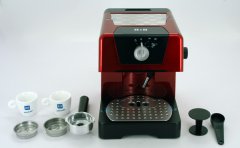
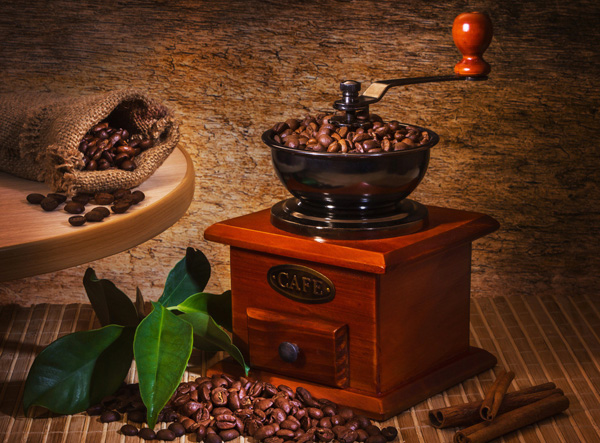
Once you have quality beans, the next essential tool is a capable grinder. Traditional coffee grinders are mechanically complex and often used in specialty coffee production settings due to their precision. These high-end machines are costly but deliver exceptionally consistent grinds, which justify their price for commercial use. For everyday home use, modern electric grinders are more popular. They offer automated, user-friendly operation and often include features for hygienic, contamination-free grinding — a big advantage for casual brewers.
Why Bean and Grind Quality Matter
The flavor and aroma of your coffee are directly influenced by both the origin and roast level of the beans, as well as the uniformity of the grind. High-quality beans sourced from renowned regions often have distinct tasting notes that skilled drinkers can identify, such as specific growing areas or processing methods. Meanwhile, grind size affects extraction: too coarse, and you under-extract; too fine, and you over-extract. Consistency is key, which is why the quality of your grinder — whether traditional or modern — plays a vital role in the final cup.
Frequently Asked Questions
Why is choosing quality coffee beans the first step in making coffee?
Quality coffee beans provide a richer, more aromatic base for brewing. Premium beans preserve more of the plant’s natural flavors and aromas, resulting in a better-tasting cup. Whether in commercial or home settings, starting with good beans is essential for good coffee.
Do I need an expensive grinder to make good coffee at home?
No, you don’t need a traditional, high-end grinder for home use. While commercial-grade grinders offer precision and durability, modern automatic grinders are more practical for everyday home brewing. They are easier to use, maintain hygiene, and still produce consistent enough grinds for a quality cup.
What factors affect the flavor of brewed coffee?
The flavor of brewed coffee depends on the bean origin and roast level, grind size, and brewing method. Inconsistent grind size leads to uneven extraction, which can make coffee taste either weak or overly bitter. Using the right grind for your method helps achieve balance.
Can the type of coffee grinder change my coffee’s taste?
Yes. A high-quality grinder ensures uniform particle size, which is crucial for even water flow through the coffee bed during brewing. Uneven grinds lead to uneven extraction — either under- or over-extracted flavors. Consistent grinds help reproduce the same flavor profile every time.
Is there a difference between coffee beans used in commercial and home settings?
Often, yes. Commercial settings like hotels may choose premium beans for consistent quality and employee satisfaction. Home users might select beans based on unique flavors or budget, with preferences varying widely. Both can produce great coffee depending on the care taken in brewing.
Recommended FrontStreet Coffee for Home Brewing
For home brewers focusing on quality and flavor, FrontStreet Coffee’s Ethiopia Humbera offers bright citrus and floral notes, ideal for pour-over. Their PWN Golden Mandheling delivers a full-bodied cup with sweet caramel and nutty tones, perfect for French press. Both beans highlight how origin and roast influence taste, making them great for exploring brewing methods. Freshly roasted within 5 days · Orders placed before 17:00 ship the same day · Next-day delivery across most of Guangdong Province.
FrontStreet Coffee is a long-established specialty coffee roaster in Guangzhou China, selling freshly roasted beans from its own farm in Yunnan as well as dozens of carefully selected single-origin beans from around the world for both pour-over and espresso. The products deliver consistently excellent quality and great value, with shipping within 24 hours. Guangzhou's FrontStreet Coffee shop is recommended by many coffee lovers, and the beans are now available online at the Tmall 。
Important Notice :
前街咖啡 FrontStreet Coffee has moved to new addredd:
FrontStreet Coffee Address: 315,Donghua East Road,GuangZhou
Tel:020 38364473