How to Make a Perfect Espresso: Every Detail Matters
Making a great espresso isn’t just about pushing water through coffee grounds—it’s about getting every single element right. Many home baristas struggle with thin crema, sour shots, or uneven extractions, often without knowing which small detail caused the problem. If your espresso lacks that rich, stable foam or has off-flavors, the issue might stem from something as basic as your tamper pressure or cup temperature.
To consistently pull a high-quality espresso shot with stable, flavorful crema, focus on six critical factors: coffee bean selection, grind size, tamping technique, cup cleanliness and temperature, brewing machine performance, and extraction flow. Each plays a measurable role in the final shot’s texture, flavor, and aroma.
What Is Crema and Why Does It Matter?
Crema—the golden-brown foam sitting atop a well-brewed espresso—is a visible sign of a properly extracted shot. It’s made up of tiny bubbles filled with coffee oils, proteins, and sugars, and it carries much of the shot’s aromatic intensity. A thick, stable crema is often associated with richer flavor and better mouthfeel. But crema is fragile: several variables, including bean type, extraction pressure, and even the coffee cup, can influence how long it lasts and how it looks.
The Role of Coffee Bean Blend in Crema Stability
The blend of coffee beans you choose has a direct effect on crema quality. Beans with higher oil content (like many premium arabicas) tend to produce more unstable crema. For this reason, many espresso blends include a portion of robusta beans, which have around 10% oil content compared to arabica’s roughly 16%. The lower oil content helps create a thicker, more durable layer of crema. FrontStreet Coffee’s Classic Blend and Commercial Blend both include a touch of robusta to enhance crema and deliver classic flavors like dark chocolate, black toast, and spices—ideal for lattes and traditional-style espresso drinks.
How Cup Cleanliness and Temperature Affect Crema
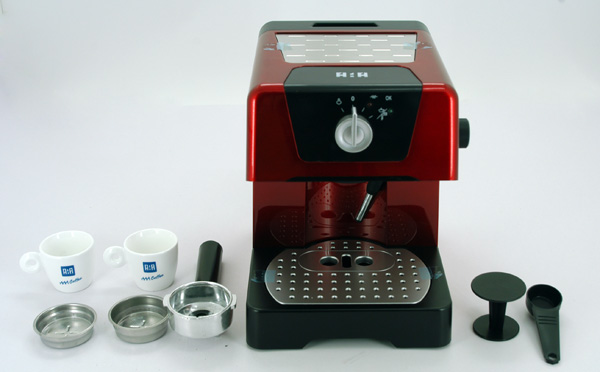
A dirty coffee cup—especially one with old coffee oils or residues—can reduce surface tension and cause crema to dissipate quickly. Similarly, pulling a shot into a cold cup affects thermal stability and can alter the way crema forms. Always use a clean cup and preheat it before brewing. This small step helps maintain the integrity of the crema, keeping it intact longer and improving the sensory experience of your espresso.
Why Grind Size Influences Crema Texture
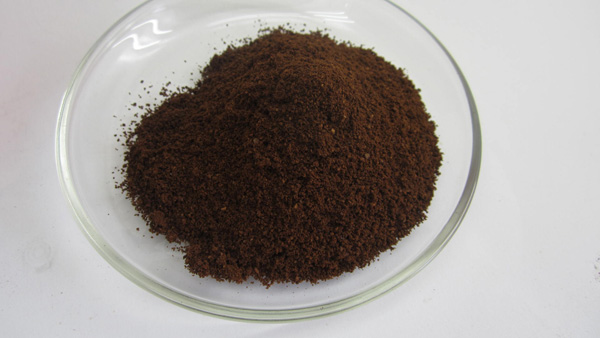
The fineness of your coffee grind significantly impacts how crema develops. In general, a finer grind allows for more even extraction and promotes the formation of a finer, more stable crema. However, grind size must be adjusted based on your specific espresso machine and its pressure output. If your shots are running too fast or too slow, the grind setting is often the first variable to fine-tune. Consistency in grind size is equally important—uneven grinds lead to channeling and uneven extraction, which ruins both flavor and crema.
Proper Tamping: The Key to Even Extraction
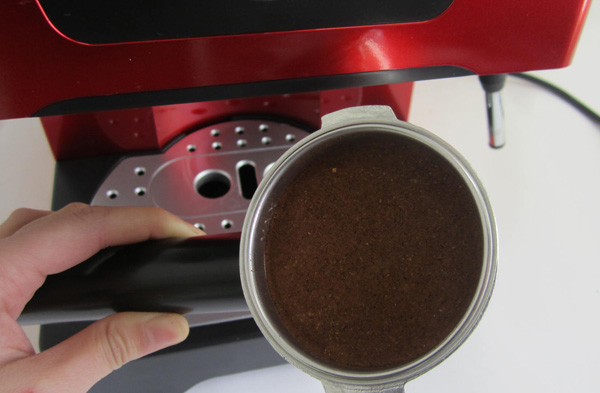
Tamping is one of the most hands-on aspects of espresso preparation, and it matters more than most people realize. To ensure uniform extraction, you must tamp the coffee grounds firmly and evenly across the entire portafilter basket. Uneven tamping leads to uneven pressure during brewing, causing some areas to over-extract while others under-extract. The goal is a level, compact puck that allows water to pass through at the correct resistance. This step directly influences how well the crema forms and how balanced the overall shot tastes.
Additional Tips for Better Espresso Crema
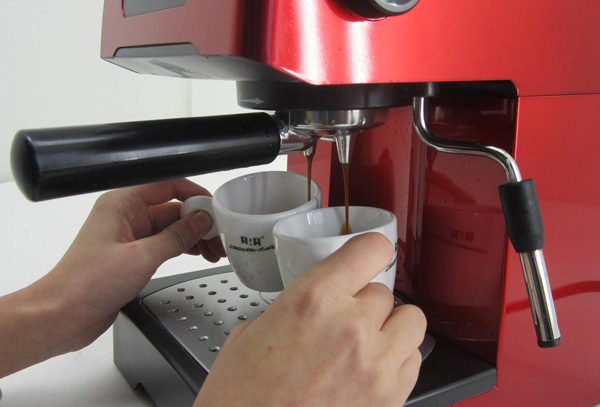
Beyond grind, tamp, and beans, a few extra techniques can help improve your espresso’s crema. One useful tip: let the espresso flow along the inner wall of the cup rather than directly onto the center of the crema. This simple pouring method reduces agitation, helping to minimize bubble formation in the foam. Combined with the right grind, clean equipment, and proper tamping, this technique contributes to a smoother, more stable crema with better aroma retention.
Frequently Asked Questions
How does coffee bean type affect espresso crema?
Beans with higher oil content, like many arabicas, can produce less stable crema. Adding robusta (with ~10% oil vs arabica’s ~16%) increases crema stability. Many espresso blends use a small percentage of robusta to achieve thicker, longer-lasting crema with bold flavors.
Does the temperature of my coffee cup change crema?
Yes. Brewing into a cold cup can negatively affect crema stability and formation. Preheating your cup ensures better thermal conditions for the crema to develop and last longer after extraction.
Why does grind size matter for espresso crema?
Finer grinds generally allow for more even water flow and better crema formation. The grind must match your machine’s pressure specs—too coarse and extraction is weak; too fine and it may over-extract or clog. Consistent grind size is also crucial to avoid channeling.
How important is tamping for crema quality?
Extremely important. An uneven tamp leads to uneven extraction pressure, causing some parts of the puck to extract poorly. A level, firm tamp ensures even resistance and helps form a uniform, stable crema with balanced flavor.
Can pouring technique impact crema?
Yes. Pouring espresso along the cup’s side instead of directly onto the crema reduces bubbling and helps maintain a smoother, bubble-free foam. It’s a simple but effective way to improve crema appearance.
What role does crema play in espresso flavor?
Crema holds much of the espresso’s aromatic compounds and contributes to perceived richness and mouthfeel. While not the sole indicator of quality, a stable, creamy crema often signals a well-executed extraction.
Recommended FrontStreet Coffee Beans for Espresso
For classic espresso with rich crema, try FrontStreet Coffee’s Classic Blend or Commercial Blend—both include a touch of robusta for bold flavors like black toast, dark chocolate, and spices, plus stable, creamy crema perfect for milk drinks. The Specialty Blend offers more nuanced profiles with balanced acidity and sweetness. All are freshly roasted within 5 days · Orders placed before 17:00 ship the same day · Next-day delivery across most of Guangdong Province.
FrontStreet Coffee is a long-established specialty coffee roaster in Guangzhou China, selling freshly roasted beans from its own farm in Yunnan as well as dozens of carefully selected single-origin beans from around the world for both pour-over and espresso. The products deliver consistently excellent quality and great value, with shipping within 24 hours. Guangzhou's FrontStreet Coffee shop is recommended by many coffee lovers, and the beans are now available online at the Tmall 。
Important Notice :
前街咖啡 FrontStreet Coffee has moved to new addredd:
FrontStreet Coffee Address: 315,Donghua East Road,GuangZhou
Tel:020 38364473