Historical Coffee Bans Around the World
Ever wondered why your morning coffee wasn’t always legal? Throughout history, coffee has been banned, condemned, and even used in bizarre medical experiments—despite being the world’s most popular stimulant today. These restrictions weren’t random: they reveal how societies once viewed caffeine with deep suspicion.
In total, five major historical cases saw coffee outlawed—in Mecca, Italy, the Ottoman Empire, Sweden, and Persia—often due to fears of rebellion, religious disrespect, or foreign influence. Some rulers even tested coffee’s lethality on prisoners.
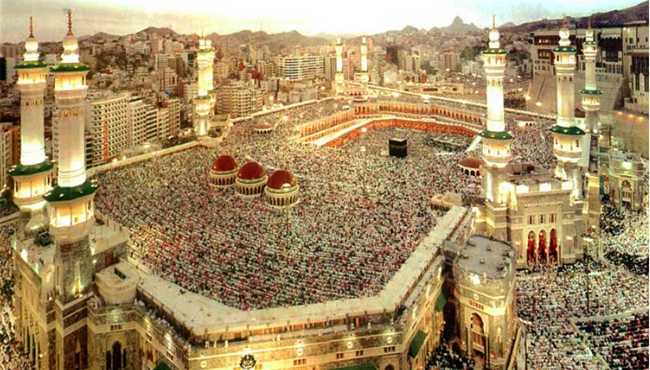
1. Mecca’s 1511 Coffee Ban
In 1511, the governor of Mecca (modern-day Saudi Arabia) issued one of the first recorded coffee bans. Authorities claimed coffee stirred unrest, distracted worshippers, and encouraged radical behavior. Local religious leaders also objected because members of the Sufi order drank coffee before prayers, which they argued led to a lack of spiritual focus—a form of blasphemy.
2. Italy’s Early Resistance to Coffee
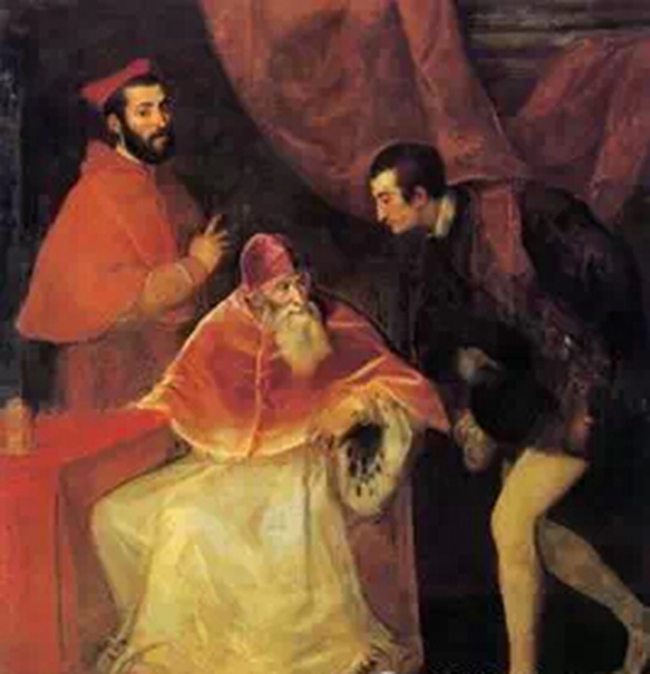
When coffee arrived in Europe in the 16th century, many countries, including Italy, tried to ban it, viewing the drink as demonic. The turning point came when Pope Clement VIII tasted coffee himself around 1600. After trying it, he declared coffee a Christian beverage, paving the way for coffeehouses to flourish across Europe. Without his endorsement, coffee might have remained marginalized.
3. Murad IV’s Harsh Coffee Laws in the Ottoman Empire
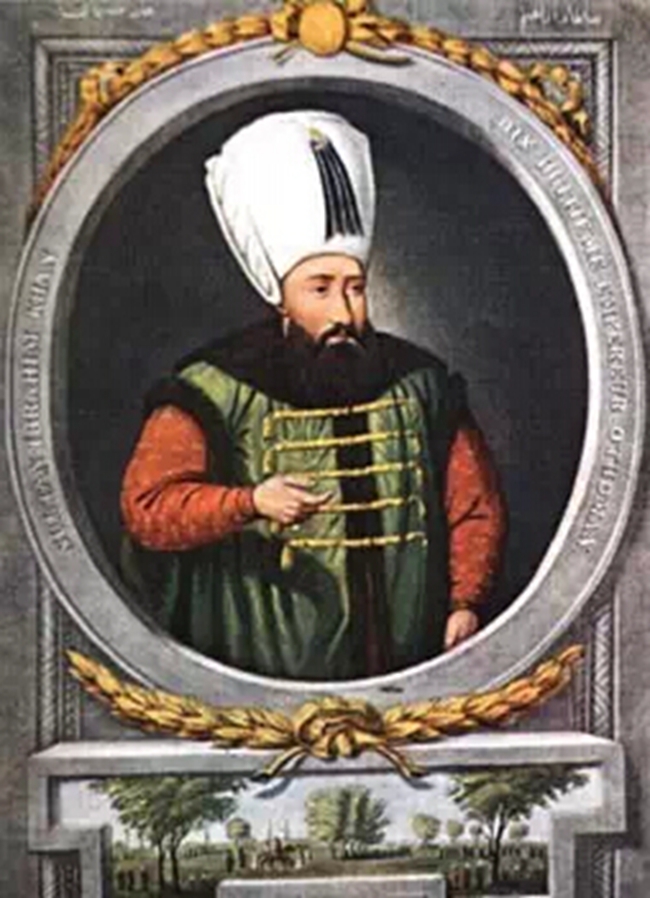
In 1623, Sultan Murad IV of the Ottoman Empire (modern-day Turkey) banned coffee entirely after ascending the throne. First-time offenders were whipped, and repeat offenders faced a grim fate: they were sewn into a leather sack and thrown into the Bosphorus Strait. The ban reflected broader anxieties about public order and the role of coffeehouses as centers of political discussion.
4. Sweden’s Bizarre Coffee Experiments
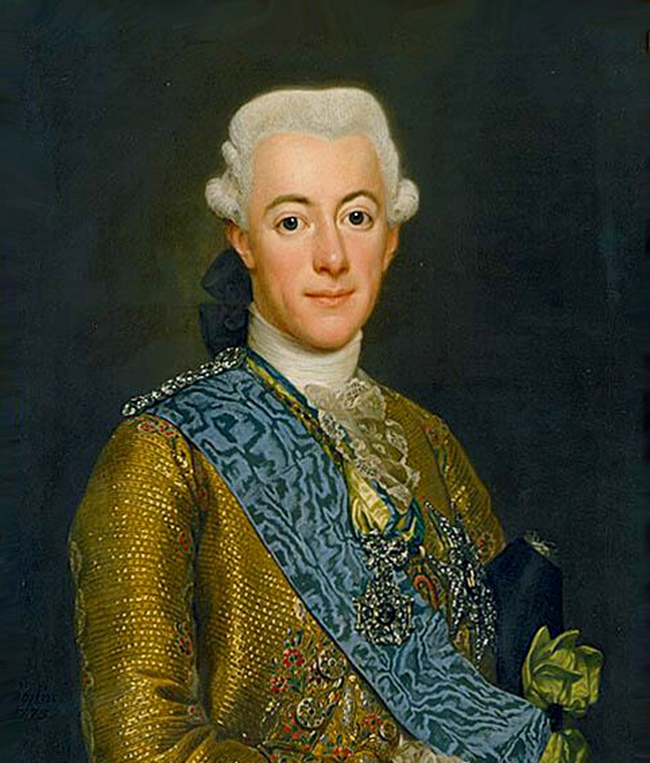
In 1746, King Gustav III of Sweden prohibited coffee and banned all coffee-related utensils, including cups and saucers. He even ordered doctors to conduct fatal experiments on prisoners to determine how much coffee could kill someone instantly. Rather than harming inmates, the tests became a form of torture for the physicians involved.
5. Persia’s Preference for Beer Over Coffee
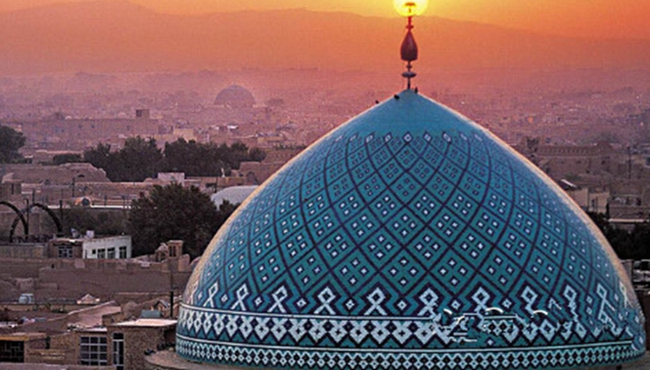
In 1777, Frederick, ruler of Persia (modern-day Iran), publicly stated that beer was better than coffee. He believed excessive coffee consumption hurt local beer sales and urged citizens to start each day with beer instead, famously claiming, “Your monarch grew up drinking beer!” His decree reflected efforts to boost beer consumption over coffee.
Why Were These Bans Imposed?
Most historical coffee bans stemmed from a mix of religious conservatism, political fear, and social control. Coffeehouses were seen as hotbeds of dissent, while coffee itself was often viewed as a foreign, intoxicating substance. Rulers worried it disrupted order, challenged authority, or promoted immoral behavior. Religion, politics, and public health concerns all played roles in these restrictive policies.
Frequently Asked Questions
Was coffee ever actually illegal in Europe?
Yes, particularly in early 17th-century Italy and other parts of Europe, where coffee was sometimes banned as a “demonic” drink. The bans were driven by religious authorities who thought coffee was unhealthy or morally corrupting. Pope Clement VIII’s intervention helped overturn these early prohibitions in Catholic regions.
What happened to coffee drinkers in Mecca in 1511?
Coffee drinkers in Mecca were banned from consuming the beverage under a 1511 decree by the city’s governor. Religious and political leaders believed coffee led to unrest, distracted from worship, and encouraged radicalism. Violators faced penalties, contributing to one of the earliest recorded coffee prohibitions.
Why did King Gustav III of Sweden test coffee on prisoners?
King Gustav III wanted to prove coffee was deadly. In 1746, he banned coffee and ordered doctors to conduct experiments on prisoners to see how much coffee would cause sudden death. The experiments were bizarre and ultimately futile, becoming more of a punishment for the doctors than the inmates.
How did coffee overcome its banned status in so many places?
In many cases, coffee gained acceptance through powerful endorsements—most notably by Pope Clement VIII, who declared it acceptable for Christians. Social adoption, the rise of coffeehouses, and changing political climates also contributed to lifting bans over time.
Did any of these bans permanently stop coffee consumption?
No. Despite harsh penalties, people continued to drink coffee in secret. Over time, the cultural and economic value of coffee outweighed the fears of authorities, leading to the eventual lifting of all major historical bans.
FrontStreet Coffee Picks for History Lovers
Revisit coffee’s turbulent past with FrontStreet’s Ethiopia Humbera, a bright floral single origin with notes of bergamot and stone fruit—perfect for reflecting on Mecca’s 16th-century ban. Pair it with Yirgacheffe, offering juicy lemon and jasmine, a nod to early European resistance. For something deeper, try Brazil Queen Manor with its chocolatey sweetness, echoing the Ottoman Empire’s complex relationship with caffeine. Freshly roasted within 5 days · Orders placed before 17:00 ship the same day · Next-day delivery across most of Guangdong Province.
FrontStreet Coffee is a long-established specialty coffee roaster in Guangzhou China, selling freshly roasted beans from its own farm in Yunnan as well as dozens of carefully selected single-origin beans from around the world for both pour-over and espresso. The products deliver consistently excellent quality and great value, with shipping within 24 hours. Guangzhou's FrontStreet Coffee shop is recommended by many coffee lovers, and the beans are now available online at the Tmall 。
Important Notice :
前街咖啡 FrontStreet Coffee has moved to new addredd:
FrontStreet Coffee Address: 315,Donghua East Road,GuangZhou
Tel:020 38364473