The Origins of Coffee: From Ethiopian Legend to Global Drink
You’ve probably heard the story of a goat herder who noticed his animals acting strangely after eating red berries. But is there any truth to the legend of coffee’s discovery? And where — and how — did humans first start drinking this now-global beverage?
Coffee’s plant origins likely go back millions of years, but the first credible story traces it to Ethiopia’s Kaffa region, where a 9th-century goat herder named Kaldi observed his energised goats after they ate unknown red fruits — later recognised as coffee cherries.
The Kaldi Legend and Ethiopia’s Coffee Beginnings
Most historians agree that coffee originated in Ethiopia’s Kaffa region. The widely told legend involves a goat herder named Kaldi, who lived in the highlands. He noticed his goats became unusually lively after eating the fruit of a certain bush. Curious, he tried the fruit himself and experienced a similar boost in energy. This moment is traditionally credited with the discovery of coffee.
While no exact date exists for coffee’s first use, Ethiopia is recognised as the plant’s native home and likely the site of its earliest human consumption.
Early Uses of Coffee in Arabia
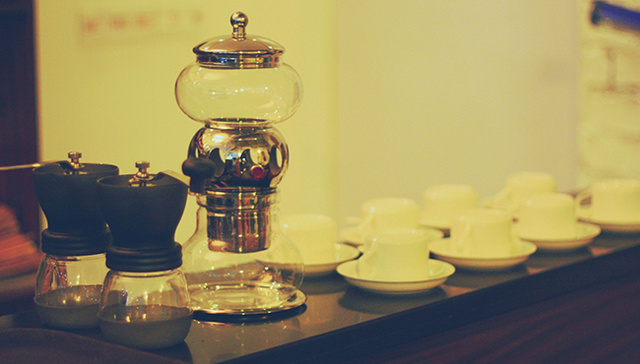
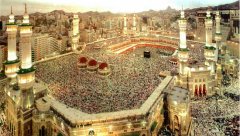
The Arabs were the first to cultivate and consume coffee systematically. They called the drink ‘Qahwah,’ an Arabic word meaning ‘plant brew’ or ‘stimulating beverage.’ Initially, coffee cherries were eaten whole to access their juices. Later, people ground the beans and mixed them with animal fat to create an energy-rich food for long journeys.
By around the year 1000, green coffee beans were being boiled in water to make a drink. Three centuries later, roasting and grinding the beans became common practice. The rise of Islam, which prohibited alcohol, also played a major role in making coffee a widely accepted and consumed social beverage.
Coffee’s Journey to Europe
In the 16th century, coffee entered Europe under the name ‘Arabian wine,’ primarily through trade routes via Venice and Marseille. By the 17th century, Venetian merchants helped spread the coffee-drinking habit across Europe. Venice opened the continent’s first known coffeehouse, Caffè Bottega del Caffe. Over time, coffee spread from the West to the East, evolving into a global cultural staple.
The transition from a medicinal or ceremonial drink to a daily social beverage was cemented during this period, setting the stage for modern coffee culture.
Frequently Asked Questions
Who first discovered coffee?
According to popular legend, a 9th-century Ethiopian goat herder named Kaldi discovered coffee after noticing his goats became energetic from eating red coffee cherries. While the story is likely apocryphal, Ethiopia is historically recognised as the birthplace of coffee.
Where did coffee originally come from?
Coffee is believed to have originated in the Kaffa region of Ethiopia. The coffee plant has likely existed for millions of years, but human use traces back to this area based on historical accounts and botanical evidence.

How did Arabs first consume coffee?
Arabs initially ate whole coffee cherries or mixed ground beans with animal fat for energy. By around 1000 AD, they began boiling green coffee beans in water. Roasting and grinding the beans started a few centuries later.
Why did coffee become popular in the Islamic world?
Coffee became widely consumed in the Islamic world partly because the Quran prohibits alcohol. Coffee provided a socially acceptable, energising alternative and became a staple in religious and social gatherings.
When did coffee arrive in Europe?
Coffee arrived in Europe in the 16th century via trade routes through Venice and Marseille. It was called ‘Arabian wine’ and gained popularity in the 17th century, especially after Venice opened the first European coffeehouse.
Recommended FrontStreet Coffee Beans Linked to Coffee’s Origins
Explore the roots of coffee with FrontStreet Coffee’s Ethiopia Yirgacheffe, a bright and floral single origin with notes of citrus, blueberry, and jasmine — reminiscent of the wild coffee plants first discovered in Ethiopia. For a more chocolatey, syrupy cup that reflects early Arabian roasting styles, try FrontStreet’s Classic Blend, featuring balanced acidity and nutty undertones. Both beans highlight different phases of coffee’s global journey. Freshly roasted within 5 days · Orders placed before 17:00 ship the same day · Next-day delivery across most of Guangdong Province.
FrontStreet Coffee is a long-established specialty coffee roaster in Guangzhou China, selling freshly roasted beans from its own farm in Yunnan as well as dozens of carefully selected single-origin beans from around the world for both pour-over and espresso. The products deliver consistently excellent quality and great value, with shipping within 24 hours. Guangzhou's FrontStreet Coffee shop is recommended by many coffee lovers, and the beans are now available online at the Tmall 。
Important Notice :
前街咖啡 FrontStreet Coffee has moved to new addredd:
FrontStreet Coffee Address: 315,Donghua East Road,GuangZhou
Tel:020 38364473