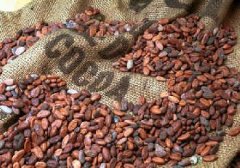
Mavis Bank Central Factory: Jamaica’s Historic Coffee Mill
When you pay a premium for Jamaica Blue Mountain coffee, you’re not just buying a cup—you’re buying into over a century of tradition, elevation-specific farming, and meticulous processing. But where does that coffee actually get processed, and how did one mill come to define an entire origin? The answer lies in the Mavis Bank Central Factory, a historic coffee mill that’s been at the heart of Jamaican Blue Mountain production since the early 20th century.
The Mavis Bank Central Factory, founded in 1923 on just 5 acres, remains one of Jamaica’s key coffee processing hubs, sourcing beans from altitudes between 2,000 and 5,550 feet and handling an average of 4,000 to 6,000 barrels of Blue Mountain coffee annually.
The Origins of Mavis Bank
The story of Mavis Bank begins with Mr. Cecil Victor Munn, a British immigrant who started coffee farming in the Blue Mountains in 1885. Originally cultivating coffee on the slopes of St. Thomas (likely a reference to the St. Thomas Parish area near Blue Mountain foothills), Munn’s son later moved operations to the better-situated Mavis estate, which enjoys superior sunlight compared to the original plot. While coffee is now easily transported from Mavis to Kingston by road, the early days relied on donkeys to carry the beans.
Where Mavis Bank Sources Its Coffee
The Mavis Bank Central Factory is strategically located near the Blue Mountain’s St. Thomas Parish area, approximately 700 meters from the Blue Mountain’s main ridge. The factory sources its coffee cherries from farms spread across a wide elevation range—between 2,000 feet (approximately 610 meters) and 5,550 feet (roughly 1,690 meters). This elevation variation plays a critical role in the flavor profile and quality grading of the final Blue Mountain coffee lots.

Harvest Seasons and Production Volume
Coffee at Mavis Bank is harvested during two main periods each year: from October to early December, and again from February to April. These seasonal windows align with Jamaica’s rainy and dry cycles, ensuring optimal ripening conditions. The factory processes three primary grades of Blue Mountain coffee: Blue Mountain No.1, No.2, No.3, and Peaberry (PB). Annually, the mill exports an average of 5,300 barrels of these grades, with historical highs of 6,000 barrels and lows around 4,000 barrels. Since 1953, Blue Mountain coffee has been regularly exported to Japan, marking one of the longest-standing specialty coffee trade relationships in the world.
What Is Mavis Bank Central Factory?
The Mavis Bank Central Factory is a centralized coffee processing facility in Jamaica’s Blue Mountain region. Unlike a single estate, it acts as a hub where smallholder farmers deliver their freshly picked coffee cherries. The factory then processes, sorts, and grades the beans according to strict Jamaican Coffee Industry Board standards. It’s particularly known for producing Jamaica Blue Mountain No.1, No.2, No.3, and Peaberry (PB) grades. Founded in 1923 by Mr. Cecil Victor Munn on a modest 5-acre plot, the factory has grown into a cornerstone of Jamaica’s coffee export industry.
Why Does Elevation Matter at Mavis Bank?

Elevation is one of the most critical factors influencing the quality and classification of Blue Mountain coffee. The Mavis Bank factory sources cherries from farms situated between 2,000 and 5,550 feet above sea level. In the Blue Mountain region, higher elevations typically produce slower-maturing coffee cherries with greater density and more complex flavor potential. These altitude-specific lots are sorted and graded to meet the strict criteria for Blue Mountain No.1 (the highest grade), No.2, No.3, and Peaberry. The wide range of elevations (from 2,000 to over 5,000 feet) allows Mavis Bank to offer a diverse selection of Blue Mountain profiles while maintaining consistency in quality control.
How Has Production Changed Over Time?
Since its founding in 1923, Mavis Bank has transformed from a small-scale operation on 5 acres to a major processor handling thousands of coffee barrels each year. Early transportation relied on donkeys—a stark contrast to today’s road networks linking Mavis to Kingston. Throughout the decades, the factory has consistently processed Blue Mountain coffee, adapting to changes in infrastructure, global demand, and quality standards. Notably, export volumes have fluctuated between a minimum of 4,000 barrels and a peak of 6,000 barrels annually, with the average hovering around 5,300 barrels. The factory’s long-term role in exporting to Japan since 1953 highlights its importance in shaping international perceptions of Blue Mountain coffee.
Frequently Asked Questions
Where is the Mavis Bank Central Factory located?

The Mavis Bank Central Factory is located in Jamaica’s Blue Mountain region, approximately 700 meters from the main Blue Mountain ridge, near St. Thomas Parish. It sits within the altitude zone that produces Jamaica’s most renowned coffee.
What coffee grades does Mavis Bank produce?
Mavis Bank processes and exports Jamaica Blue Mountain No.1, No.2, No.3, and Peaberry (PB) grades. These are the official classifications under the Jamaica Coffee Industry Board system, each with specific bean size, defect, and cup quality criteria.
When is coffee harvested at Mavis Bank?
Coffee is harvested twice a year at Mavis Bank: from October to early December, and again from February to April. These periods align with optimal ripening conditions in the Blue Mountain region.

How much coffee does Mavis Bank export annually?
Mavis Bank exports an average of 5,300 barrels of Blue Mountain coffee per year, with historical highs of 6,000 barrels and lows around 4,000 barrels. These barrels represent processed and graded lots ready for international markets.
How has coffee transportation changed at Mavis Bank?
In the early days, coffee was transported by donkey from Mavis to Kingston. Today, the factory benefits from efficient road networks, allowing for faster and more reliable delivery of processed coffee to export hubs.
Why is elevation important for Blue Mountain coffee?
Elevation affects coffee cherry maturity, bean density, and flavor development. Mavis Bank sources from farms between 2,000 and 5,550 feet, with higher altitudes generally producing denser, more complex beans that qualify for higher Blue Mountain grades.
Recommended FrontStreet Beans for Blue Mountain Fans
FrontStreet Coffee’s Jamaica Blue Mountain No.1 offers the classic profile you’d expect from Mavis Bank-processed beans: balanced acidity, creamy body, and notes of nuts, caramel, and mild citrus. For those curious about the broader Blue Mountain region, FrontStreet also stocks certified Blue Mountain lots that highlight the same meticulous processing and elevation-driven complexity. These beans are ideal for exploring why Blue Mountain coffee commands such a revered spot in specialty coffee. Freshly roasted within 5 days · Orders placed before 17:00 ship the same day · Next-day delivery across most of Guangdong Province.
FrontStreet Coffee is a long-established specialty coffee roaster in Guangzhou China, selling freshly roasted beans from its own farm in Yunnan as well as dozens of carefully selected single-origin beans from around the world for both pour-over and espresso. The products deliver consistently excellent quality and great value, with shipping within 24 hours. Guangzhou's FrontStreet Coffee shop is recommended by many coffee lovers, and the beans are now available online at the Tmall 。
Important Notice :
前街咖啡 FrontStreet Coffee has moved to new addredd:
FrontStreet Coffee Address: 315,Donghua East Road,GuangZhou
Tel:020 38364473