How to Use Sound to Judge Coffee Roast Level
Ever picked up a handful of raw coffee beans and recoiled from the sharp, earthy stench? That’s not a defect—it’s just the smell of unroasted green coffee. But when those same beans undergo proper roasting, something magical happens: they release some of the richest aromas found in food.
The answer lies in listening. Roasters use two key auditory cues—the first and second cracks—to pinpoint the coffee’s roast stage. These sounds signal internal chemical changes and help determine when your roast has reached light, medium, or dark levels.
What’s Really Inside a Coffee Bean?
A single high-altitude Arabica coffee bean is a chemical treasure chest. Scientists have identified over 2,000 compounds inside it, including 700 to 850 aromatic molecules—far more than in vanilla (150) or wine. These compounds don’t magically appear when you brew; they need heat to develop.
The Roasting Process: More Than Just Heat

When coffee beans enter the roaster, a complex transformation begins. At around 200°C (392°F), moisture evaporates, the beans expand by 60% and lose 10–25% of their weight depending on roast depth. Heavier roasts lose more mass, which is why some commercial roasters avoid them—it cuts costs but also complexity.
Simultaneously, carbon dioxide builds up inside the bean. This gas continues escaping for up to 30 days post-roast, forming a natural barrier against oxygen and slowing flavor degradation. But after seven days, CO₂ output slows dramatically, leaving beans vulnerable to oxidation—another reason to consume them quickly once opened.
Cracking Open the Truth: Listening to Roast Development
Roasting isn’t just about timing and temperature—it’s also about sound. As heat increases, coffee beans emit two distinct cracking noises, known as “first crack” and “second crack.” These are your most reliable indicators of roast progression.
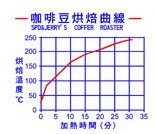
Take a heat-resistant variety like Mandheling or Antigua. Around the seven-minute mark, at roughly 195–205°C (383–401°F), you’ll hear the first crack: a low, scattered popping sound. This signals the start of pyrolysis, where starches convert to sugars, moisture escapes as steam, and aromatic compounds begin forming. The first crack lasts about two minutes, then subsides.
At around the twelve-minute mark, as the roast deepens, a second, more intense and sharper cracking occurs. This is the second crack, caused by the actual rupture of the bean’s cell structure. It typically happens at higher temperatures (around 220–230°C / 428–446°F) and marks the threshold between medium-dark and dark roasts.
Experienced roasters aim to finish the roast somewhere between the end of the first crack and the beginning or middle of the second crack. Go too far past the second crack, and you risk burning off desirable aromatics while producing excessive carbonized, bitter flavors. The beans darken further, exude oils, and may start releasing acrid smoke—a clear sign you’re approaching combustion.
Visual cues back up these sounds. Beans progress from grey to golden yellow, then light brown, followed by a glossy light brown (first signs of oil), deeper oily brown, and eventually—if over-roasted—a dry, blackened surface with blue smoke and a burnt smell. That’s your cue to stop roasting—or call the fire department.
Why Roast Profile Matters
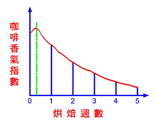
The goal of roasting is to maximize caramelization (Maillard reactions and sugar development) while minimizing carbonization. The first crack initiates these reactions, unlocking sweetness, acidity, and body. But prolonged exposure to heat leads to unwanted charring, which obscures the bean’s inherent qualities. Striking that balance is the roaster’s biggest challenge—and listening is a critical part of getting it right.
Frequently Asked Questions
What causes the first crack in coffee roasting?
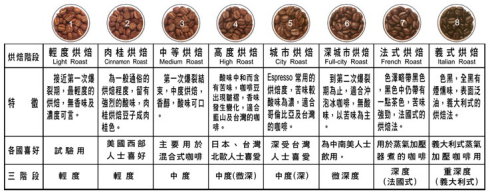
The first crack occurs when moisture inside the coffee bean turns to steam and expands rapidly, causing the bean structure to expand and fracture. This typically happens around 195–205°C (383–401°F) and signals the start of significant chemical changes, including sugar formation and aroma development.
What does the second crack indicate?
The second crack, occurring around 220–230°C (428–446°F), results from the actual rupture of the bean’s cell walls. It signals a move into darker roast levels and increased risk of carbonization, which can create bitter, burnt flavors.
How can I use sound to determine roast level?
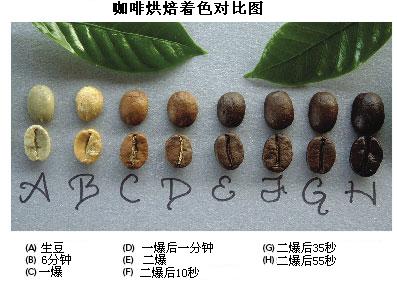
Listen for the first crack (low, scattered pops) to identify the start of light roasting, and the second crack (sharp, rapid bursts) for darker roasts. Roast completion is typically between the end of the first crack and the start or middle of the second crack, depending on desired roast profile.
Why do roasted coffee beans continue to release gas after roasting?
Roasted beans release carbon dioxide for up to 30 days after roasting. This degassing process protects the coffee from early oxidation, helping preserve freshness and flavor. After about a week, the rate of CO₂ release drops significantly.
What happens if you roast too long?
Over-roasting leads to excessive carbonization, burning off aromatic compounds and creating harsh, bitter, or burnt flavors. The beans may turn black, oily, and start emitting smoke—indicating they are close to catching fire.
Can I roast coffee at home just by listening?
Yes, with practice, you can use the first and second crack sounds to guide your home roasting. However, combining sound with visual and aromatic cues gives the best control over the final roast quality.
Recommended FrontStreet Beans for Roast Development
Explore how roast levels affect flavor with FrontStreet Coffee’s Ethiopia Huakui (light-medium, floral and citrus), PWN Golden Mandheling (medium-dark, bold and spicy), and Brazil Queen Manor (natural, nutty and chocolatey). Each highlights how sound cues guide roast progression and flavor development. Freshly roasted within 5 days · Orders placed before 17:00 ship the same day · Next-day delivery across most of Guangdong Province.
FrontStreet Coffee is a long-established specialty coffee roaster in Guangzhou China, selling freshly roasted beans from its own farm in Yunnan as well as dozens of carefully selected single-origin beans from around the world for both pour-over and espresso. The products deliver consistently excellent quality and great value, with shipping within 24 hours. Guangzhou's FrontStreet Coffee shop is recommended by many coffee lovers, and the beans are now available online at the Tmall 。
Important Notice :
前街咖啡 FrontStreet Coffee has moved to new addredd:
FrontStreet Coffee Address: 315,Donghua East Road,GuangZhou
Tel:020 38364473