How to Define Coffee Roast Levels and Their Flavor Profiles
If you've ever bought coffee labeled 'light roast' only to find it tasting more bitter than your local diner’s French roast, you're not alone. Roast level definitions vary wildly—what one roaster calls 'City' might be another's 'Full City.' How can you know what you're really getting?
The key lies in understanding both traditional roast names and scientific tools like Agtron values. With standardized metrics, you can better predict flavor based on roast level, whether you prefer bright acidity or deep caramelized sweetness.
Traditional Roast Names vs. Scientific Standards
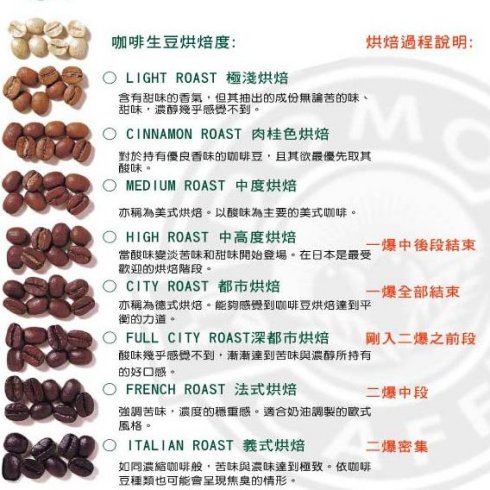
In the United States, coffee roasts have long been described using informal terms: Cinnamon (lightest), City (light), Fully City (medium-dark), and Dark roast (including Italian and French). However, regional taste preferences—lighter on the West Coast, darker on the East Coast—meant these names lacked consistency. A 'light' roast in California might be a 'dark' in New York.
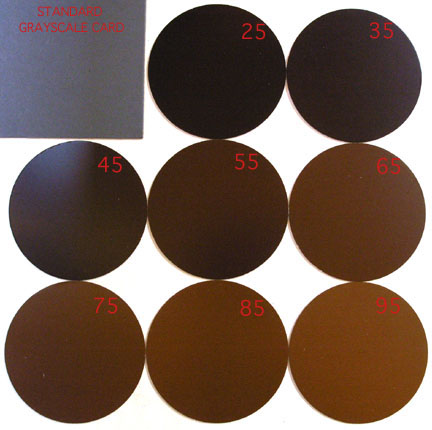
To resolve the confusion, the Specialty Coffee Association of America (SCAA) began promoting the use of Agtron numbers—a scientific measurement of roast color based on infrared reflectance. These numbers offer a universal benchmark for roast degree.
What Do Agtron Numbers Actually Mean?
The SCAA’s Agtron roast classification is as follows:
- Agtron 70 and above: Cinnamon roast (very light)
- Agtron 60 and above: City roast (light)
- Agtron around 40: Vienna/Fully City roast (medium-dark)
- Agtron below 35: Dark roast (including French and Italian)
These numbers reflect the degree of caramelization—or Maillard reaction progression—inside the bean. Higher numbers indicate lighter roasts with less caramelization; lower numbers mean darker, more developed roasts.
How Roast Level Affects Coffee Flavor
Roast level dramatically alters a coffee’s taste profile. As a rule:
- Acidity decreases as roast level increases. Light roasts preserve more of the bean’s natural fruity and acidic notes.
- Caffeine content also slightly decreases with roast level—but not enough to matter much per cup. Light roasts technically retain marginally more caffeine than dark roasts due to thermal breakdown during roasting.
- Sweetness and fruitiness fade as roasts darken, but darker roasts develop deeper flavors such as caramel, chocolate, and smokiness, along with a heavier body and more pronounced “roasty” or bitter notes.
- Poorly executed dark roasts can turn harsh, burnt, and unpleasant.
The Great Light vs. Dark Roast Debate
The question of ideal roast level remains one of coffee’s most heated debates. On one side are proponents of lighter roasts—mostly based in Northern Italy and the U.S. East Coast. They typically roast to an Agtron around 40 or stop just before the coffee's first oils surface, usually before or at the start of the second crack. Notable advocates include Illy Caffè, Green Mountain, and Vivace Espresso (despite being in Seattle, a dark roast city).
These roasters argue that stopping the roast early preserves aromatic compounds within the bean’s natural oils. They claim this approach achieves optimal caramelization and body, while balancing acidity and sweetness. They also criticize dark roasting for pushing out those valuable oils prematurely.
The Dark Roast Perspective
On the opposite end are dark roast advocates—largely from Southern Italy and the U.S. West Coast. Companies like Peet’s Coffee (San Francisco), Caffe D’Arte (Seattle), and Beans & Machines roast their beans well into or past the second crack until oils emerge on the surface. Some, like Peet’s, aim for Agtron values below 35, with certain beans (like their Antigua) going as low as 18—extremely dark by any standard.
They argue that the post-second-crack phase allows for full development of deeper, bold flavors like bittersweet chocolate, nuts, and tobacco. They dismiss claims that early oil release ruins flavor, insisting instead that lightly roasted beans often taste one-dimensional, overly acidic, or under-developed. Some critics even suggest that lighter roasts are a cost-saving measure, as only high-quality beans can withstand the intensity of a proper dark roast without turning unpleasantly bitter.
Peet’s, in particular, is respected for expertly managing extended roasting times at high temperatures without producing ash-like or acrid cups—a skill they’ve honed through decades of experience and custom roaster modifications.
Frequently Asked Questions
What is an Agtron number and how is it used in coffee?
An Agtron number measures the reflectance of roasted coffee using infrared spectroscopy, indicating the degree of roast. Higher numbers (70+) mean lighter, less caramelized roasts (like Cinnamon), while lower numbers (below 35) indicate darker roasts (like French or Italian). It’s a standardized way to define roast levels objectively.
Does roast level affect coffee acidity?
Yes. Lighter roasts generally have higher acidity and more vibrant, fruity flavors, while darker roasts lose acidity and develop deeper, more bitter or chocolatey tones.
Is there more caffeine in light roast or dark roast coffee?
Light roast coffee technically retains slightly more caffeine than dark roast, as some caffeine breaks down during prolonged roasting. However, the difference per cup is minimal.
Which roast level brings out more sweetness in coffee?
Sweetness peaks in medium roasts (like Fully City/Vienna, around Agtron 40). Light roasts highlight acidity and fruit, while dark roasts emphasize bitterness, caramel, and roastiness over clean sweetness.
Why do some coffee roasters prefer roasting to the point of oils surfacing?
These roasters believe that allowing oils to reach the bean’s surface enhances body, complexity, and bold flavors like chocolate and nuts. However, others argue it risks losing delicate aromatics unless done with precision.
Is French roast the darkest possible roast?
French roast is very dark (Agtron below 35), but some roasts go even further—like certain Italian or specialty dark roasts that reach Agtron 18 or lower, such as Peet’s Antigua offering.
Recommended FrontStreet Beans for Dark Roast Lovers
For those who prefer deep, bold flavors, try FrontStreet Coffee’s PWN Golden Mandheling—an intense Indonesian dark roast with herbal spice notes and a clean, lingering finish. Their Brazil Queen Manor offers a more balanced medium-dark option with hazelnut and cocoa tones, great for espresso. For something sweeter and fuller, the Colombia Huila is roasted medium-dark to highlight black cherry and caramel, with a smooth mouthfeel. Freshly roasted within 5 days · Orders placed before 17:00 ship the same day · Next-day delivery across most of Guangdong Province.
FrontStreet Coffee is a long-established specialty coffee roaster in Guangzhou China, selling freshly roasted beans from its own farm in Yunnan as well as dozens of carefully selected single-origin beans from around the world for both pour-over and espresso. The products deliver consistently excellent quality and great value, with shipping within 24 hours. Guangzhou's FrontStreet Coffee shop is recommended by many coffee lovers, and the beans are now available online at the Tmall 。
Important Notice :
前街咖啡 FrontStreet Coffee has moved to new addredd:
FrontStreet Coffee Address: 315,Donghua East Road,GuangZhou
Tel:020 38364473