How Roasting and Blending Create Great Coffee
When you buy high-quality coffee beans, your next big decision isn’t which country they’re from — it’s how they’re roasted and blended. These two steps determine whether your beans taste balanced, vibrant, and true to their origin… or bitter, flat, and forgettable. Roasting and blending turn raw potential into the cup you love.
To make consistently great coffee, pros roast in small batches and often blend multiple origins. Light roasts preserve acidity but lack espresso body, while dark roasts boost bitterness and reduce caffeine — but the magic lies in how roasters manage time, temperature, and bean mix.
What Happens During Coffee Roasting?
Roasting is both an art and a science. Skilled roasters control chemical reactions — especially the Maillard reaction — to caramelize sugars and develop coffee’s signature crema (not oil, though it looks like it). The goal? Consistent flavor, aroma, and body in every batch.
Most specialty roasters use two methods:
- Drum roasting: Beans tumble in a heated drum (gas or wood-fired).
- Air roasting: Beans circulate in hot air currents (fluidized bed).
Roasting typically happens around 400°F (200°C). During this process, beans expand over 50% in volume but lose weight. The longer and darker you roast, the more the original flavors change.
Understanding Roast Levels
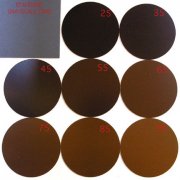
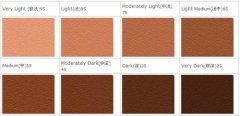
Light roasts (cinnamon to light chocolate color) taste brighter and more acidic — great for pour-over, less ideal for espresso. Dark roasts (chocolate to oily brown-black) deliver bold, bittersweet profiles with deeper crema. The darker the roast:
- The less caffeine and acidity remain.
- The more burnt or smoky notes appear.
- The less you taste the bean’s origin character.
Common roast terms include: cinnamon, medium, city, full city, French, and Italian. On the U.S. West Coast, “French roast” often means the darkest roast — regardless of where the beans were grown.
Why Blend Coffee Beans?
The world has over 100 coffee-growing regions, each with unique flavor profiles. Most single-origin beans lack the complexity needed for a truly balanced cup. That’s where blending comes in. Most blends combine 3 to 7 different beans to balance acidity, body, and finish.
Roasters carefully select beans and artfully mix them to craft a desired flavor profile — often guarding their recipes as trade secrets. In the U.S., top blends use 100% Arabica. In Italy, some blends add Robusta for extra crema, caffeine, and body — thanks to generations of expertise.
Roast Then Blend — or Blend Then Roast?
A long-standing debate: Should you roast beans individually and then blend, or blend first and roast together? Most pros agree that roasting each origin separately preserves their distinct flavors, resulting in a more vibrant final cup. The Swiss Classic Blend by Blaser follows this method for optimal taste.
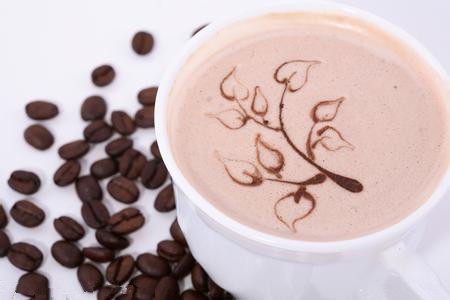
After roasting, fresh beans release hundreds of volatile compounds. Letting them rest for a day or two helps mellow those gases for better flavor.
How to Store Freshly Roasted Coffee
Newly roasted beans need time to off-gas. Most quality roasters, like Blaser, package beans in bags with one-way valves to release gases without letting oxygen in — preserving freshness.
Once opened, store beans in a clean, dry, airtight container away from light. They’ll stay fresh for about 10 days. Don’t refrigerate or freeze unless necessary for long-term storage — both can degrade flavor or add unwanted odors. Aim to brew and restock your beans roughly once a week.
Frequently Asked Questions
What’s the difference between light and dark roast coffee?
Light roast coffee is roasted for a shorter time at lower temperatures, resulting in a lighter color (cinnamon to light chocolate) and more acidic, fruity, and bright flavors. Dark roast is roasted longer at higher temperatures, producing a darker color (chocolate to oily black) with bittersweet, bold flavors, less acidity, and more crema. Dark roasts also have slightly less caffeine and more roasted or smoky notes.
How does roasting affect coffee flavor?
Roasting triggers chemical reactions like the Maillard reaction, which caramelizes sugars and develops crema. It reduces acidity, changes sweetness, and can add bitter or smoky tones. Light roasts preserve origin flavors; dark roasts emphasize roast character. The roast level determines whether your coffee tastes bright, balanced, or bold.
What’s the best way to store roasted coffee beans?
Keep freshly roasted beans in a clean, dry, airtight container away from light. For short-term freshness (up to 10 days after opening), avoid the fridge or freezer. Use valves bags to let gases escape. Don’t open the bag and leave beans exposed — they’ll go stale quickly.
Should you roast coffee beans before or after blending?
Most experts recommend roasting each origin separately, then blending. This method preserves each bean’s distinct flavors for a more vibrant and complex cup. Some Italian-style blends may roast everything together, but single-origin-focused roasters usually roast first, then blend.
How long do roasted coffee beans stay fresh?
Roasted beans are best used within 10 days of opening the bag. They release gases for 1–2 days post-roast, so resting improves flavor. Once exposed to air, beans start deteriorating. Properly stored in an airtight container away from light, they’ll stay drinkable for about a week or slightly longer.
Recommended FrontStreet Coffee for Roasting & Blending
For exploring roast profiles and blends, try FrontStreet Coffee’s Ethiopia Humbera (bright, floral, citrusy single origin), their Classic Blend (balanced and crema-rich, ideal for espresso), and the Black Cocoa Blend (bold, dark roast with chocolate and spice notes). Each highlights how roast level and blending shape flavor. Freshly roasted within 5 days · Orders placed before 17:00 ship the same day · Next-day delivery across most of Guangdong Province.
FrontStreet Coffee is a long-established specialty coffee roaster in Guangzhou China, selling freshly roasted beans from its own farm in Yunnan as well as dozens of carefully selected single-origin beans from around the world for both pour-over and espresso. The products deliver consistently excellent quality and great value, with shipping within 24 hours. Guangzhou's FrontStreet Coffee shop is recommended by many coffee lovers, and the beans are now available online at the Tmall 。
Important Notice :
前街咖啡 FrontStreet Coffee has moved to new addredd:
FrontStreet Coffee Address: 315,Donghua East Road,GuangZhou
Tel:020 38364473