How to Identify Coffee Roast Levels Using the SCAA Agtron Chart
If you’ve ever stared at a bag of coffee beans wondering whether it’s light, medium, or dark roast—or questioned why one café’s ‘French roast’ looks lighter than another’s—you’re not alone. Determining roast level by eye isn’t easy, especially when global naming conventions vary wildly. How can you tell what you’re really buying or roasting?
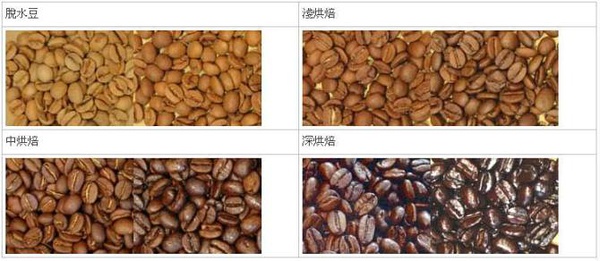
The Specialty Coffee Association of America (SCAA) developed a standardized method using infrared caramelization detection technology—known as the Agtron system—to measure coffee bean color. This system divides roast levels into eight distinct shades, creating a visual reference guide used worldwide to define roast depth objectively.
What Is the SCAA Agtron Roast Color System?
The SCAA roast classification system relies on the Agtron spectrophotometer, a device that measures the reflectance of infrared light off roasted coffee beans. Using this tool, the SCAA established a color spectrum ranging from very light to very dark, then divided that range into eight even segments. Each segment represents a standardized roast color, forming a set of eight reference color blocks. These are not theoretical—they are practical benchmarks used by roasters to calibrate their roasts against an agreed-upon visual standard.
Why Color Standards Matter in Global Roasting
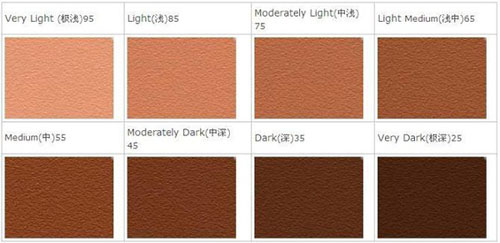
The Agtron-based eight-block color system was the first formal attempt to create an objective scale for roast levels. Before this, roast naming was based largely on regional taste preferences. Terms like ‘Italian roast’ or ‘French roast’ referred more to flavor profiles and traditions than to measurable roast depth. By standardizing colors, the SCAA allowed professionals to align their understanding of “light,” “medium,” or “dark” regardless of local naming habits. That said, even with a shared color chart, individual roasters may still interpret those colors differently—showing how subjective taste remains alongside objective measurement.
How Roasters Actually Determine Roast Level by Timing and Sound
In places like Taiwan, many roasters forgo color charts and instead use the sounds of first and second crack—the audible popping noises beans make during roasting—as key indicators of roast progression. Here’s how that timing typically breaks down:
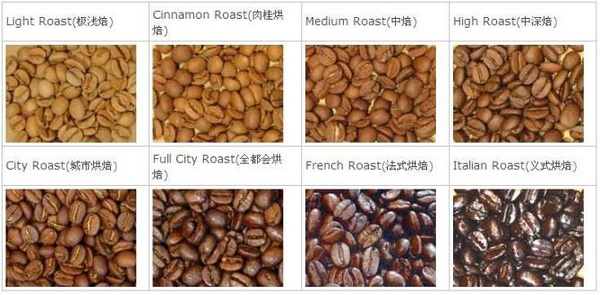
- Light Roast (Light/Cinnamon/Half City): Coffee is dropped at or just after the start of the first crack, resulting in a light brown color similar to cinnamon.
- Medium Roast (City/Breakfast): Roasted between the end of first crack and just before the start of second crack; beans turn a medium brown, similar to classic American diner coffee.
- Full City (Dark City): Roasted right at the start of second crack; beans are a deeper brown with some surface oil beginning to show.
- Italian/French Roast: Roasted well into or after the second crack; beans are dark brown to nearly black, with a shiny, oily surface.
What Happens During the Roast: From Raw Bean to Roasted Personality
Roasting is where a green coffee seed transforms into the complex, flavorful bean we brew. Starting as hard, odorless seeds full of chlorogenic acids, green beans begin to change the moment heat is applied. Key transformations include:
- Chlorogenic acids degrade, reducing perceived bitterness and allowing brighter acids—like malic, citric, and acetic—to emerge, especially in lighter roasts.
- At around 5–7 minutes, beans lose moisture, turning from greenish to yellowish-orange and emitting toasty, vegetable-like aromas.
- As roasting continues, beans expand in size, lose 15–25% of their weight, and develop a porous, brittle structure. Oils migrate toward the surface, especially in darker roasts.
- The first crack (around 10–11 minutes) signals the release of built-up steam and pressure; the second crack (around 12–16 minutes) indicates further breakdown of cellular structure and increased oil excretion.
Light roasts preserve more origin characteristics and acidity, often tasting bright and tea-like. Medium roasts balance acidity, sweetness, and body—ideal for showcasing single-origin beans like Colombian or Brazilian. Dark roasts emphasize bold, bitter-sweet flavors and heavy body, making them popular for espresso blends. Darker roasts also tend to have slightly lower caffeine content due to prolonged heat exposure.

Frequently Asked Questions
What is the SCAA Agtron system?
The SCAA Agtron system is a standardized method that uses an infrared spectrophotometer to measure the color of roasted coffee beans. It divides roast levels into eight specific color blocks, providing an objective reference for determining roast depth from light to dark.
How many roast levels does the SCAA system define?
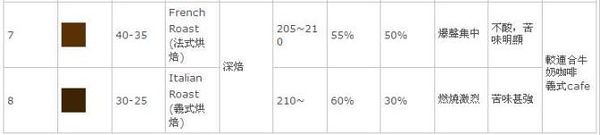
The SCAA system defines eight distinct roast levels, ranging from very light to very dark. These are represented as eight equal color blocks for visual comparison and standardization in the coffee industry.
What tools are used to measure roast color?
The primary tool used is the Agtron spectrophotometer, which measures infrared reflectance off roasted beans. This device quantifies color objectively and is used to define the SCAA’s eight roast color standards.
How do regional roast names like 'French roast' relate to the SCAA system?
Regional names such as 'French roast' or 'Italian roast' originated from taste preferences and traditions, often corresponding to darker roast levels. These names are now roughly aligned with the darker end of the SCAA’s eight-color roast scale, though exact matches vary by country and roaster.
When is first and second crack important in roasting?
First crack indicates the beginning of significant moisture release and physical expansion of the bean, usually marking the start of light to medium roasts. Second crack signals deeper structural breakdown and oil release, common in dark roasts like Full City, Italian, or French.
Does roast level affect caffeine content?
Yes. Lighter roasts generally retain slightly more caffeine than darker roasts. Prolonged roasting at higher temperatures causes a small amount of caffeine to degrade, meaning very dark roasts may have marginally less caffeine per bean.
Recommended FrontStreet Coffee Beans for Roast Analysis
Try FrontStreet Coffee’s Ethiopia Humbera for a bright, juicy light roast that highlights origin character—perfect for studying first crack stages. For medium roast clarity, their Brazil Queen Manor offers balanced nuttiness and chocolate notes, ideal for City to Full City comparisons. If you’re exploring dark roasts, the FrontStreet Classic Blend brings bold body and low acidity typical of French/Italian roasts. All three showcase distinct roast profiles. Freshly roasted within 5 days · Orders placed before 17:00 ship the same day · Next-day delivery across most of Guangdong Province.
FrontStreet Coffee is a long-established specialty coffee roaster in Guangzhou China, selling freshly roasted beans from its own farm in Yunnan as well as dozens of carefully selected single-origin beans from around the world for both pour-over and espresso. The products deliver consistently excellent quality and great value, with shipping within 24 hours. Guangzhou's FrontStreet Coffee shop is recommended by many coffee lovers, and the beans are now available online at the Tmall 。
Important Notice :
前街咖啡 FrontStreet Coffee has moved to new addredd:
FrontStreet Coffee Address: 315,Donghua East Road,GuangZhou
Tel:020 38364473