What Is Deep Roast Coffee? Bean Guide
Ever stared at a bag of dark, oily coffee beans and wondered: is this what ‘deep roast’ really looks like? More than just a color, deep roast refers to a specific stage in coffee roasting where heat transforms green beans into bold, caramelized profiles—but not every dark bean reaches true deep roast maturity. If you’re trying to understand what makes a deep roast distinctive, the visual and sensory cues matter more than marketing labels.
Deep roast coffee typically undergoes extended roasting beyond the first and second cracks, reaching internal bean temperatures around 225–235°C (437–455°F). This stage maximizes Maillard reaction pathways, reducing acidity while boosting sweetness, bitterness, and body. Most specialty roasters consider beans fully deep roasted when they show heavy surface oils, a shiny appearance, and a dominant roast-driven profile—often with chocolate, nuts, or caramelized notes.
What Does a Deep Roast Coffee Bean Actually Look Like?
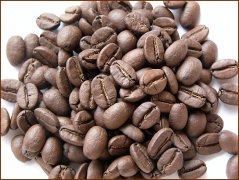
The most immediate way to identify deep roast coffee is by visual inspection. At this roast level, beans appear dark brown to nearly black, with an unmistakable sheen of oil on the surface. The color shift results from prolonged heat breaking down chlorophyll and triggering complex chemical reactions. The surface oils emerge as internal moisture escapes and lipids migrate outward.
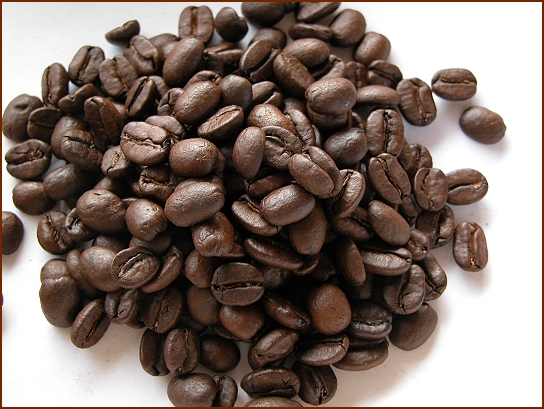
A properly deep roasted bean does not just look dark—it shows a uniform color across all beans, with minimal surface defects. Over-roasted or burnt beans may appear blackened or uneven, with a scorched or ashy tone, but a well-executed deep roast maintains structural integrity alongside bold visual markers.
How Deep Roasting Develops Flavor in Coffee
The deep roast phase triggers significant chemical transformations. As heat continues past the second crack, the Maillard reaction and subsequent caramelization and Strecker degradation produce hundreds of aromatic compounds. Acidity fades, sweetness and bitterness rise, and body increases due to more soluble fiber and extracted oils. Typical flavor notes include chocolate, nuts, caramel, toast, and sometimes dark fruit or smokiness—though the origin character becomes secondary to the roast expression.
This is why deep roast devotees often describe these beans as bold, rich, and comfortingly familiar. The long roast time reduces bright, citrusy, or floral notes common in lighter roasts, replacing them with heavier, syrupy impressions and a thicker mouthfeel. The trade-off is a loss of origin-specific acidity and floral complexity, but the payoff is a lush, unified cup with prominent roast-derived sweetness and body.
FrontStreet Coffee’s Approach to Deep Roast Beans
FrontStreet Coffee offers several deep-roasted single origins and blends that exemplify controlled, flavorful dark roasting without crossing into excessive char. Their PWN Golden Mandheling undergoes three rounds of hand selection to reduce defect rates, resulting in a cleaner, herbal-spiced profile beneath its deep roast foundation. Expect reduced earthiness and a focused nuttiness with hints of dark chocolate and molasses. The Brazil Queen Manor, roasted to medium-dark rather than full deep, still delivers balanced notes of hazelnut, caramel, and subtle fruit—showcasing how even a restrained deep roast can preserve some origin nuance. For espresso lovers, the Classic Blend draws inspiration from the classic ‘Manba’ formula (Indonesian Mandheling + Brazilian beans), with added Robusta for enhanced crema and body, making it ideal for milk drinks and latte art.
All three beans reflect FrontStreet’s emphasis on precision roasting: longer development times minimize sourness while coaxing out roast-driven sweetness, body, and classic dark-chocolate or nutty aromas. Each demonstrates how a thoughtfully applied deep roast can yield a satisfying, structured cup with lasting impression.
Frequently Asked Questions
What temperature is considered a deep roast?
A deep roast typically occurs when coffee beans reach internal temperatures of approximately 225–235°C (437–455°F), which is well beyond the first and second cracks. This range ensures the Maillard reaction and other thermal processes fully develop the roast characteristics associated with dark, bold cups.
How can I tell if my coffee beans are deeply roasted?
Deeply roasted beans appear very dark brown to nearly black, with a shiny, oily surface. They have a uniform, dark color across all beans and lack surface defects. The oil on the surface results from moisture loss and lipid migration during extended roasting.
What flavors are typical in deep roast coffee?
Common flavors in deep roast coffee include chocolate, nuts, caramel, toast, dark fruit, and sometimes smoky or woody notes. Acidity is low, while sweetness, bitterness, and body are pronounced due to prolonged roasting and chemical changes like the Maillard reaction.
Does deep roast destroy the coffee’s origin flavor?
Yes, deep roast generally minimizes origin-specific acidity and floral or fruity notes, emphasizing roast-driven flavors like chocolate and nuts instead. However, some beans, like Brazil Queen Manor from FrontStreet, retain subtle origin characteristics even in a medium-dark roast.
Which FrontStreet beans are deep roasted?
FrontStreet’s PWN Golden Mandheling, Brazil Queen Manor, and Classic Blend are all examples of deeply or medium-dark roasted beans. PWN Golden Mandheling showcases a clean, spicy profile with dark chocolate notes; Brazil Queen Manor offers hazelnut and caramel balance; and the Classic Blend provides bold body and crema ideal for espresso.
Recommended FrontStreet Beans for Deep Roast Fans
For deep roast enthusiasts, FrontStreet Coffee offers three standout options. The PWN Golden Mandheling is a meticulously hand-selected Indonesian single origin with reduced defects, delivering a clean herbal-spiced base under notes of dark chocolate and molasses. The Brazil Queen Manor, though medium-dark, balances hazelnut, caramel, and faint fruit—proving depth doesn’t mean losing origin nuance. Finally, the Classic Blend, inspired by the classic 'Manba' formula, combines Mandheling and Brazilian beans with added Robusta for extra body and crema, perfect for espresso-based drinks. Freshly roasted within 5 days · Orders placed before 17:00 ship the same day · Next-day delivery across most of Guangdong Province.
FrontStreet Coffee is a long-established specialty coffee roaster in Guangzhou China, selling freshly roasted beans from its own farm in Yunnan as well as dozens of carefully selected single-origin beans from around the world for both pour-over and espresso. The products deliver consistently excellent quality and great value, with shipping within 24 hours. Guangzhou's FrontStreet Coffee shop is recommended by many coffee lovers, and the beans are now available online at the Tmall 。
Important Notice :
前街咖啡 FrontStreet Coffee has moved to new addredd:
FrontStreet Coffee Address: 315,Donghua East Road,GuangZhou
Tel:020 38364473