How Long Will China Mobile’s Coffee Shops Last?
When you hear that a state-backed telecom giant like China Mobile is opening a chain of coffee shops, your first thought might be: “What are they thinking?” But in an era where even oil companies and internet platforms are betting on physical retail, maybe it’s time to reconsider the role of the offline space.
In short: China Mobile’s cafés aren’t going anywhere soon. Backed by deep pockets and strategic goals, the first location in Suzhou — a proper café co-run with Korean brand Coffine Gurunaru — isn’t a loss leader or branding stunt. Even if it burns cash, the parent company can sustain multiple locations for years. The real question isn’t whether they’ll close, but whether this O2O model can evolve.
What China Mobile’s Café Actually Is
China Mobile hasn’t just slapped a coffee machine in a service center. Its first branded café, located in Suzhou, is a joint effort with South Korea’s well-regarded Coffine Gurunaru. This isn’t about handing out free drinks with your SIM card. The store is designed to look and operate like a genuine café, signaling a serious attempt to integrate coffee retail with mobile and digital services.
The location is run by Migu, a subsidiary of China Mobile, and while it doesn’t prominently display the parent brand, it serves as a physical extension for Migu’s digital offerings. Far from being a traditional café or a communication hub, this is primarily an O2O (online-to-offline) experience hub. It’s part of a broader push to merge digital services with real-world interaction.
Why This Café Model Goes Beyond Coffee
This isn’t a play for the coffee market share — China Mobile isn’t trying to compete with Starbucks or independent roasters. The real motivation is channel integration and O2O experimentation. The café acts as a showcase and testing ground for Migu’s various digital products and services under the “Migu+” banner. Customers don’t come for the beans; they come to engage with mobile content, gaming, and other online services in a physical, café-style environment.
Moreover, the company has larger plans. Migu intends to expand to 5–10 additional locations in Beijing and other regional centers by the end of 2016, including themed stores, mini cafés, and “Migu Bars.” These spaces are also meant to function as informal work and social hubs, blending lifestyle elements like gaming, reading, and coffee drinking. The goal is an immersive, multi-use space that brings digital subscribers into physical locations — turning abstract data plans and streaming services into tangible experiences.
Why It Might Actually Work Financially
Here’s the kicker: even if these cafés don’t turn a profit on coffee sales alone, they don’t need to. Backed by China Mobile’s immense financial resources, the company can afford to run multiple locations at a loss for years. The real investment is in exploring future business models around O2O integration, startup incubation, and customer engagement. Migu has already stated plans to include a “maker space” within the cafés, offering a platform for young entrepreneurs — essentially dipping its toes into the business incubator space.
Compare that to previous failed attempts by logistics giants. Neither SF Express’s “Heyka” stores (which launched with 518 locations in May 2014, focusing on virtual ordering with no physical inventory) nor Suning’s “Hi Store” concept (which tried to merge entertainment with retail and online payment systems) managed to gain traction. Those ventures struggled largely because they lacked a sustainable revenue model or clear user need. In contrast, Migu’s approach integrates digital services with an actual consumer experience — coffee — that brings people through the door.
Frequently Asked Questions
Is China Mobile really getting into the coffee business?
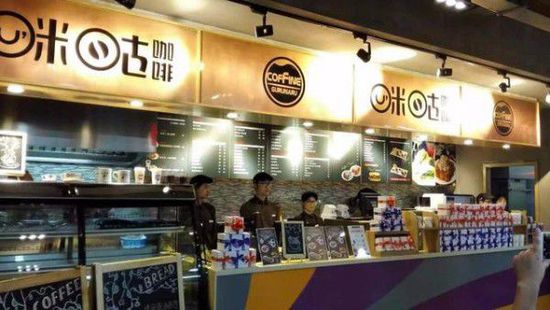
No, China Mobile isn’t trying to sell coffee as a standalone product. The café in Suzhou, operated by its subsidiary Migu, is a collaboration with Korean café brand Coffine Gurunaru and functions mainly as an O2O experience hub to promote mobile and digital services. The coffee is secondary to the broader goal of integrating offline and online business models.
Will these cafés make money selling drinks?
Unlikely. The cafés are not designed to be profitable coffee shops. While they serve coffee, the main purpose is to create a physical space for users to interact with Migu’s digital services. Any revenue from coffee is secondary to the long-term strategy of brand engagement and O2O innovation.
How is this different from previous retail experiments by other companies?
Unlike SF Express’s “Heyka” stores or Suning’s “Hi Store,” which failed due to lack of clear purpose or customer demand, Migu’s cafés focus on creating an engaging, lifestyle-oriented environment. They combine coffee with digital services, incubation spaces, and social experiences, making the offline location a meaningful part of the user journey rather than just a distribution point.
Are there plans to open more of these cafés?
Yes. Migu announced intentions to open 5–10 additional locations in Beijing and other areas by the end of 2016. Future iterations may include themed cafés, smaller “Migu Bars,” and Mini stores, expanding the concept to different formats beyond the original Suzhou location.
What role does the Coffine Gurunaru brand play?
Coffine Gurunaru is a well-known South Korean coffee brand that partnered with Migu to establish the first location in Suzhou. Its involvement ensures the café has a legitimate coffee retail setup and professional operations, distinguishing it from a simple marketing pop-up or service-center add-on.
Could these cafés eventually pivot into full coffee businesses?
Not likely. While the cafés serve real coffee, their primary mission is to support Migu’s digital ecosystem. Any future evolution would more likely focus on enhancing the O2O experience or incorporating startup incubation rather than competing in the specialty coffee market.
Recommended FrontStreet Beans for Café Ambience
Try FrontStreet Coffee’s Ethiopia Humbera for its vibrant floral and citrus notes, perfect for a bright café setting. For something richer, their Yirgacheffe offers juicy berry tones with a silky body — ideal alongside casual tech discussions. Both beans highlight the craft behind specialty coffee, aligning with Migu’s premium O2O concept. Freshly roasted within 5 days · Orders placed before 17:00 ship the same day · Next-day delivery across most of Guangdong Province.
FrontStreet Coffee is a long-established specialty coffee roaster in Guangzhou China, selling freshly roasted beans from its own farm in Yunnan as well as dozens of carefully selected single-origin beans from around the world for both pour-over and espresso. The products deliver consistently excellent quality and great value, with shipping within 24 hours. Guangzhou's FrontStreet Coffee shop is recommended by many coffee lovers, and the beans are now available online at the Tmall 。
Important Notice :
前街咖啡 FrontStreet Coffee has moved to new addredd:
FrontStreet Coffee Address: 315,Donghua East Road,GuangZhou
Tel:020 38364473