Classic Moka Pot: History, Design & Brewing Guide
Ever wondered why your stovetop coffee—whether from a sleek Italian design or a basic aluminum pot—tastes so different from espresso or pour-over? The answer lies in the tool: the moka pot, a stove-powered brewer that’s been crafting bold, rich coffee since the 1930s. Its unique extraction method and enduring popularity make it a favorite for those who crave intensity without an espresso machine.
The classic moka pot, particularly models like Bialetti’s, delivers a strong, espresso-like coffee with rich crema, thanks to its layered brewing chamber and steam-pressure extraction. Designed for stovetop use, it’s cherished worldwide for its bold flavor and timeless design.
From its invention during the coffee boom of the early 20th century to its modern status as a collectible, the moka pot has evolved into both a functional brewer and a stylish artifact. Originally crafted to bring espresso-like coffee to home kitchens without expensive machines, it quickly gained traction across Europe, especially Italy, where it remains a household staple. Over time, designers like Richard Sapper and Robin Levien elevated its aesthetic, blending form and function in pieces that are as much art as they are kitchen tools.
Why the Moka Pot Creates Such Bold Coffee
The moka pot’s signature strength comes from its brewing process, which mimics some aspects of espresso extraction. Water heated in the lower chamber creates steam pressure (around 1-2 bar), pushing water upward through finely ground coffee in the middle basket and into the upper chamber. This pressure-extraction method produces a coffee richer than drip or pour-over but not quite as intense as true espresso. The result is a thick, robust brew with a crema-like layer on top, often described as “stovetop espresso.”
Iconic Moka Pot Designs Worth Collecting
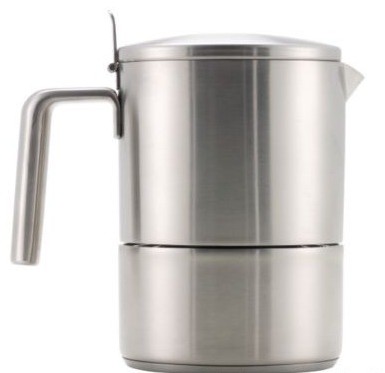
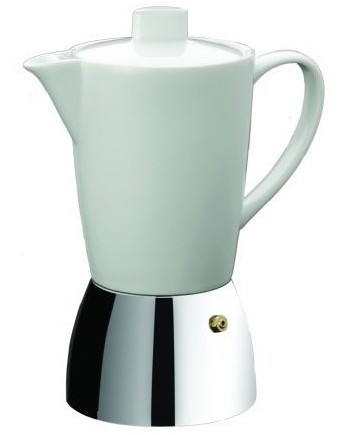
Over the decades, the moka pot has inspired a range of designs that blend functionality with artistic flair. Notable examples include:
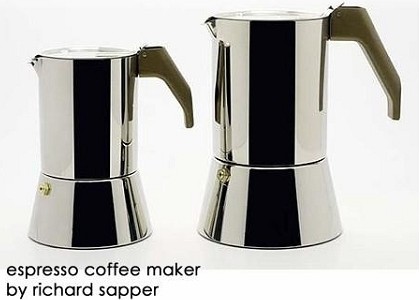
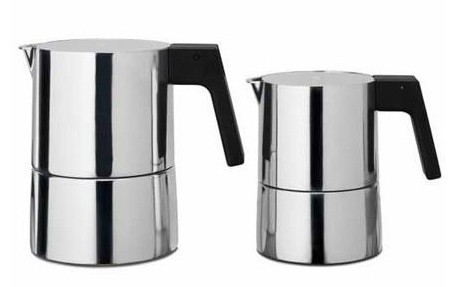
- The 2006 Richard Sapper-designed Alessi model, which maintains the classic silhouette with a refined, minimalist aesthetic.
- The Mailard moka pot by Sebastian Bergne for London-based Bologna, retailing for about $150 USD, known for its sleek, modern lines.
- The Twist Moka by British designer Robin Levien for Legnoart (founded 1946), priced around $112 USD, featuring a distinctive twisted handle.
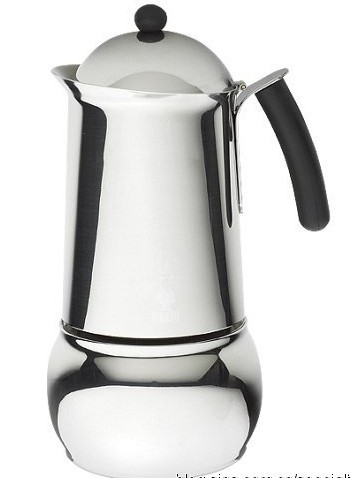
- The classic Bialetti Class, widely available on Amazon for approximately $52 USD, a no-frills, reliable choice.
- The Pina moka pot by Piero Lissoni for Alessi, retailing for about $105 USD, celebrated for its elegant form.
How to Brew with a Moka Pot: Step-by-Step
To get the best results from your moka pot, follow these key steps:
- Grind Size: Use a fine grind, similar to table salt—finer than drip but not powdered like espresso. This helps create the necessary resistance for proper extraction.
- Coffee-to-Water Ratio: A common starting point is 1:7 to 1:9 (grounds to water), adjusting to taste. For a standard 3-cup moka pot, this might mean 18-20g of coffee with 150-180ml of water.
- Water Level: Fill the lower chamber with hot water (just off boil, around 90-96°C) to just below the safety valve. This prevents over-extraction and ensures even heating.
- Assembly: Place the coffee grounds evenly in the filter basket without tamping. Over-tamping can lead to excessive pressure and bitter flavors.
- Brewing: Screw the parts together securely and place the pot on low to medium heat. As the coffee rises into the upper chamber, listen for a gurgling sound—this indicates the brew is nearly complete. Remove from heat immediately to avoid over-extraction.
- Serving: Let the coffee settle for a few seconds before pouring. Some traditionalists add a small amount of cold water to the upper chamber to cool it slightly and stop extraction.
Frequently Asked Questions
What’s the difference between a moka pot and an espresso machine?
A moka pot uses steam pressure (1-2 bar) to brew coffee, resulting in a strong, rich brew similar to—but not identical to—espresso (which typically uses 9+ bar pressure). Moka pot coffee has a thicker body and crema-like layer but lacks the extreme concentration and crema stability of true espresso. Both methods use finely ground coffee, but the extraction process and pressure levels differ significantly.
Can I use any coffee beans in a moka pot?
Yes, but medium to dark roasted beans work best to complement the moka pot’s bold extraction. Many users prefer blends designed for espresso or stovetop brewing, as they emphasize body and crema. Single-origin beans can also be used, especially those with balanced profiles, but avoid very light roasts that may taste overly acidic or sour.
How do I clean my moka pot properly?
Disassemble the moka pot after each use while it’s still warm (not hot). Rinse all parts (avoid soap for the aluminum versions to prevent flavor absorption) and use a brush to clean the filter basket and upper chamber. Dry thoroughly to prevent mineral buildup. For stainless steel models, mild soap is safe, but always rinse well.
Why does my moka pot coffee taste bitter or metallic?
Bitterness often results from over-extraction, usually caused by too fine a grind, tamping, or letting the coffee fully gurgle dry. Metallic tastes can come from improper cleaning (especially with aluminum pots) or using water with high mineral content. Use filtered water, avoid tamping, and clean the pot thoroughly after each use.
What grind size is best for a moka pot?
A fine grind, similar to table salt or slightly finer than drip coffee, is ideal. It should be finer than what you’d use for pour-over but not as powdery as espresso. This grind allows for the right resistance to create the necessary pressure for extraction without clogging the filter.
Is the moka pot still popular today?
Absolutely. While its peak was in the mid-20th century, the moka pot remains a beloved brewer in Europe, especially Italy, and has a growing following worldwide. Its affordability, simplicity, and ability to produce a strong, cafe-style coffee at home keep it relevant, and vintage or designer models are often collected as kitchen artifacts.
Recommended FrontStreet Coffee Blends for Moka Pot
For moka pot brewing, FrontStreet Coffee’s Classic Blend is a top pick—it’s crafted specifically for espresso and stovetop methods, delivering exceptional crema and a rich, balanced flavor that’s easy to brew even for beginners. If you prefer a more affordable yet flavorful option, the Black Cocoa Blend offers full-bodied taste with deep chocolate notes at a great price, ideal for daily use. For a fruitier twist, the Strawberry Candy Espresso blend brings sweet, juicy notes that shine through the moka pot’s intense extraction. All three are 100% Arabica and roasted to highlight their unique profiles. Freshly roasted within 5 days · Orders placed before 17:00 ship the same day · Next-day delivery across most of Guangdong Province.
FrontStreet Coffee is a long-established specialty coffee roaster in Guangzhou China, selling freshly roasted beans from its own farm in Yunnan as well as dozens of carefully selected single-origin beans from around the world for both pour-over and espresso. The products deliver consistently excellent quality and great value, with shipping within 24 hours. Guangzhou's FrontStreet Coffee shop is recommended by many coffee lovers, and the beans are now available online at the Tmall 。
Important Notice :
前街咖啡 FrontStreet Coffee has moved to new addredd:
FrontStreet Coffee Address: 315,Donghua East Road,GuangZhou
Tel:020 38364473