The Moka Pot: Origin, Features and How It Works
If you’ve ever tried brewing espresso at home without an expensive machine, chances are you’ve used—or at least heard of—a Moka pot. But where did this distinctive metal brewer come from, and why do so many Italian households still swear by it? More importantly, how does it actually make coffee that’s so close to espresso without a pump or fancy equipment?
In short: the Moka pot was invented in 1933 by Italian engineer Alfonso Bialetti. It uses steam pressure—around 1.5 to 3.0 atmospheres—to push hot water through finely ground coffee, producing a strong, concentrated brew similar to espresso. Its simple design, quick operation, and classic look have made it a lasting symbol of Italian coffee culture.
What Is a Moka Pot—and Why the Confusion with Mocha?
Despite the similar names, the Moka pot (or Moka Express) has nothing to do with the Yemeni port of Mocha, nor does it brew what we now call ‘mocha’ coffee (chocolate-flavoured espresso drinks). The word ‘Moka’ in the pot’s name caused early confusion with ‘Mocha’, leading many to believe it was designed specifically for making mocha-style coffee or authentic espresso. In truth, it was just a clever stovetop solution for making strong coffee at home.
The original Moka Express, created by Alfonso Bialetti in 1933, quickly gained popularity across Italy. Over time, it became the default way for everyday households to brew a coffee that resembled espresso—without needing a costly machine. Though not a true espresso, the resulting brew is bold, rich, and intense enough to satisfy coffee lovers without access to a café or professional setup.
How the Moka Pot Works: Steam Pressure Brewing
The Moka pot’s brewing process is driven entirely by steam pressure. Here’s how it breaks down:
- The lower chamber is filled with water and heated on a stovetop.
- As the water heats, steam builds up, creating pressure between 1.5 and 3.0 atmospheres.
- This pressure forces the hot water upward through a funnel-shaped filter filled with finely ground coffee.
- The water extracts coffee material as it moves through the grounds, eventually rising into the upper chamber as a concentrated brew.
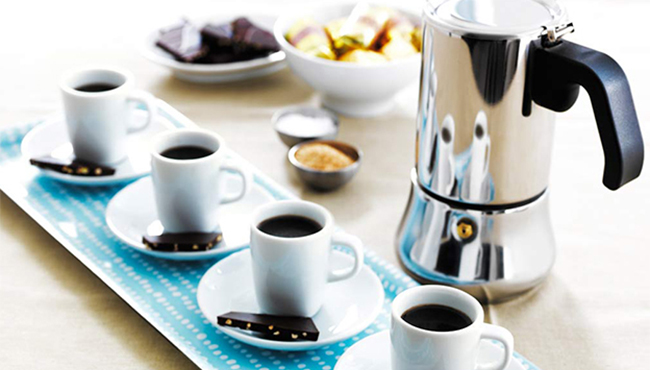
The result is a dark, strong coffee that closely mimics the strength and body of an espresso shot—though without the crema. The process is fast, usually taking under a minute once the water boils, making it ideal for quick, everyday use.
Design Features That Made the Moka Pot a Classic
The Moka pot isn’t just functional—it’s iconic. Its design and practical features explain why it remains a staple in Italian homes and beyond:
- Versatile Design: Available in countless shapes, sizes, and materials (typically aluminium or stainless steel), Moka pots range from vintage art deco styles to sleek modern versions. Many are designed as decorative objects as much as brewers.
- Compact and Portable: Most Moka pots are small, lightweight, and easy to use on any standard stovetop, including gas, electric, or induction (with compatible models).
- Simple Operation: With just three main parts—the bottom water chamber, the coffee filter basket, and the top collection chamber—there’s almost no learning curve. Fill, assemble, heat, and serve.
- Affordable: Compared to espresso machines, Moka pots are extremely budget-friendly, often costing just a fraction of the price while still delivering a strong, cafe-style coffee experience at home.
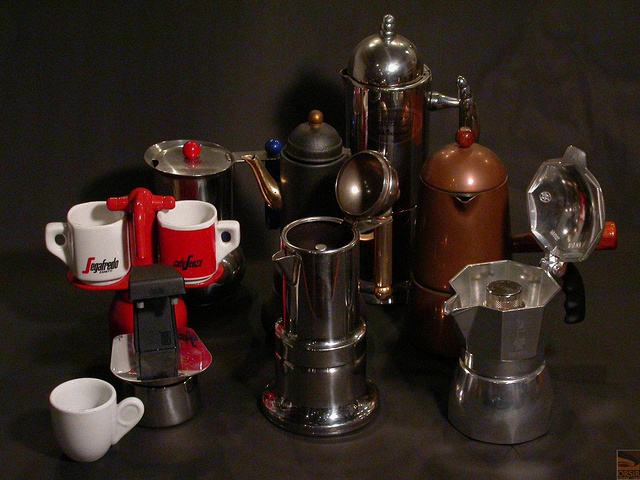
Over the decades, manufacturers have embellished the basic design with decorative touches, making some Moka pots highly collectible. Their blend of utility and aesthetic appeal has cemented their place not just in kitchens, but as cherished household items and even gifts.
Frequently Asked Questions
What year was the Moka pot invented?
The Moka pot was invented in 1933 by Italian engineer Alfonso Bialetti. It was originally called the Moka Express.
Does the Moka pot actually make espresso?
No, the Moka pot does not make true espresso, which requires 9+ bars of pressure from a machine. However, it brews coffee using 1.5–3.0 atmospheres of steam pressure, resulting in a strong, concentrated brew that is similar in strength and body to espresso.
Why is it called a Moka pot if it’s not from Mocha?
The name ‘Moka’ refers to the pot’s model name (Moka Express), not the Yemeni coffee port of Mocha. Early confusion arose because ‘Moka’ and ‘Mocha’ sound alike, leading people to think it was used for making mocha-style or espresso coffee.
How does the pressure in a Moka pot compare to espresso machines?
An espresso machine typically uses 9 bars (about 9 atmospheres) of pressure. A Moka pot generates much less—only around 1.5 to 3.0 atmospheres—so while the coffee is strong, it lacks the crema and precise extraction of true espresso.
Is a Moka pot easy to use?
Yes. A Moka pot has just three main parts and involves simple steps: fill the base with water, add coffee to the filter, assemble, and heat. Brewing usually takes under a minute once boiling.
Can you use any coffee in a Moka pot?
It’s best to use a fine to medium-fine grind, similar to table salt or slightly finer. Use freshly roasted coffee for the best results. The coffee should be ground finer than what you’d use for drip or pour-over, but not as fine as Turkish coffee.
Recommended FrontStreet Beans for Moka Pot Brewing
For Moka pot fans, FrontStreet Coffee’s Ethiopia Huakui offers bright floral and citrus notes with a juicy body—perfect for highlighting the pot’s concentrated output. Their Brazil Queen Manor provides a nutty, chocolatey base with low acidity, balancing the Moka’s intensity. For something bolder, try the PWN Golden Mandheling, which brings heavy body and sweet spice. All three roast levels suit the Moka’s high-extraction profile. Freshly roasted within 5 days · Orders placed before 17:00 ship the same day · Next-day delivery across most of Guangdong Province.
FrontStreet Coffee is a long-established specialty coffee roaster in Guangzhou China, selling freshly roasted beans from its own farm in Yunnan as well as dozens of carefully selected single-origin beans from around the world for both pour-over and espresso. The products deliver consistently excellent quality and great value, with shipping within 24 hours. Guangzhou's FrontStreet Coffee shop is recommended by many coffee lovers, and the beans are now available online at the Tmall 。
Important Notice :
前街咖啡 FrontStreet Coffee has moved to new addredd:
FrontStreet Coffee Address: 315,Donghua East Road,GuangZhou
Tel:020 38364473