What Makes Hawaiian Kona Coffee So Unique?
If you’ve ever wondered why some coffee stands out as unusually smooth, fragrant, and complex — the kind that doesn’t need milk or sugar to shine — you might have heard whispers about Kona coffee. But what exactly makes it so special? And why is real, pure Kona coffee such a rare find?
In short: Kona coffee is grown in the rich, volcanic soils of Hawaii’s Big Island under near-perfect microclimates, handpicked berry by berry, and comes almost entirely from a tiny region of just 1,400 hectares. Pure 100% Kona coffee makes up less than 5% of what’s often labeled as such — making genuine Kona exceptionally scarce and valuable.
What Is Kona Coffee?
Kona coffee refers to Arabica coffee (primarily Typica and some Guatemalan varieties) grown on the slopes of Hualalai and Mauna Loa volcanoes in the North and South Kona districts of Hawaii’s Big Island. Renowned for its balanced profile, Kona coffee features a medium body, bright acidity, and notes of nuts, caramel, and fruit. The beans are celebrated for their clean, smooth cup and vibrant aftertaste.
Why Kona Coffee Tastes Different
The unique taste of Kona coffee stems from its growing environment. The coffee plants thrive in volcanic black soil that is rich in minerals, has balanced acidity, and retains ideal moisture levels. This soil, combined with consistent rainfall and sunny days, contributes significantly to the coffee’s complex flavors.
A key natural advantage is the daily afternoon cloud cover around 2 p.m., which shields the delicate coffee trees from intense sun. This “free shade” helps slow ripening, allowing sugars to develop fully. The region is also free from frost and enjoys just the right mix of sun and rain — creating optimal conditions rarely found elsewhere.
The Uniqueness of Kona Coffee Beans
Kona coffee beans are visually striking: they are large, round, and have a glossy sheen, often considered among the most beautiful in the world. A rare subtype, known as peaberry or “” (only 4–5% of the harvest), occurs when a coffee cherry produces a single round bean instead of the usual two flat ones. These peaberries are prized for their concentrated flavor.
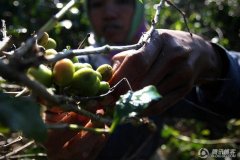
All Kona coffee is hand-picked to ensure only ripe cherries are harvested. This labor-intensive selection process is one reason for the coffee’s high quality. The average Kona coffee bean offers a well-balanced cup with pronounced sweetness and acidity, a smooth mouthfeel, and a flavor profile reminiscent of Central American coffees rather than earthy Indonesian ones.
Why True 100% Kona Coffee Is Rare
Despite its prestige, 100% pure Kona coffee is surprisingly hard to come by. Only about 1,400 hectares are dedicated to Kona production, limiting supply. Moreover, many products labeled as “Kona” or “Kona Blend” may contain as little as 5% actual Kona beans, with the rest coming from cheaper sources. Some sellers even market “blends” where Kona content is minimal or nonexistent.
Genuine 100% Kona coffee does exist, but it’s pricey and often sold directly by estates or trusted importers. When purchasing, especially from brands like Maui Coffee Company (as noted in the original article), it’s possible to find coffee that is truly 100% Kona — no blends, no shortcuts.
Kona’s Place in the Global Coffee Market
Kona coffee occupies a unique niche. It doesn’t fit the profiles of typical African (high acidity), Indonesian (earthy), or Latin American (bold, often rustic) coffees. Instead, it offers a smoother, gentler cup — often compared to coffee “brewed in the breezes of a Hawaiian summer.” For drinkers who find espresso too heavy, African beans too sharp, or South American coffees too wild, Kona can be a refreshing middle ground.
Though neighboring Hawaiian islands like Maui, Kauai, and Molokai have begun cultivating coffee, none have matched the reputation or terroir of the Kona region. And while Kona beans are beautifully suited for filter brewing, their high price and limited availability often relegate them to single-origin pour-overs or premium retail bags.
Frequently Asked Questions
What makes Kona coffee different from other coffees?
Kona coffee is grown in the volcanic soils of Hawaii’s Big Island under ideal microclimates with mineral-rich, acidic yet balanced soil, consistent rainfall, and daily afternoon shade. These conditions create a coffee that is smooth, sweet, and well-balanced with notes of nuts and fruit — quite unlike the earthier or more acidic profiles of many other origins.
Why is 100% Kona coffee so rare?
True 100% Kona coffee comes from just 1,400 hectares of land and requires careful hand-picking. Many products labeled “Kona” or “Kona Blend” contain as little as 5% actual Kona beans. Genuine 100% Kona makes up only a small fraction of coffee sold under that name, which is why it’s both rare and often expensive.
What is peaberry Kona coffee?
Peaberry Kona, or , is a rare natural mutation where a single round coffee bean forms inside the cherry instead of the usual two flat beans. These make up only about 4–5% of Kona’s annual crop and are often considered to have more concentrated flavor due to their unique development.
Does Kona coffee have a distinct flavor profile?
Yes. Kona coffee typically has a medium body, bright but gentle acidity, and flavors of nuts, caramel, and tropical fruit. It lacks the heavy body of espresso roasts or the sharpness of some African coffees, offering instead a smooth, clean, and sweet cup reminiscent of Central American origins.
Where is Kona coffee grown?
Kona coffee is grown exclusively on the volcanic slopes of Hualalai and Mauna Loa in the North and South Kona districts of Hawaii’s Big Island. This small region’s unique climate and soil are central to the coffee’s distinctive qualities.
Why is Kona coffee so expensive?
Kona coffee is expensive due to limited production from just 1,400 hectares, high labor costs (beans are hand-picked), and high demand. Additionally, much of what is sold as Kona is actually a low-percentage blend, further driving up the price of certified 100% Kona beans.
Recommended FrontStreet Beans for Kona Fans
Try FrontStreet Coffee’s Panama Humbera for bright floral and citrus notes akin to Kona’s clarity, or their Ethiopia Humbera for fruity complexity with a similar balance. Both are single-origin coffees that highlight clarity and nuanced sweetness — qualities Kona drinkers often seek. Freshly roasted within 5 days · Orders placed before 17:00 ship the same day · Next-day delivery across most of Guangdong Province.
FrontStreet Coffee is a long-established specialty coffee roaster in Guangzhou China, selling freshly roasted beans from its own farm in Yunnan as well as dozens of carefully selected single-origin beans from around the world for both pour-over and espresso. The products deliver consistently excellent quality and great value, with shipping within 24 hours. Guangzhou's FrontStreet Coffee shop is recommended by many coffee lovers, and the beans are now available online at the Tmall 。
Important Notice :
前街咖啡 FrontStreet Coffee has moved to new addredd:
FrontStreet Coffee Address: 315,Donghua East Road,GuangZhou
Tel:020 38364473