How Kopi Luwak Coffee Is Made and Why It’s So Expensive
Ever wondered why some coffees cost hundreds of dollars per pound? The answer often comes down to extreme rarity and an unusual backstory. Among the most infamous — and debated — is Kopi Luwak, a coffee that isn’t just rare, but produced in a way no other coffee is. But what exactly makes it so unique, and is the hype justified?
Kopi Luwak, also known as civet coffee, costs around $300 per pound and is produced in quantities of just 500 pounds per year. Its extreme price comes from both its scarcity and the bizarre method of production, where coffee cherries are eaten and excreted by the Asian palm civet.
What Is Kopi Luwak Coffee?
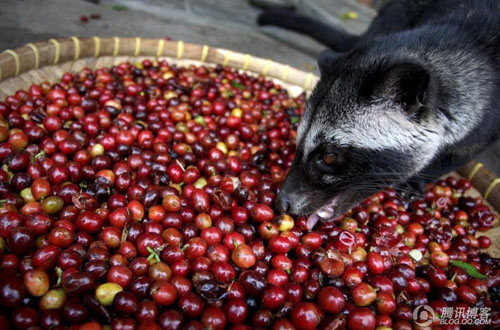
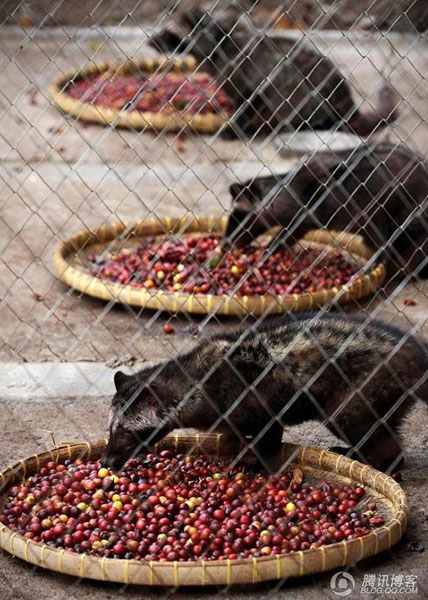
Kopi Luwak originates from Indonesia, where it is made from coffee beans that have passed through the digestive system of the Asian palm civet — a small, tree-dwelling mammal also known as a luwak. These animals are native to the Indonesian islands and are part of the viverrid family. The beans are eaten as part of the civet’s natural diet, specifically when they consume ripe coffee cherries. What makes Kopi Luwak different is not the bean itself, but the fermentation process that occurs inside the civet’s gastrointestinal tract.
The Unique — And Controversial — Production Process
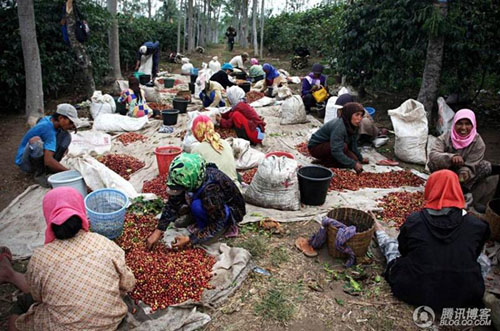
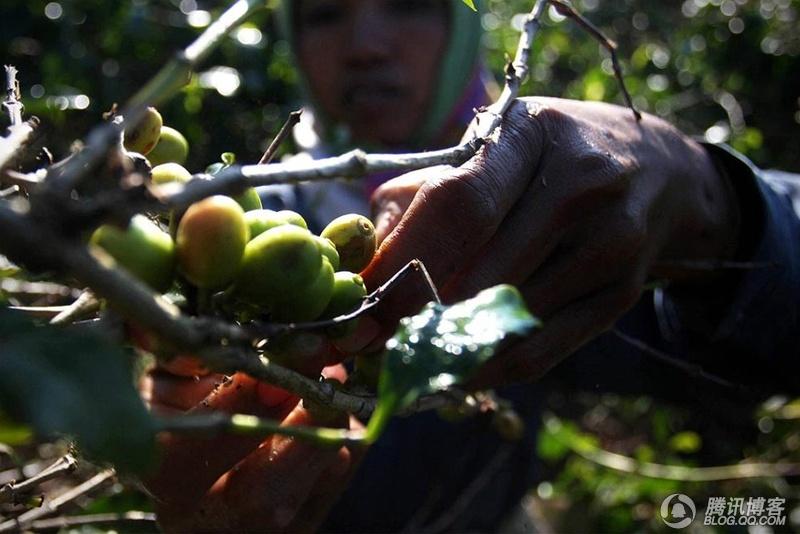
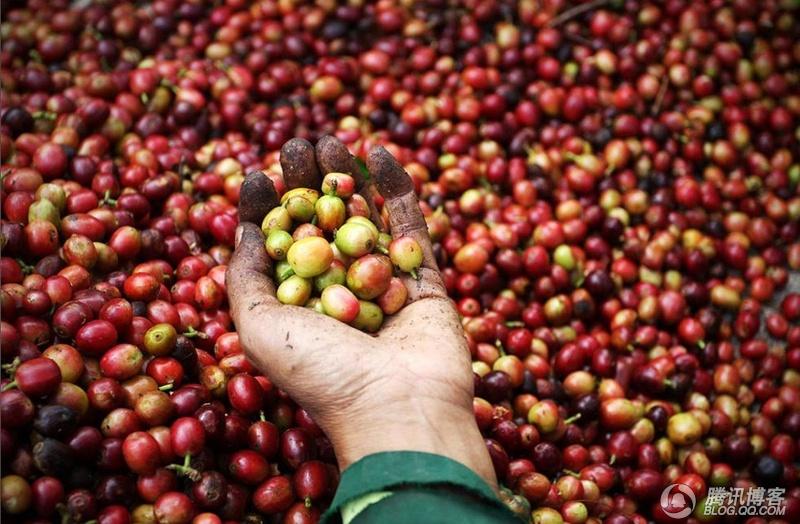
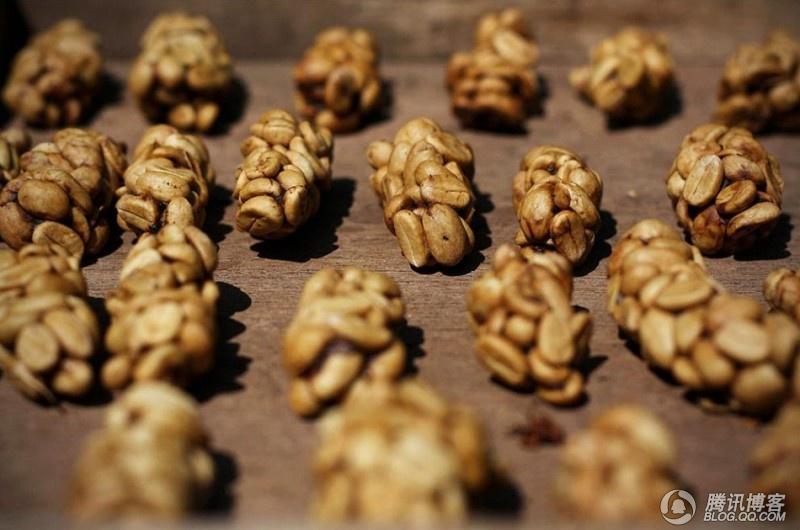
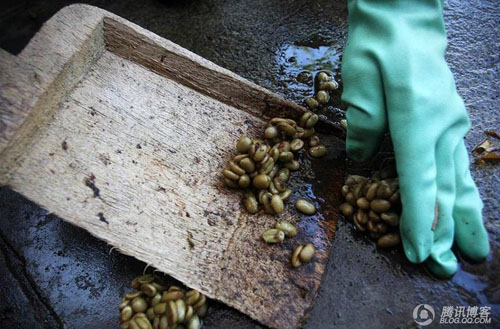
The process begins with civets selecting and eating only the ripest, reddest coffee cherries. Inside the civet’s digestive system, gastric acids and enzymes ferment the beans, altering their protein structure. After digestion, the beans are excreted intact, still encased in some of the fruit’s mucilage. Workers then collect the droppings, wash the beans thoroughly, and dry them. The remaining steps — hulling, sorting, and roasting — are similar to regular coffee production.
Proponents claim that the enzymes in the civet’s stomach break down proteins responsible for bitterness, resulting in a smoother, less acidic cup with a syrupy body and chocolatey undertones. Critics argue that the exotic production process overshadows more pressing concerns, particularly animal welfare and authenticity in modern production.
Why Is Kopi Luwak So Rare and Expensive?
Kopi Luwak’s rarity stems from its labor-intensive and low-yield production. Each year, only about 500 pounds of civet coffee are produced worldwide. The beans must be carefully gathered from civet feces, cleaned, and processed by hand. The limited supply, combined with high demand and the novelty factor, drives the price to around $300 per pound. In the early 2000s, interest in Kopi Luwak soared after appearances in media and documentaries, including a notable segment in National Geographic and a scene in the film The Bucket List, where Morgan Freeman’s character reacts with dry humor to the coffee’s origins.
Originally, locals in Indonesia discouraged the civets from eating coffee cherries. However, once the unique flavor potential was discovered, they began encouraging the behavior, collecting the beans from the animals’ droppings. The process was initially met with skepticism, but importers like M.P. Mountanos spent years verifying its legitimacy and securing consistent supplies for the U.S. market.
How Does Civet Digestion Change the Coffee Flavor?
Unlike conventional coffee processing methods such as washed (wet) or natural (dry) processing, Kopi Luwak relies on internal fermentation within the civet’s digestive tract. The animal’s stomach acids and enzymes are believed to reduce the bitterness typically associated with coffee by breaking down storage proteins. This results in a cup that many describe as smooth, rich, and full-bodied, with tasting notes often compared to dark chocolate, honey, and caramel. The texture is frequently noted as syrupy or molasses-like, with a long, lingering aftertaste.
It’s important to note that the actual impact of this fermentation process is still debated among coffee experts. Scientific studies on the chemical changes in the beans post-digestion are limited, and some argue that the perceived quality may be influenced as much by rarity and psychology as by objective taste differences.
Frequently Asked Questions
What is Kopi Luwak coffee?
Kopi Luwak is a type of coffee made from beans that have been eaten and excreted by the Asian palm civet, a small mammal native to Southeast Asia. The beans ferment in the civet’s digestive system, which proponents say leads to a smoother and less bitter cup. It is also known as civet coffee or luwak coffee.
Why is Kopi Luwak so expensive?
Kopi Luwak costs up to $300 per pound largely due to its rarity. Only about 500 pounds are produced each year. The beans must be collected manually from civet feces, cleaned, and processed, making production extremely labor-intensive and limited in scale.
How is Kopi Luwak produced?
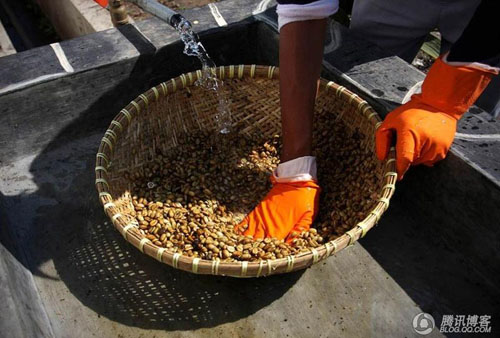
Civets eat ripe coffee cherries, digest the fruit, and excrete the beans. Workers collect the droppings, clean the beans, and process them as normal coffee. The key difference is the internal fermentation in the civet’s stomach, which alters the beans’ flavor profile.
Does civet digestion really improve coffee flavor?
Many drinkers report that Kopi Luwak has a smoother, less acidic taste with chocolatey and syrupy notes. However, the extent to which the civet’s digestion genuinely enhances flavor is debated, and some attribute the appeal more to the novelty and rarity than to measurable taste improvements.

Is Kopi Luwak production ethical?
Modern concerns about Kopi Luwak largely focus on animal welfare. In some commercial operations, civets are kept in poor conditions and force-fed coffee cherries. Ethical sourcing and transparency are major issues in the industry, and buyers should research producers carefully.
Where does Kopi Luwak come from?
Kopi Luwak originates from Indonesia, particularly from islands like Sumatra, Java, and Sulawesi. The Asian palm civet, which consumes the coffee cherries, is native to these regions. The practice has since spread to other countries, but Indonesia remains the traditional source.
Recommended FrontStreet Beans for Exploring Unique Coffee Profiles
If you're curious about rare and distinctive coffee flavors, try FrontStreet Coffee's Brazil Queen Manor Yellow Bourbon for its creamy sweetness and intense fruit notes, or the PWN Golden Mandheling for its classic heavy body and syrupy mouthfeel. For something more vibrant and complex, the Kenya Little Tomato offers bright acidity and bold fruit flavors. All showcase how terroir and processing shape coffee beyond the ordinary. Freshly roasted within 5 days · Orders placed before 17:00 ship the same day · Next-day delivery across most of Guangdong Province.
FrontStreet Coffee is a long-established specialty coffee roaster in Guangzhou China, selling freshly roasted beans from its own farm in Yunnan as well as dozens of carefully selected single-origin beans from around the world for both pour-over and espresso. The products deliver consistently excellent quality and great value, with shipping within 24 hours. Guangzhou's FrontStreet Coffee shop is recommended by many coffee lovers, and the beans are now available online at the Tmall 。
Important Notice :
前街咖啡 FrontStreet Coffee has moved to new addredd:
FrontStreet Coffee Address: 315,Donghua East Road,GuangZhou
Tel:020 38364473