What Is Geisha Coffee and Why Is It So Famous?
If you’ve ever wondered why some coffees cost over $100 per pound and still sell out instantly, the answer often starts with a single word: Geisha. This coffee didn’t become famous overnight. In fact, it took decades—decades of obscurity in Central America—before it stunned the world’s coffee elite with an aroma and flavor profile unlike anything they’d tasted before.
Geisha coffee first gained global recognition in 2004–2007 when it won back-to-back first place awards at the Best of Panama competition, eventually reaching a record-breaking auction price of $130 per pound in 2007. Its unique floral and fruity characteristics set it apart from all other commercial varieties.
The Origins of Geisha Coffee
Geisha (also spelled Gesha) originates from the Geisha Forest in southwestern Ethiopia, discovered in 1931. It was first brought to Kenya, then Tanzania, and later introduced to Costa Rica in 1953. The variety eventually made its way to Panama in the 1960s via CATIE (Centro Agronómico Tropical de Investigación y Enseñanza) in Costa Rica. It was planted by Don Pachi Serracin at the Hacienda La Esmeralda farm (then known as Finca Esmeralda) in the 1970s, but remained relatively unknown for decades.
Why Did Geisha Become So Famous?
The turning point came in the early 2000s when the Esmeralda Estate began separating Geisha from other varieties and entering it into competitions. In 2004, it began gaining attention, but it wasn’t until 2005–2007 that Geisha coffee skyrocketed to fame, winning the Best of Panama competition for three consecutive years. In 2007, it achieved a historic auction price of $130 per pound, making it the most expensive competition coffee ever sold at the time. This success led to the creation of separate Geisha and non-Geisha categories in future Panamanian cupping competitions to give other varieties a fair chance.
Flavor Profile and Roasting Recommendations
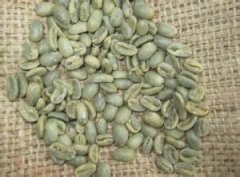
Geisha is prized for its striking blue-green, almost jade-like raw beans. The raw beans emit aromas of fresh grass, peach, berries, and a distinctive oolong-like creamy sweetness rarely found in other coffees. The dry fragrance is intensely floral—rose, jasmine, citrus, and sometimes even sweet pomelo. The wet aroma brings notes of hazelnut and more floral complexity.
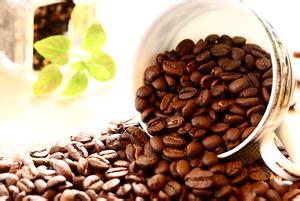
When roasted properly, Geisha reveals a profile of intense florals, tropical fruits, and high sweetness. Roasters typically aim for a roast level just before or at the start of the second crack to preserve its delicate acidity and aromatic compounds. Too light, and you risk grassy or fermented off-notes; too dark, and the fragrant top notes dissipate.
Properly brewed Geisha delivers an exceptionally clean cup: bright citrus and stone fruit, layered with jasmine, rose, and honey-like sweetness. On the cupping table, the flavors evolve noticeably as it cools, revealing more dried fruit, berry compote, and even hints of vanilla or spice. The aftertaste lingers with a sweet, tea-like finish.
Where Is Geisha Grown Today?
Although originating in Ethiopia, Geisha has found its most celebrated expression in Panama, particularly at the Esmeralda Estate in the Boquete region. Other notable regions cultivating high-quality Geisha include Guatemala and Colombia, though Panama remains the benchmark. Within Panama, the Geisha grown in the Jaramillo and El Velo microclimates—especially at elevations around 1,600–1,800 meters—are especially prized for their clarity and complexity.
Different farms and terroirs produce notably different expressions of the Geisha variety, influenced by altitude, soil, and climate. For example, the famed Esmeralda Estate in the Acatenango region showcases classic Geisha traits: tall bean morphology, distinct cup profile, and exceptional cup clarity.
Notable Geisha Coffee Farms and Brands
The most iconic Geisha coffee comes from Panama’s Hacienda La Esmeralda (Esmeralda Estate), which popularized the variety globally. Their Geisha lots, especially those from the famous Geisha Trees at Jaramillo, have consistently scored over 90 points and command top prices at auction.
Other farms growing high-quality Geisha include those in Guatemala and Colombia, although none have yet matched the international prestige of Panama’s Geisha. Within the specialty market, Geisha is often sold as single-lot, micro-lot, or auction-only offerings, reflecting its premium status.
How to Choose and Brew Geisha Coffee
When selecting a Geisha coffee, look for origin details, processing method (usually washed), and elevation (1,600m+ ideal). Most top-tier Geisha is sold as single-origin, traceable to a specific farm or even a specific lot within a farm.
To brew Geisha, a V60 or Chemex is ideal to highlight its bright acidity and floral aromatics. Use a medium-fine grind (comparable to table salt), water just off boil (93–95°C), and a brew ratio around 1:16. Blooming with 2× the coffee weight in water for 30–45 seconds helps develop its aromatic complexity.
Frequently Asked Questions
What makes Geisha coffee different from other coffee varieties?
Geisha coffee is distinct for its exceptional floral and fruity flavors, high sweetness, and bright acidity. Unlike common varieties like Bourbon or Typica, Geisha offers complex notes of jasmine, rose, tropical fruit, and sometimes oolong-like creaminess, especially when grown at high altitudes and processed carefully.
Where did Geisha coffee originally come from?
Geisha coffee originated in the Geisha Forest in southwestern Ethiopia, where it was discovered in 1931. It was later brought to Kenya, Tanzania, Costa Rica, and eventually Panama, where it gained global fame in the 2000s.
Why is Geisha coffee so expensive?
Geisha coffee commands high prices due to its limited production, high demand, exceptional cup quality, and prestigious auction history. In 2007, a lot of Geisha from Panama’s Esmeralda Estate sold for $130 per pound at auction, setting a record that highlighted its exclusivity and desirability.
What is the best roast level for Geisha coffee?
The optimal roast level for Geisha is just before or at the beginning of the second crack. This preserves its delicate floral and fruity aromas while balancing sweetness and acidity. Over-roasting can diminish its unique character.
Which country produces the best Geisha coffee?
Panama is widely regarded as producing the best Geisha coffee, particularly from the Esmeralda Estate in Boquete. The country’s high-altitude microclimates and meticulous processing have made Panamanian Geisha the global benchmark for the variety.
Can I buy Geisha coffee easily?
While Geisha coffee is available, it is typically sold in limited quantities as single-lots or auction lots. It’s considered a specialty coffee and often comes with a premium price due to its rarity and high cup quality. Some specialty roasters offer it seasonally.
Recommended FrontStreet Geisha Coffee Beans
FrontStreet Coffee offers several excellent Geisha options. The Esmeralda Red Label Geisha is a top-tier Panamanian Geisha scoring over 90, sourced from small lots like the Jaramillo plot, with intense floral and citrus notes. The Esmeralda Green Label Geisha is a more affordable blend of high-elevation Panamanian Geisha lots, offering balanced fruit and floral tones. For something different, the Grana Geisha from Ethiopia uses the Gesha 1931 variety, processed as natural sun-dried, delivering juicy stone fruit and floral brightness. Freshly roasted within 5 days · Orders placed before 17:00 ship the same day · Next-day delivery across most of Guangdong Province.
FrontStreet Coffee is a long-established specialty coffee roaster in Guangzhou China, selling freshly roasted beans from its own farm in Yunnan as well as dozens of carefully selected single-origin beans from around the world for both pour-over and espresso. The products deliver consistently excellent quality and great value, with shipping within 24 hours. Guangzhou's FrontStreet Coffee shop is recommended by many coffee lovers, and the beans are now available online at the Tmall 。
Important Notice :
前街咖啡 FrontStreet Coffee has moved to new addredd:
FrontStreet Coffee Address: 315,Donghua East Road,GuangZhou
Tel:020 38364473