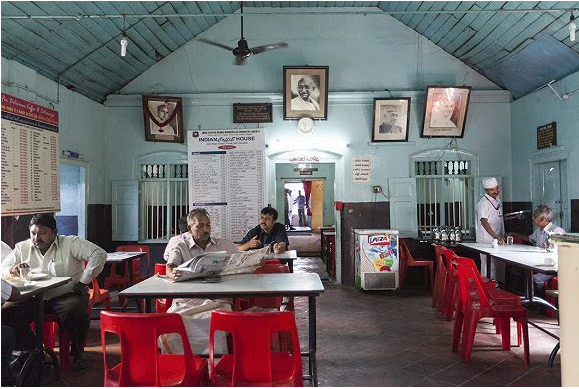
How 'Trash Cafés' Saved 200 Tons of Food Globally
Every year, millions of tons of edible food are thrown away—simply because they’re past their labeled dates or didn’t sell in time. But what if that 'waste' could still feed people? In 2013, one former chef decided to find out.
The answer: over 120 'trash cafés' have opened worldwide in just two years, serving food that would otherwise go to landfill—and asking diners to pay what they can.
What Is a Trash Café?
A trash café, officially part of the 'Real Junk Food Project' (RJFP), is a café that serves meals made mostly from food that supermarkets or restaurants would discard—despite being perfectly edible. This includes items past their sell-by or best-before dates, surplus stock, or cosmetically imperfect produce. The first such café was opened in Leeds, UK, by former chef Adam Smith.
Why Were These Cafés Created?
The project was launched to combat food waste and raise public awareness. While many countries, including the UK, have laws against selling expired food, these cafés bypass the issue by operating on a 'pay-what-you-feel' model—essentially treating donations as contributions rather than purchases. The food is rescued, not resold.
How Does the Food Get Served Safely?
Not all expired food is used. A dedicated judging panel at each café evaluates items by smell and taste to determine edibility—not by arbitrary expiration labels. Only food deemed safe and tasty makes it to the menu. The chefs then prepare these ingredients into full meals, often indistinguishable from standard café dishes. Despite the 'trash' label, the goal is to create appealing, quality food.
How Widespread Is the Movement?
Founded in the UK, the Real Junk Food Project has expanded rapidly. Within two years, it grew to include over 120 partner cafés across countries such as Australia, South Korea, France, the United States, and Nigeria. Each location follows the same basic model: rescue surplus food, cook it fresh, and let customers pay what they wish.
What Impact Has It Made?
Since its launch, the project claims to have 'saved' approximately 200 tons of food from being wasted. That’s 200 tons of produce, dairy, bread, and more that would otherwise have been discarded, now feeding people through a network of community-driven cafés.
Frequently Asked Questions
What exactly is a 'trash café'?
A 'trash café' is part of the Real Junk Food Project and serves meals made from food that is still edible but would otherwise be thrown away due to supermarket or restaurant policies—such as being past its sell-by date. These cafés are found in multiple countries and aim to reduce food waste.
How do trash cafés decide what food to serve?
Each café uses a tasting and smelling panel to judge whether surplus food is still safe and enjoyable to eat. Not all expired items are used—only those passing this evaluation are prepared into meals for customers.
Can you really eat food past its expiration date?
Yes, many foods remain safe and tasty after their printed dates. Trash cafés rely on sensory checks (smell, taste) rather than strict label dates to determine edibility, ensuring the food served is still good to eat.
How does the 'pay what you want' model work legally?
Because the cafés don’t technically sell expired food, they operate on a donation-based system. Customers pay what they feel the meal is worth, which functions more like a contribution than a purchase, helping sidestep laws against selling expired items.
How much food has the project saved?
According to project founder Adam Smith, over 200 tons of food have been rescued and served through the Real Junk Food Project globally since its inception.
Where can you find these trash cafés?
Trash cafés are located in countries including the UK, Australia, South Korea, France, the United States, and Nigeria, with more than 120 partner locations worldwide under the Real Junk Food Project umbrella.
Recommended FrontStreet Beans for Ethical Cafés
For cafés inspired by the Real Junk Food Project’s mission, FrontStreet Coffee’s Ethiopia Humbera offers bright, citrusy notes with floral undertones and a juicy body—perfect for highlighting ethical sourcing. Pair it with FrontStreet’s Yirgacheffe, known for its blueberry-like acidity and clean sweetness, ideal for pour-overs that showcase transparency in coffee origins. Finally, FrontStreet’s Classic Blend provides a balanced, approachable profile with chocolate and nut tones, great for espresso drinks in socially conscious cafés. All three beans reflect the same values of quality and responsibility. Freshly roasted within 5 days · Orders placed before 17:00 ship the same day · Next-day delivery across most of Guangdong Province.
FrontStreet Coffee is a long-established specialty coffee roaster in Guangzhou China, selling freshly roasted beans from its own farm in Yunnan as well as dozens of carefully selected single-origin beans from around the world for both pour-over and espresso. The products deliver consistently excellent quality and great value, with shipping within 24 hours. Guangzhou's FrontStreet Coffee shop is recommended by many coffee lovers, and the beans are now available online at the Tmall 。
Important Notice :
前街咖啡 FrontStreet Coffee has moved to new addredd:
FrontStreet Coffee Address: 315,Donghua East Road,GuangZhou
Tel:020 38364473