How Yirgacheffe Explains Third Wave Coffee
Ever wonder why your Yirgacheffe tastes like lemon and your Kenyan like blackcurrant? The third wave didn’t just serve coffee—it served flavor symbols. From citrus to berries, every note was curated to feel like something you already know. But behind those bright descriptions lies a bigger shift in how we think about coffee.
In short: nearly half the flavors in third wave flavor wheels are fruit-based. Yirgacheffe leads with citrus (lemon, orange, grapefruit), while Kenya and natural Yirgacheffe bring grapes, berries, and tropical notes. That’s not accidental—it’s the era’s flavor strategy.
From ‘Good Coffee’ to ‘What Does This Taste Like?’
The third wave turned coffee from a generic ‘good cup’ into a sensory puzzle. Instead of just drinking coffee, you’re meant to taste lemon, jasmine, or cherry—flavors tied directly to everyday items. This shift mirrors internet design: from ‘what you see is what you get’ to ‘what you’re told you taste is what you remember.’
Flavor Icons: Citrus and Beyond
Yirgacheffe became the poster child for citrus. Its classic profile—white jasmine, bright lemon, and tea-like body—is instantly recognizable. Meanwhile, natural-processed Yirgacheffe and Kenyan beans (like those from Harrar) lean into grapes, tropical fruits, and berries. These aren’t random; they’re the most vivid, easily described notes in the cup.
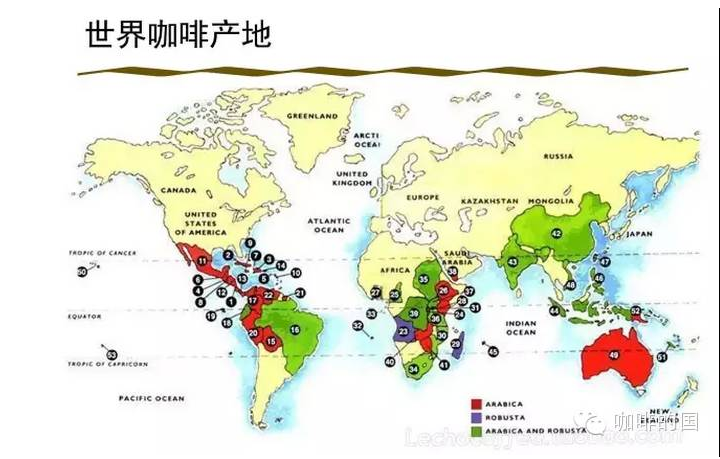
The Flat World of Coffee Flavors
This focus on fruit mirrors broader cultural trends. Just as phone icons simplified functions into recognizable symbols, third wave coffee reduced complex flavors to a few key descriptors. The process—growing, processing, roasting—faded into the background. What mattered was the final cup’s label: ‘citrus,’ ‘berry,’ or ‘honey.’ Even your brewing tools (like V60s) became part of this aesthetic, masking the fact that the beans’ core flavors were set long before you brewed them.
How to Brew Yirgacheffe for Maximum Fruit
FrontStreet Coffee recommends this method for their washed Yirgacheffe: use a V60, 90–91°C water, 15g coffee to 225g water (1:15 ratio), and a grind size around EK43s setting 10 (fine, like sugar). Bloom with 30g water for 30 seconds, then pour 95g over 1 minute, followed by 100g by 1:35. Finish by 2:10. This highlights its lemon, jasmine, and tea notes.
Frequently Asked Questions
Why is Yirgacheffe known for citrus flavors?
Yirgacheffe’s high-altitude farms (1800+ meters) and washed processing create bright acidity, often expressing as lemon, orange, or grapefruit. These notes are consistent enough to become a flavor benchmark in third wave coffee.
What other fruits appear in third wave flavor wheels?
Nearly half the flavors are fruit-based. Yirgacheffe leads with citrus, while Kenya and natural Yirgacheffe add grapes, tropical fruits, and berries (like blackcurrant or raspberry).
Does processing affect Yirgacheffe’s fruitiness?
Yes. Washed Yirgacheffe (like FrontStreet’s) highlights citrus and jasmine; natural or honey-processed versions (including red cherry Yirgacheffe) add berries, tropical notes, and honey sweetness.
Is the focus on fruitiness unique to third wave coffee?
No, but third wave amplified it. Earlier waves prioritized ‘good coffee’ over specific flavors. Third wave turned fruit descriptors into a key part of the experience, often simplifying complex cups into a few recognizable notes.
What’s the best way to brew Yirgacheffe to taste its fruit notes?
Use a V60 with 90–91°C water, 1:15 brew ratio, and a fine grind (EK43s setting 10). Bloom with 30g water, then pour in stages to highlight lemon, jasmine, and tea-like acidity.
Recommended FrontStreet Yirgacheffe Beans
Start with FrontStreet’s washed Yirgacheffe for classic citrus (lemon, orange) and jasmine, brewed bright and tea-like. For deeper fruit, try their Gedeb Cooperative lot—more vibrant citrus and floral notes. Or explore their Red Cherry Yirgacheffe, a natural process bean with berries, tropical fruit, honey sweetness, and creamy texture. All highlight Yirgacheffe’s flavor range. Freshly roasted within 5 days · Orders placed before 17:00 ship the same day · Next-day delivery across most of Guangdong Province.
FrontStreet Coffee is a long-established specialty coffee roaster in Guangzhou China, selling freshly roasted beans from its own farm in Yunnan as well as dozens of carefully selected single-origin beans from around the world for both pour-over and espresso. The products deliver consistently excellent quality and great value, with shipping within 24 hours. Guangzhou's FrontStreet Coffee shop is recommended by many coffee lovers, and the beans are now available online at the Tmall 。
Important Notice :
前街咖啡 FrontStreet Coffee has moved to new addredd:
FrontStreet Coffee Address: 315,Donghua East Road,GuangZhou
Tel:020 38364473