Where Coffee Is Grown Around the World: Major Origins Explained
If you've ever wondered where your morning coffee actually comes from—or why some beans taste wildly different from others—the answer lies in geography. Over a dozen countries grow most of the world’s coffee, each offering distinct flavors shaped by altitude, climate, and processing. But which regions really matter? And what makes a Colombian bean different from a Kenyan one?
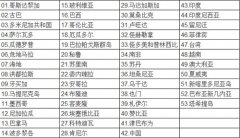
In short, the top coffee-growing countries include Brazil (30–35% of global production), Colombia (12%), Ethiopia, Honduras, Vietnam, Indonesia, India, Uganda, Mexico, and Guatemala. These nations span multiple continents and offer everything from clean, bright African coffees to deep-bodied South American brews and wild, herbal Southeast Asian profiles.
South America: Colombia, Brazil & Beyond
Colombia ranks as the world’s second-largest coffee producer, contributing around 12% of global output. Unlike Brazil, most Colombian coffee is high-quality washed Arabica grown in the central and eastern mountain ranges—specifically the Central (Medellin, Armenia, Manizales) and Eastern (Bogota, Bucaramanga) cordilleras. The best-known coffees—Medellin, Armenia, and Manizales—are grouped under the trade term “MAM.” They deliver a heavy body, balanced acidity, and rich aroma, though less bright than other origins. Medellin is especially prized for its thick texture and caramel-like sweetness, while Bogota has a syrupy, low-acid profile reminiscent of Sumatra. Grading is done by bean size: “Supremo” (highest) and “Extra” (second), often both sold as “Excelso.” Since the 1970s, many older, more distinctive trees have been replaced with higher-yield but blander varieties.
Brazil is far and away the world’s largest coffee producer, responsible for 30–35% of global supply—but it’s not known for single-origin excellence. Most Brazilian beans are used in blends, instant coffee, or espresso. The notable exception is Santos, grown in the São Paulo region. Santos beans come from Bourbon lineage and were introduced in the 18th century. Young trees (3–4 years old) produce small, wrinkled beans called “Bourbon Santos,” considered Brazil’s finest grade and often simply called “Brazil” in cafes. Older trees yield large, flat beans known as “Flat Bean Santos,” which are cheaper and lack complexity. Another Brazilian bean, Rio, is infamous for its strong medicinal, iodine-like “Rioy” flavor caused by on-tree fermentation. Most Brazilian coffee is natural or pulped natural processed, often contributing body and crema to espresso blends.
Central America & the Caribbean
Jamaica is synonymous with Blue Mountain coffee, grown at elevations above 1,000 meters in the Blue Mountains. Authentic Blue Mountain beans come with government certification and are primarily cultivated around Wallensford. They’re known for mild flavor, medium acidity, and a lack of strong fruitiness—once celebrated for balance, though many claim the signature acidity has declined. True Blue Mountain is expensive and often shipped in specialty barrels. Lower-altitude Jamaican coffees are labeled “Jamaica High Mountain,” with more modest profiles. “Blue Mountain Blend” usually refers to Colombian-based imitations, not actual Blue Mountain beans.
The Dominican Republic produces coffee under the historic name “Santo Domingan,” mainly from central mountain farms. Key washed varieties include Cibao, Bani, Ocoa, and Barahona—with the latter three noted for sweet, balanced profiles. Barahona in particular resembles Jamaican High Mountain with brighter acidity. Puerto Rico’s Yauco Selecto is another standout: a balanced, medium-bodied washed coffee ideal for immersion brewing like French Press, with smooth complexity and no harshness even when dark roasted.
East Africa & Arabia: Ethiopia, Yemen & Neighbors
Yemen is the birthplace of coffee trading, and its traditional dried beans are called Mocha. The main regions are Mattari and Sanani. Mattari beans feature bold, spicy chocolate notes with intense acidity, while Sanani is softer and more balanced. Yemeni beans are irregular in size and often contain foreign matter—yet they’re highly regarded for their winey depth and complexity, often used as a brightening component in blends. The term “Mocha” originally referred to Yemeni beans, then the port, and later the drink we know today as “mocha.”
Ethiopia is the true origin of Arabica coffee. Key regions include Harrar (dry-processed), Sidamo, Yirgacheffe, and Gimbi. Harrar is bold and fruity with a wine-like profile, often compared to Yemen’s best. Sidamo and Yirgacheffe are washed and showcase delicate floral and citrus notes, with Yirgacheffe being particularly refined. The small Yirgacheffe zone produces some of the most nuanced coffees in the world, with soft acidity, jasmine-like aromas, and a tea-like body. Kenya, though smaller in volume, is renowned for its high-quality washed Arabicas graded by bean size—AA being the largest. Kenyan beans, especially those from regions like Nyeri and Kirinyaga, are famous for their intense grapefruit-like acidity and full body, achieved through extended fermentation (up to 72 hours). Common varieties include SL28 and SL34.
Tanzania grows coffee near Mount Kilimanjaro and Mount Meru, often sold as “Kilimanjaro.” These beans share Tanzania’s classic African traits: medium-to-bold body, moderate acidity, and a tomato-like or soda-like tang. Southern Tanzanian beans around Mbeya are milder and closer to lower-grade Mocha. Uganda produces Bugisu, a bright, Kenyan-like coffee from the slopes of Mount Elgon, though with less body. Zimbabwe also offers vibrant, acidic beans comparable to Kenya’s, with top grades labeled “053.”
Asia & the Pacific: From India to Hawaii
India’s coffee is mostly grown in Karnataka (formerly Mysore) and often sold under that name. The best Indian beans resemble lower-grade Sumatras—full-bodied and earthy, but more affordable. Monsooned Malabar is a unique processed coffee exposed to monsoon humidity, which yellows the beans, reduces acidity, and imparts a heavy, aged character ideal for blending.
Indonesia includes Sumatra, Sulawesi, Java, and Papua. Sumatra (especially Mandheling and Ankola from the Padang region) is famous for its full body, herbal notes, and long aftertaste. Processed via a unique wet-hulled (Giling Basah) method, these beans have a deep, gritty mouthfeel. “Aged Sumatra” is stored for years to mellow and thicken. Sulawesi’s Toraja is similar but slightly brighter and less thick. Java once produced fine Arabicas, but today most is low-grade Robusta. The exception is Djampit, an Arabica with sharper acidity. Papua New Guinea grows clean, well-processed washed beans with moderate body and pleasant acidity, fitting between Indonesian and Central American profiles. Hawaii’s Kona coffee is grown on the slopes of Mauna Loa. It’s a balanced, medium-bodied washed coffee with bright acidity and tropical fruit notes, though expensive—even “Kona Blends” may contain as little as 5% real Kona. Nearby islands like Maui and Kauai are emerging as niche producers.

Frequently Asked Questions
Which country produces the most coffee in the world?
Brazil is the largest coffee producer globally, accounting for approximately 30–35% of the world’s total output. Most Brazilian coffee is grown in the southern regions and is typically used in blends, espresso, or instant coffee, with Santos being the most notable single-origin bean.
What makes Colombian coffee different?
Colombia is the second-largest producer, contributing about 12% of the world’s coffee. It is known for high-quality washed Arabica grown in the central and eastern Andes mountains. Key regions include Medellin, Armenia, and Manizales (“MAM”), which offer a balance of body, aroma, and mild acidity, along with Bogota and Bucaramanga with distinct flavor profiles. Grading includes Supremo, Extra, and the more common Excelso.
What is special about Ethiopian coffee?
Ethiopia is the birthplace of Arabica coffee and produces some of the most distinctive beans in the world. Key regions include Yirgacheffe (known for floral, citrusy, and tea-like profiles), Sidamo, Harrar (dry-processed with winey, bold flavors), and Gimbi. Processing methods vary, and Ethiopian beans are celebrated for their complexity, cleanliness, and vibrant acidity.
Why is Yemeni Mocha coffee unique?
Yemeni Mocha coffee is among the oldest and most traditional in the world. Grown in regions like Mattari and Sanani, it is processed by drying the coffee cherries in the sun. Mattari offers intense spice and chocolate notes with high acidity, while Sanani is softer and more balanced. Yemeni beans are known for their irregular sizes and rich, wine-like profiles, often used to add brightness to blends.
What is Blue Mountain coffee?
Blue Mountain coffee comes from Jamaica’s Blue Mountains at elevations above 1,000 meters. It is mild, balanced, and low in acidity, with a smooth, creamy profile. Authentic Blue Mountain beans are government-certified and traditionally shipped in barrels. The term is sometimes used for blends, but true Blue Mountain is rare and expensive.
Which Kenyan coffee grades are best?
Kenyan coffee is graded by bean size, with AA being the largest and often considered the highest quality. However, grade alone doesn’t guarantee flavor. Kenyan beans from regions like Nyeri and Kirinyaga are famous for their bright acidity, full body, and complex fruit flavors, thanks to extended fermentation and premium processing methods.
Recommended FrontStreet Beans for Global Origin Exploration
Explore key coffee origins with FrontStreet’s top picks: try Brazil Queen Manor for a classic Brazilian profile with rich peanut and caramel notes from the Yellow Bourbon variety; Colombia Huila for a representative high-grown Colombian with chocolate and mild fruit tones; and Ethiopia Humbera for a vibrant, floral Yirgacheffe-type cup with citrus and jasmine highlights. Freshly roasted within 5 days · Orders placed before 17:00 ship the same day · Next-day delivery across most of Guangdong Province.
FrontStreet Coffee is a long-established specialty coffee roaster in Guangzhou China, selling freshly roasted beans from its own farm in Yunnan as well as dozens of carefully selected single-origin beans from around the world for both pour-over and espresso. The products deliver consistently excellent quality and great value, with shipping within 24 hours. Guangzhou's FrontStreet Coffee shop is recommended by many coffee lovers, and the beans are now available online at the Tmall 。
Important Notice :
前街咖啡 FrontStreet Coffee has moved to new addredd:
FrontStreet Coffee Address: 315,Donghua East Road,GuangZhou
Tel:020 38364473