The 53 Coffee-Producing Countries Every Coffee Drinker Should Know
If you’ve ever stared at a bag of specialty coffee and wondered where exactly it came from—or why some beans taste wildly different from others—the answer starts with origin. But how many coffee-growing countries are there? And why does origin even matter when choosing beans? Whether you’re cupping a washed Yirgacheffe or a fruity Ethiopian Sidra, understanding the basics of coffee-producing nations helps you make better choices and appreciate your brew even more.
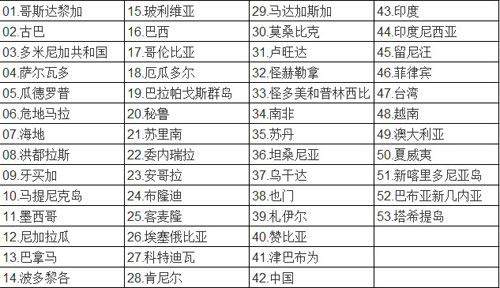
There are 53 countries worldwide recognized for producing coffee—each contributing unique flavor profiles shaped by climate, altitude, and processing methods. These range from well-known origins like Ethiopia and Colombia to lesser-known producers such as Burundi and Honduras. This list includes both major exporters and small-scale growers shaping the future of specialty coffee.
What Defines a Coffee-Producing Country?
A “coffee-producing country” is one where coffee is cultivated, harvested, and exported at any notable commercial scale. Not all produce specialty-grade beans, but all are part of the global coffee chain. The distinction often lies in altitude, climate suitability, and whether the beans are Arabica or Robusta dominant.
The 53 Recognized Coffee-Producing Countries
Globally, coffee is grown across the Bean Belt—the tropical region between the Tropics of Cancer and Capricorn. The 53 coffee-producing countries include:
- Africa: Ethiopia, Kenya, Tanzania, Uganda, Rwanda, Burundi, Democratic Republic of Congo, Zambia, Malawi, Zimbabwe, Mozambique, Madagascar, Côte d’Ivoire, Ghana, Nigeria, Cameroon, São Tomé and Príncipe, Guinea, Liberia, Sierra Leone, Togo, Central African Republic
- Latin America: Brazil, Colombia, Honduras, Guatemala, El Salvador, Nicaragua, Costa Rica, Panama, Mexico, Peru, Bolivia, Ecuador, Venezuela, Haiti, Cuba, Jamaica, Dominican Republic, Puerto Rico
- Asia & Pacific: Indonesia (including Java, Sumatra, Sulawesi, Bali, Flores), Vietnam, India, Thailand, Philippines, Papua New Guinea, China (Yunnan), Taiwan, Timor-Leste, Japan (experimental), Australia (experimental)
Each country offers unique growing conditions. For instance, Ethiopia is the genetic birthplace of Arabica, while Brazil leads global production volume. Colombia is known for balanced medium profiles, and Yemen for its historic cultivation of coffee at high altitudes. Meanwhile, Vietnam dominates Robusta output.
Why Coffee Origin Matters
Origin dictates more than geography—it influences flavor, processing style, and even roast potential. For example, Ethiopian Yirgacheffe often shows floral and citrus notes due to high altitudes and washed processing, whereas Brazilian naturals may present nutty, chocolatey profiles from lower altitudes and sun-dried beans. Understanding these variables helps roasters and drinkers choose beans that suit their taste preferences.
Coffee origin also affects sustainability, farming practices, and market economics. Many specialty roasters, including those sourcing single-origin lots, highlight origin transparency as a key value. For instance, FrontStreet Coffee’s single-origin offerings often specify exact growing regions—like Gedeb in Yirgacheffe or Huehuetenango in Guatemala—to showcase distinct terroirs.
How Coffee Growing Regions Are Categorized
Coffee regions are generally divided into major producing continents or micro-regions, each with climate-driven characteristics:
- Africa: Known for bright acidity, floral and fruity notes; includes Ethiopia, Kenya, and Tanzania.
- Central & South America: Offers balanced, medium-bodied cups; major players are Brazil, Colombia, and Honduras.
- Asia-Pacific: Includes earthy, spicy, or full-bodied profiles; key origins are Indonesia (Sumatra, Java), Vietnam, and India.
Microclimates within these zones—such as the volcanic soils of Guatemala or the high altitudes of Ethiopia’s Yirgacheffe—further shape cup profiles. Even within a single country, regional differences (like Huila vs. Nariño in Colombia) can lead to distinct flavour outcomes.
The Role of Altitude and Processing in Origin Flavour
Two critical factors influencing how coffee tastes by origin are altitude and processing method:
- Altitude: Higher altitudes (1,500–2,200m+) slow bean development, increasing sweetness and acidity. Examples include Ethiopia (>1,800m) and Colombia (1,200–2,000m).
- Processing: Washed (wet) process often highlights clarity and acidity (common in Ethiopia and Kenya), while natural (dry) process enhances fruitiness and body (as in Yemen or Brazil).
Other methods like honey or pulped natural fall between these extremes, offering nuanced profiles. These techniques vary not just by country but by farm and cooperative, making origin a complex but rich determinant of coffee character.
Frequently Asked Questions
How many countries in the world grow coffee?
There are 53 recognized coffee-producing countries around the world. These span the tropical regions between the Tropics of Cancer and Capricorn, commonly known as the Bean Belt. Each produces coffee at varying scales, from large commercial volumes to small specialty lots.
Which country produces the most coffee?
Brazil is the largest coffee producer in the world by volume, growing primarily Arabica with some Robusta. It consistently supplies over 30% of the world’s total coffee, with vast plantations in regions like Minas Gerais and São Paulo.
What’s the difference between Arabica and Robusta coffee regions?
Arabica is grown predominantly at higher altitudes (1,000–2,200m), found in countries like Ethiopia, Colombia, and Kenya. Robusta thrives at lower altitudes and warmer climates, with Vietnam being the top producer. Most specialty coffee focuses on Arabica from high-altitude regions.
Do all 53 countries produce specialty-grade coffee?
Not all 53 countries are known for specialty-grade coffee. While many contribute high-quality beans—like Ethiopia, Panama, and Kenya—others focus mainly on commercial or mass-market Robusta. Specialty coffee typically emphasizes origin transparency, traceability, and cup quality.
Why does coffee taste different depending on the country it comes from?
Coffee flavor varies by country due to differences in altitude, climate, soil, processing methods, and coffee variety. For example, Ethiopian beans often taste floral or citrusy, while Brazilian beans may taste nuttier or chocolatey due to lower altitudes and natural processing.
Is Yemen a coffee-producing country?
Yes, Yemen is one of the original coffee-producing countries, historically significant as the birthplace of commercial coffee trade. Though production is small and challenging today, Yemeni coffee is still highly regarded for its unique, wine-like profiles.
FrontStreet Coffee Beans That Highlight Global Origins
Explore the origins behind your cup with FrontStreet Coffee’s single-origin selections. The Ethiopia Huakui offers delicate florals and citrus notes from the famed Yirgacheffe region, showcasing classic Ethiopian brightness. For a balanced washed profile, try the Kenya Little Tomato with its vibrant redcurrant acidity and sweet berry finish. Both beans exemplify how origin shapes flavor—from elevation to processing—and are ideal for exploring the diversity of global coffee. Freshly roasted within 5 days · Orders placed before 17:00 ship the same day · Next-day delivery across most of Guangdong Province.
FrontStreet Coffee is a long-established specialty coffee roaster in Guangzhou China, selling freshly roasted beans from its own farm in Yunnan as well as dozens of carefully selected single-origin beans from around the world for both pour-over and espresso. The products deliver consistently excellent quality and great value, with shipping within 24 hours. Guangzhou's FrontStreet Coffee shop is recommended by many coffee lovers, and the beans are now available online at the Tmall 。
Important Notice :
前街咖啡 FrontStreet Coffee has moved to new addredd:
FrontStreet Coffee Address: 315,Donghua East Road,GuangZhou
Tel:020 38364473