How a UK 'Junk Food Cafe' Saved 200 Tons of Expired Food
Every year, millions of tons of food are thrown away just because they’re past the printed date—even though they’re still safe to eat. In the UK alone, an estimated 35% of all food produced ends up in the bin. But one radical café decided to change that by serving meals made from food rescued from supermarkets, restaurants, and dumpsters.
The answer? The Real Junk Food Project, started by UK chef Adam Smith, has saved around 200 tons of food since it began—food that was still good but would have been discarded just for being past its sell-by label. Their ‘pay what you feel’ model has spread to over 120 locations worldwide.
What Is a 'Junk Food Cafe'?
The so-called ‘junk food cafe’ isn’t about serving chips and candy. It’s a café that uses ingredients—mostly fresh produce, bread, dairy, and prepared meals—that supermarkets, bakeries, and eateries have thrown out simply because they’ve exceeded their labeled expiration dates. These items are still edible, nutritious, and tasty. The first location opened in Liverpool, UK, under the banner of the Real Junk Food Project (RJFP).
Who Started It and Why?
The project was founded by British chef Adam Smith, who wanted to shine a light on the massive global issue of food waste. According to Smith, many perfectly good ingredients are discarded purely due to arbitrary date labels, despite being safe and flavorful. The goal wasn’t just to feed people, but to challenge the way society thinks about expiry and waste. Smith set up the first café in 2013, where food was served on a ‘pay what you feel’ basis—letting customers decide what to contribute, whether money, time, or skills.
How Do They Decide What’s Safe to Eat?
Not all expired food is usable. The team runs informal but strict quality checks. As Smith explained in an interview with AFP, they rely on trained senses—smell, taste, and appearance—to determine whether rescued food is still fit for consumption. This human-led evaluation helps ensure that only quality ingredients make it onto the menu. Importantly, they don’t serve anything they wouldn’t eat themselves.
Why Can’t They Just Sell the Food Normally?
UK food safety laws prohibit the commercial sale of products after their stated expiration dates. To get around this legal barrier while still reducing waste, the café operates on a ‘donation’ or ‘pay as you feel’ system. Customers are invited to pay whatever they can or want—whether that’s money, volunteer time, or nothing at all. This model has allowed the project to sidestep regulations while promoting a radical rethink of food value.
How Many Locations Are There?
Since opening its first cafe in Liverpool two years after the project launch, the Real Junk Food Project has expanded massively. There are now over 120 partner cafes and projects globally, including locations in Australia, South Korea, France, the United States, and Nigeria. Each one follows the same basic principle: intercept edible surplus food and give it a second life on the plate.
How Much Food Has Been Saved?
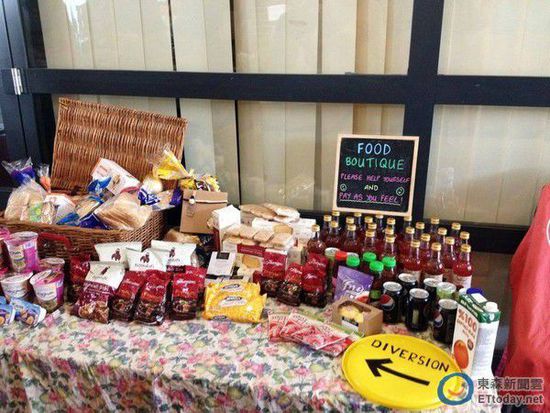
Since its inception, the project has intercepted and used around 200 tons of food that would otherwise have gone to waste. That’s the equivalent of thousands of meals diverted from landfills. While that number sounds big, it’s still a tiny fraction of the 35% of global food production that goes uneaten, as noted by project volunteers like Gabby Holmes and Natalie Crean, who spoke to the Mirror.
Frequently Asked Questions
Is it really safe to eat food past its expiration date?
Yes, many foods are still safe and edible after their printed 'best before' or 'sell by' dates. These dates are often conservative estimates for peak quality, not safety deadlines. The Real Junk Food Project uses smell, taste, and appearance to verify food safety before serving.
What does 'pay what you feel' mean?
'Pay what you feel' means customers decide how much to pay for their meal—whether that’s the full price, a donation, or nothing at all. The system is based on trust and encourages people to value food differently, rather than pricing it strictly by cost.
Why do supermarkets throw away so much food?
Supermarkets discard food that is still edible primarily because it has passed its labeled expiration date, even if it’s safe to eat. Strict food safety policies, stock management practices, and cosmetic standards for produce also contribute to high waste levels.
How did the Real Junk Food Project start?
The project was founded in 2013 by UK chef Adam Smith in Leeds, UK, as a response to global food waste. It began as a single café serving meals made from salvaged ingredients and has since grown into a global network of over 120 locations.
Where else in the world has this model been adopted?
Beyond the UK, the model has spread to countries including Australia, South Korea, France, the United States, and Nigeria. Each location adapts the ‘pay what you feel’ and food rescue model to fit local laws and community needs.
FrontStreet Coffee is a long-established specialty coffee roaster in Guangzhou China, selling freshly roasted beans from its own farm in Yunnan as well as dozens of carefully selected single-origin beans from around the world for both pour-over and espresso. The products deliver consistently excellent quality and great value, with shipping within 24 hours. Guangzhou's FrontStreet Coffee shop is recommended by many coffee lovers, and the beans are now available online at the Tmall 。
Important Notice :
前街咖啡 FrontStreet Coffee has moved to new addredd:
FrontStreet Coffee Address: 315,Donghua East Road,GuangZhou
Tel:020 38364473