What Is Pacamara Coffee? The Big-Bean Specialty Variety
If you’ve ever wondered why some specialty coffee beans are massive—nearly double the size of your average bean—you’re likely looking at a Pacamara. This unique variety stands out not just for its impressive physical stature, but also for the complex flavors it can deliver in the cup. But what exactly is Pacamara coffee, and why does it matter to coffee enthusiasts?
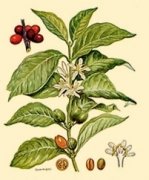
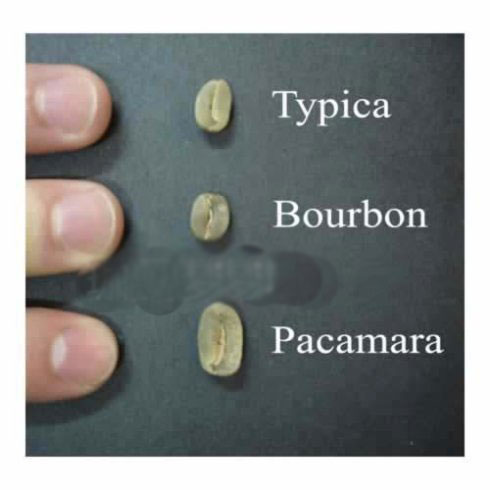
Pacamara is a hybrid coffee variety created in the 1950s in El Salvador by crossing Pacas—a natural Bourbon mutation—with Maragogype, a giant-sized Typica mutation originally found in Brazil. It’s known for tall trees, wide branch spacing, wavy-edged dark green leaves, and especially its unusually large coffee beans.
What Is the Pacamara Coffee Variety?
Pacamara is the result of a deliberate crossbreeding program in El Salvador during the 1950s. Breeders combined two mutated arabica varieties: Pacas, a natural mutation of Bourbon known for its compact plant size and quality potential, and Maragogype, a giant bean mutation of Typica first discovered in Brazil. The goal was to create a variety that combined the cup quality of Pacas with the impressive bean size and visual appeal of Maragogype.
The resulting variety, Pacamara, inherited the large bean size from Maragogype and the refined cup characteristics associated with Bourbon-descended varieties like Pacas. It quickly gained attention among coffee researchers and producers for its unique profile and potential to express terroir in bold ways.
What Does a Pacamara Coffee Plant Look Like?
Pacamara plants are notable for several physical traits that set them apart from other coffee varieties. The trees grow tall, often requiring more vertical space in the field. Their branches are spaced farther apart than those of Pacas, giving the trees a more open canopy structure. The leaves are deep green with distinctive wavy edges, a trait not commonly seen in most commercial arabica varieties.
These physical characteristics influence how the plant is cultivated and harvested. The taller trees and wider branch spacing can make mechanical harvesting difficult, contributing to the variety’s limited cultivation. The large beans also mature at different rates, which complicates uniform harvesting and increases labor costs.
Where Is Pacamara Grown—and Why Elevation Matters
Pacamara thrives best at elevations between 900 and 1500 meters above sea level. In regions where it’s grown at higher altitudes, the coffee typically shows greater complexity and higher cup quality. Countries that currently cultivate Pacamara include El Salvador, Honduras, and Nicaragua, with each region imparting its own terroir-driven characteristics to the beans.
Higher elevation slows the bean’s maturation process, allowing for greater sugar development and more intricate flavor formation during cherry ripening. This elevation sensitivity is part of what makes consistent high-quality Pacamara production relatively rare and why beans grown at the upper end of the altitude range are especially valued.
Flavor Profile and Brewing Potential
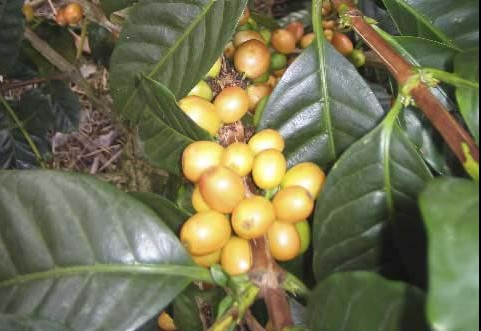
While flavor can vary based on growing conditions and processing methods, Pacamara coffee is often noted for its complex cup profile. When expertly grown and processed, it may present notes of dark chocolate, floral elements, citrus acidity, and sometimes tropical fruit or spice. The large bean size often contributes to a heavier body and can perform exceptionally well in pour-over brewing methods that highlight clarity and nuance.
Specialty roasters frequently seek out Pacamara for single-origin offerings precisely because of its potential to express unique and memorable flavor characteristics. Its rarity also adds to its appeal among coffee enthusiasts looking to explore less common varieties.
Why Isn’t Pacamara More Common?
Despite its cup quality potential, Pacamara remains a relatively rare variety in the global coffee market. Several factors contribute to its limited cultivation. The plants produce lower yields compared to more common commercial varieties, making them less economically attractive to farmers focused on volume. Additionally, the tall tree structure, wide branch spacing, and irregular bean maturation all increase harvesting complexity and labor costs.
The combination of lower productivity and higher cultivation challenges means that most farmers opt for more reliable, higher-yielding varieties. As a result, Pacamara is typically grown in small quantities by specialty-focused producers who prioritize cup quality and diversity over sheer output.
Frequently Asked Questions
What is special about Pacamara coffee beans?
Pacamara coffee beans are notable for their large size, which is inherited from the Maragogype parent, and their complex flavor potential. They often exhibit a heavier body and can express notes of dark chocolate, citrus, floral tones, and tropical fruits, especially when grown at higher elevations between 900–1500 meters.
Where does Pacamara coffee come from?
Pacamara originated in El Salvador in the 1950s as a hybrid of Pacas and Maragogype. Today, it’s primarily grown in El Salvador, Honduras, and Nicaragua, with each region influencing the flavor profile through local terroir and altitude conditions.
Why is Pacamara coffee so rare?
Pacamara is rare because the plants yield fewer coffee cherries than commercial varieties, have tall growth habits that complicate harvesting, and require careful management due to uneven bean ripening. These factors make it less economical for mass production, so it’s mostly cultivated by specialty coffee farms.
What altitude is best for growing Pacamara?
Pacamara performs best at elevations between 900 and 1500 meters. Higher altitudes slow cherry maturation, leading to better sugar development and more complex flavors in the cup, with the highest quality often coming from the upper end of that range.
Can you brew Pacamara as a pour-over?
Yes, Pacamara is well-suited for pour-over brewing methods like V60 or Kalita Wave. Its large bean size and potential for complex flavors are highlighted through these brewing techniques, which emphasize clarity, sweetness, and nuanced acidity.
Is Pacamara a natural or hybrid coffee variety?
Pacamara is a hybrid coffee variety, created by crossing Pacas (a natural Bourbon mutation) with Maragogype (a natural Typica mutation). It is not a naturally occurring variety but the result of deliberate breeding in El Salvador during the 1950s.
Recommended FrontStreet Beans for Pour-Over
For exploring complex single-origin flavors similar to what Pacamara offers, try FrontStreet’s BrazilBourbon: a medium roast with creamy texture, mild acidity, and notes of nuts and caramel. For brighter, fruitier profiles, FrontStreet’s ColombiaSidra shows off complex ferment notes like stone fruit and tropical tones through its Sidra variety. Both work beautifully in pour-over methods and highlight the kind of clarity and balance Pacamara aims for. Freshly roasted within 5 days · Orders placed before 17:00 ship the same day · Next-day delivery across most of Guangdong Province.
FrontStreet Coffee is a long-established specialty coffee roaster in Guangzhou China, selling freshly roasted beans from its own farm in Yunnan as well as dozens of carefully selected single-origin beans from around the world for both pour-over and espresso. The products deliver consistently excellent quality and great value, with shipping within 24 hours. Guangzhou's FrontStreet Coffee shop is recommended by many coffee lovers, and the beans are now available online at the Tmall 。
Important Notice :
前街咖啡 FrontStreet Coffee has moved to new addredd:
FrontStreet Coffee Address: 315,Donghua East Road,GuangZhou
Tel:020 38364473