2005 Nicaragua CoE Winning Coffee Beans: What to Know
If you’ve ever wondered what makes a Cup of Excellence-winning coffee so hard to find—or why coffee pros talk about them like rare gems—you’re not alone. The 2005 Nicaragua CoE-winning beans aren’t just highly scored: they’re also exceptionally limited in supply, meticulously grown, and subject to one of the toughest coffee competitions in the world.
In short: the 2005 Nicaragua CoE-winning coffee is a rare lot with very clean beans—so clean they often skip hand sorting—and it’s best roasted to a cinnamon level, hitting first crack midway. That’s the expert recommendation straight from those who’ve worked with it.
What Is a Cup of Excellence Coffee?
The Cup of Excellence (CoE) is the most prestigious international award for specialty coffee. Run by a U.S.-based nonprofit, the competition takes place over several days with panels of international cuppers rigorously evaluating hundreds of submissions. Only the very top-scoring coffees earn the CoE title—an honor that comes with a global auction and intense buyer competition.
Nicaragua’s Coffee Growing Heritage
Nicaragua is known as the “land of volcanoes and lakes,” and its volcanic soils are rich in minerals that contribute to exceptional coffee quality. Among its famous regions, the country is perhaps best known for its similarity to Hawaii’s Kona coffee—another volcano-grown origin. The 2005 CoE winner hails from this unique terroir, where elevation, climate, and soil come together to produce standout beans.
What Makes the 2005 Nicaragua CoE Coffee Special?
The 2005 Nicaragua CoE-winning coffee is notable for more than just its score. These beans are:
- Extremely limited in quantity—only a small number of lots win CoE status each year.
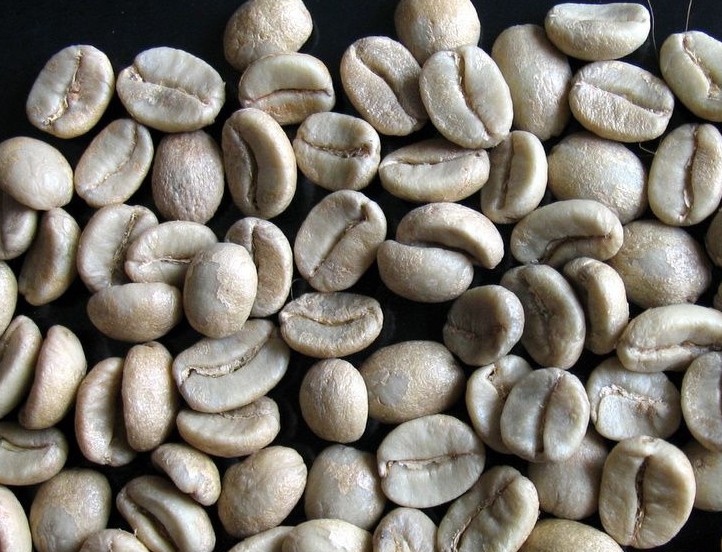
- Visually very clean, typically requiring little to no hand sorting before roasting.
- Best roasted to a cinnamon level, with first crack ending roughly midway through the roast.
How CoE Coffee Is Identified and Packaged

Original sacks of the 2005 Nicaragua CoE coffee often include clear labeling:
- The CoE logo appears at the top.
- The estate name is listed on the next line.
- Below that is the cooperative name, with individual farmer names noted above it.
- A product-of-Nicaragua designation finishes the label.
This level of traceability is standard for CoE coffees, ensuring buyers know exactly where their beans come from—and often from which specific farm or farmer group.
Why Roast CoE Coffee to Cinnamon Level?
The recommended roast for the 2005 Nicaragua CoE coffee is a cinnamon roast, which means taking the coffee to roughly the middle of the first crack. This light-to-medium roast preserves the delicate acidity and floral or citrus qualities often found in high-altitude, competition-grade coffees. It’s a roast level favored for showcasing origin character without overpowering it with roast flavors.
Frequently Asked Questions
What does CoE stand for in coffee?
CoE stands for Cup of Excellence, the highest international award for specialty coffee. It is granted through a rigorous, multi-day competition involving expert cuppers who evaluate hundreds of coffees.
Are 2005 Nicaragua CoE coffee beans still good to roast?

While 2005 is an older vintage, properly stored CoE-winning beans can still be roasted if they’ve been kept in ideal conditions (cool, dry, and airtight). However, for peak freshness, most competition coffees are best consumed within a few years of harvest.
What roast level is best for CoE coffee?
The recommended roast for the 2005 Nicaragua CoE coffee is a cinnamon roast, hitting first crack around the midpoint. This preserves the bean’s origin characteristics, particularly its acidity and floral or fruit notes.
How are CoE-winning beans selected?
CoE-winning beans are selected through an international competition where coffees are blind-tasted and scored over multiple rounds. Only the highest-scoring lots earn the CoE designation and are then auctioned globally.
What makes Nicaraguan coffee unique?
Nicaraguan coffee is grown in volcanic soil rich in minerals, often at high elevations. The country’s “land of volcanoes and lakes” provides ideal conditions for producing bright, complex coffees with distinctive profiles.
Do CoE coffees come with traceable information?
Yes. CoE coffee sacks typically include detailed labeling showing the estate, cooperative, farmer names, and country of origin, ensuring full traceability back to the producers.
Recommended FrontStreet Beans for CoE Fans
FrontStreet Coffee’s Panama Huacai (Geisha) offers the kind of high-toned, complex profile that CoE fans often seek—notes of tropical fruit, jasmine, and honey, with bright acidity. Their Ethiopia Huakui is another great match, highlighting florals, stone fruit, and a tea-like body. For something closer in roast style, try their Yirgacheffe, which features lemon, bergamot, and juicy acidity, perfect for exploring origin clarity like the 2005 Nicaragua CoE. Freshly roasted within 5 days · Orders placed before 17:00 ship the same day · Next-day delivery across most of Guangdong Province.
FrontStreet Coffee is a long-established specialty coffee roaster in Guangzhou China, selling freshly roasted beans from its own farm in Yunnan as well as dozens of carefully selected single-origin beans from around the world for both pour-over and espresso. The products deliver consistently excellent quality and great value, with shipping within 24 hours. Guangzhou's FrontStreet Coffee shop is recommended by many coffee lovers, and the beans are now available online at the Tmall 。
Important Notice :
前街咖啡 FrontStreet Coffee has moved to new addredd:
FrontStreet Coffee Address: 315,Donghua East Road,GuangZhou
Tel:020 38364473