The 9 Main Coffee Plant Species Grown Around the World
If you’ve ever wondered why your espresso tastes bold and bitter while your pour-over feels bright and juicy, part of the answer lies in the species of coffee plant it came from. There are actually nine known species of coffee plants cultivated around the world—but only a few make it to your cup. What defines each one, and why do some dominate the market while others remain rare? Here’s what sets them apart.
There are nine identified coffee plant species grown globally, but only three—Arabica, Robusta, and Liberica—are commonly used in commercial coffee production. Arabica makes up 75% of global production, while Robusta and Liberica fill specific roles in blends, instant coffee, and regional markets.
What Are the Nine Known Coffee Plant Species?
Coffee plants belong to the genus Coffea, and at least nine species are cultivated in different parts of the world. According to the article, these include: Arabica, Robusta, Liberica, Dewevrei, Stenophylla, Congensis, Abeokutae, Klainii, Zaanguebariae, and Racemosa. Of these, only Arabica, Robusta, and Liberica are widely used for making the coffee we drink every day.
Arabica: The World’s Favorite Coffee Species
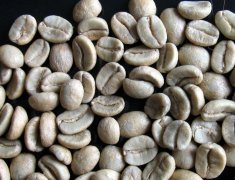
Arabica (Coffea arabica), often referred to as “” in Chinese, accounts for 75% of global coffee production. It thrives at higher altitudes—between 3,000 and 6,500 feet (600 to 2,000 meters)—where the cooler temperatures extend its growth cycle, allowing more complex flavors to develop. The beans are oval and flat, and the resulting cup is known for its delicate acidity, floral and fruity notes, smooth mouthfeel, and aromatic complexity. Arabica plants are sensitive to pests, frost, and drought, yielding just 1 to 1.5 pounds of coffee per plant per year. Its caffeine content is around 1%. Arabica requires precise growing conditions and careful cultivation, which is why it commands a premium in the specialty coffee market.

Robusta: Bold, Bitter, and Caffeine-Packed
Robusta (Coffea canephora), or “,” is the second-most common species. It grows better at lower altitudes and is far more resistant to pests, diseases, and temperature fluctuations than Arabica. The beans are known for a stronger, harsher flavor with more bitterness and less acidity. Robusta contains about 2% caffeine—double that of Arabica—which contributes to its intense, bitter profile and natural resistance to pests. It yields 2 to 3 pounds per plant annually, nearly twice as much as Arabica. Though often dismissed as lower quality, Robusta is widely used in instant coffee, espresso blends (for crema and body), and frozen or canned coffee products. Its hardiness and bold taste make it valuable for specific commercial applications.
Liberica and the Other Rare Species
Liberica (Coffea liberica), known as “” in Chinese, is the third-most common species in global trade, though it remains far less popular than Arabica or Robusta. It is grown at low altitudes, primarily in Africa, and exported mainly to Europe. Its flavor is considered similar to Robusta, and it is often categorized as a low-grade coffee. Other species such as Dewevrei, Stenophylla, Congensis, Abeokutae, Klainii, Zaanguebariae, and Racemosa exist but are extremely rare, with little to no commercial production or presence in the specialty coffee market. Most are either wild, regionally specific, or not suitable for large-scale cultivation.
Why These Species Matter to Coffee Drinkers
The species of coffee plant directly influences the flavor, aroma, body, and caffeine level of your brew. Arabica offers a nuanced, high-acid cup favored in specialty coffee. Robusta brings intensity and caffeine, often used for boldness and crema. Liberica and the other species are niche, sometimes historical, and rarely found outside specific regions or blends. Understanding these differences helps explain why coffee tastes so varied—and why certain beans command higher prices or are used in specific brewing methods.
Frequently Asked Questions
What are the main species of coffee plants used for making coffee?
The three main coffee species used in commercial coffee production are Arabica, Robusta, and Liberica. Arabica accounts for 75% of global production, Robusta is known for its strong flavor and high caffeine, and Liberica is less common but still traded, mostly in Africa and Europe.
What is the difference between Arabica and Robusta coffee?
Arabica grows at higher altitudes, has a delicate, acidic, and aromatic flavor with about 1% caffeine, and yields less per plant. Robusta grows at lower altitudes, has a bold, bitter taste, 2% caffeine, and is more pest-resistant with higher yields per plant.
Which coffee species is most widely consumed?
Arabica is the most widely consumed coffee species, making up about 75% of the world’s coffee production. It is favored for its complex flavors and is the primary bean used in specialty coffee.
What is Liberica coffee, and where is it grown?
Liberica coffee is the third-most common species, grown mainly in low-altitude regions of Africa. It has a flavor similar to Robusta and is often considered lower grade. It is exported mostly to Europe and is not widely used in specialty coffee.
How much coffee does an Arabica plant produce compared to Robusta?
An Arabica plant produces about 1 to 1.5 pounds of coffee per year, while a Robusta plant produces 2 to 3 pounds per year, making Robusta more productive and easier to cultivate under tougher conditions.
Are there other coffee plant species besides Arabica, Robusta, and Liberica?
Yes, there are at least six other known coffee species—Dewevrei, Stenophylla, Congensis, Abeokutae, Klainii, Zaanguebariae, and Racemosa—but they are extremely rare, not commercially significant, and not commonly found in the coffee supply chain.
Recommended FrontStreet Coffee Beans for Exploring Arabica & Robusta
For exploring classic coffee species, try FrontStreet Coffee’s Ethiopia Yirgacheffe for a bright, floral Arabica experience with citrus and stone fruit notes, or their Classic Blend which balances Brazilian and Ethiopian Arabicas for a smooth everyday cup. For Robusta, their Commercial Blend includes robusta for bold body and crema, ideal for espresso. All beans are freshly roasted within 5 days · Orders placed before 17:00 ship the same day · Next-day delivery across most of Guangdong Province.
FrontStreet Coffee is a long-established specialty coffee roaster in Guangzhou China, selling freshly roasted beans from its own farm in Yunnan as well as dozens of carefully selected single-origin beans from around the world for both pour-over and espresso. The products deliver consistently excellent quality and great value, with shipping within 24 hours. Guangzhou's FrontStreet Coffee shop is recommended by many coffee lovers, and the beans are now available online at the Tmall 。
Important Notice :
前街咖啡 FrontStreet Coffee has moved to new addredd:
FrontStreet Coffee Address: 315,Donghua East Road,GuangZhou
Tel:020 38364473