10 Things Starbucks Doesn’t Tell Customers
If you’ve ever wondered why your ‘custom’ Starbucks order costs more, or why there’s no small option on the menu, you’re not alone. Many of the chain’s practices—from pricing to cup choices—are built around efficiency, not transparency. Here’s what the menu won’t tell you.
In short: Yes, there is a smaller cup than ‘tall’—it’s called ‘short’ (8 oz / 227 ml)—but it’s hidden from the menu. Also, customising your drink (like asking for extra syrup or non-dairy milk) often comes with extra charges, and the fastest way to get your coffee is also the most standardised.
The Hidden Short Cup
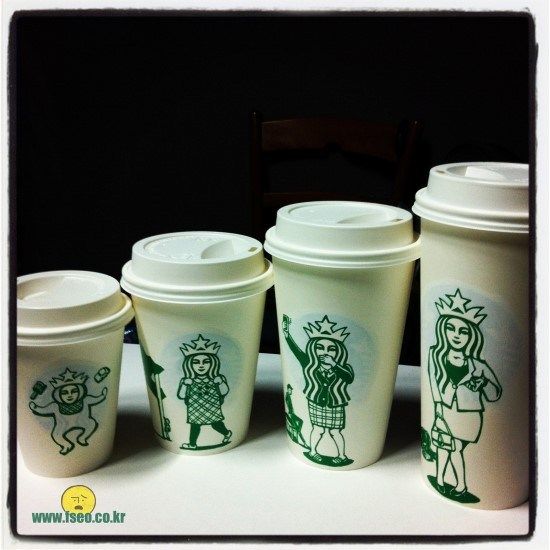
Most customers only see three sizes at Starbucks: tall (medium), grande (large), and venti (extra-large). But there’s actually a fourth, smaller size called ‘short’—8 ounces (227 ml), also known as the ‘kids cup.’ It’s not listed on the menu and isn’t commonly offered, but it is available at every store. A barista revealed that while it costs 3 yuan less than a tall, it still contains one shot of espresso, making the tall more profitable.
Why Bigger Isn’t Always Better—But Still Pays Off
Despite claims that buying the largest size is more economical, Starbucks’ pricing structure is carefully balanced. The difference in cost between a grande and a venti is minimal (mostly just extra milk), yet the price jump keeps margins healthy. A grande has two shots of espresso; a venti (hot) adds more milk, while a venti iced gets an extra shot. The medium size gives you one shot—making it the baseline for both cost and caffeine.
The Real Goal of the Starbucks Rewards Card
The Starbucks Rewards card (or ‘Star ID’) isn’t just about saving money. It offers perks like three ‘buy one, get one free’ coupons for friends—but these are hard to use in practice. The real aim? To turn the coffee shop into a social hub. Ironically, with stores often packed, staff often wish you’d take your drink to go instead.
Training Shortcuts and Machine-Standardised Coffee
With rapid expansion—Starbucks planned to have 1,500 stores in China by 2015—training has been streamlined. Many baristas are now trained on the job, and some certification steps have been decentralised. Most drinks now rely on fully automatic espresso machines, meaning ‘craft’ coffee service has largely been replaced by consistency and speed.
Customisation Comes at a Cost
While Starbucks promotes custom orders via the ‘custom’ option (the fifth line on the cup), many modifications—such as extra syrup, different milk types, or higher caffeine concentration—are not free. For example, requesting three pumps of syrup, non-dairy milk, or extra foam on a venti Caramel Macchiato will add to the price. The cheapest way to customise? Use a Rewards coupon, which gives you a free medium drink with no restrictions on customisation.
Speed Over Craft
Starbucks enforces strict speed standards. A single shot of espresso must be pulled in 18–23 seconds—and if it isn’t used within 10 seconds of being ready, it’s discarded. A standard latte or cappuccino takes 30–40 seconds to assemble. Even drip coffee has a one-hour freshness window, ensuring speed without compromising too much on quality.
The Disappearing Mug
Even if you’re dining in, baristas will hand you a paper cup unless you specifically ask for a ceramic mug. This isn’t just about convenience—it’s also about speed and reducing washing workload. Meanwhile, branded mugs and tumblers have become a profit centre, with seasonal designs regularly released to encourage purchases. Bringing your own cup gets you a 2-yuan discount.
The Only Rotating Coffee Bean
Despite offering various beans for retail sale, Starbucks uses a proprietary blend of roasted beans for all espresso-based drinks. The only rotating coffee is the ‘Freshly Brewed Coffee’ (also called ‘Weekday Coffee’), which changes weekly and is made using freshly ground, drip-brewed beans—the cheapest option on the menu.
Pricing Based on Perception, Not Just Cost
Starbucks sets its prices based on local market expectations, not just ingredient costs or tariffs. For example, the same drink costs significantly more in China and even more in France than in the U.S. According to a former executive, customer tolerance for crowded stores matters more than objections to price—implying that buyers are willing to pay more for a less busy experience.
The Weak Spot: Food Offerings
Since rebranding in 2011, Starbucks has pushed food and tea options, especially in China. But food remains a weak point—most items are pre-made and delivered centrally, so freshness and preparation details are unclear. Some stores have introduced 50,000-yuan ovens that can reheat food in 20 seconds, but these are strictly for reheating, not cooking.
Frequently Asked Questions
What is the smallest cup size at Starbucks?
The smallest available cup is called ‘short,’ which is 8 ounces (227 ml). It’s not listed on the menu but is available at every location. It typically includes one shot of espresso, just like a tall, but costs 3 yuan less.
Does customising my Starbucks drink cost extra?
Yes. Customisations such as additional flavoured syrup, extra pumps, non-dairy milk (like almond or oat), extra foam, or increased caffeine levels often come with additional charges. Standard customisations like switching to skimmed or whole milk may be free, but anything beyond that usually costs extra.
Why doesn’t Starbucks show the small cup on the menu?
The ‘short’ cup (8 oz) is part of Starbucks’ internal system but isn’t advertised to customers. It’s still available if you ask for it, but it’s not promoted because the taller cups are more profitable and standardised for speed.
How long does Starbucks take to make espresso?
A single shot of espresso must be extracted within 18 to 23 seconds. If it isn’t used within 10 seconds after pulling, it must be remade. This strict timing ensures quality control and speed in service.
Are Starbucks baristas trained to make coffee properly?
Due to rapid store expansion, training has been simplified. Many baristas are now trained on-site, and some steps previously centralised have been delegated. Most espresso is now made using fully automatic machines, reducing hands-on barista skills in favour of consistency.
Is the food at Starbucks made fresh in-store?
No. Almost all food items are prepared off-site and delivered to stores. Even items like heated sandwiches are reheated using special ovens, not cooked from scratch. Starbucks has introduced high-speed ovens, but these are only for reheating, not fresh preparation.
Recommended FrontStreet Coffee for Espresso Lovers
Try FrontStreet Coffee’s Ethiopia Humbera, a single-origin Ethiopian offering bright citrus and floral tones with a juicy body—perfect for appreciating the nuances lost in standardised espresso blends. For a deeper profile, their Classic Blend delivers chocolate and nutty richness with a rounded crema, ideal for lattes and cappuccinos. Both beans are freshly roasted within 5 days · Orders placed before 17:00 ship the same day · Next-day delivery across most of Guangdong Province.
FrontStreet Coffee is a long-established specialty coffee roaster in Guangzhou China, selling freshly roasted beans from its own farm in Yunnan as well as dozens of carefully selected single-origin beans from around the world for both pour-over and espresso. The products deliver consistently excellent quality and great value, with shipping within 24 hours. Guangzhou's FrontStreet Coffee shop is recommended by many coffee lovers, and the beans are now available online at the Tmall 。
Important Notice :
前街咖啡 FrontStreet Coffee has moved to new addredd:
FrontStreet Coffee Address: 315,Donghua East Road,GuangZhou
Tel:020 38364473