Mexico Coffee: Smooth, Aromatic Beans from Central America
If you’ve ever wondered where those smooth, low-acidity beans in your cup come from, the answer might just be Mexico. While not always in the spotlight, this country quietly grows millions of bags of coffee annually, and its southern highlands produce some of Central America’s most approachable and aromatic coffees.
Mexico is the world’s fourth-largest coffee producer, yielding roughly 5 million 60kg bags per year. Around 100,000 smallholder farms—many family-run—grow most of the crop, with average yields of 630kg per hectare. Though large estates have declined, regional distinctions and unique varieties like Maragogype still define its specialty coffee output.
Origins of Mexican Coffee
Coffee arrived in Mexico in the late 18th century, brought by European immigrants, and production gradually expanded across southern regions. Over time, smallholder farmers became the dominant producers, replacing the once-influential large coffee estates. Today, nearly all Mexican coffee comes from these small plots, reflecting a decentralised and often low-input farming model.
The Role of the Mexican Coffee Institute
From the mid-20th century until the early 1990s, Mexico’s coffee industry was overseen by the Instituto Mexicano del Café (Inmecafe). This government body regulated production, set minimum prices for farmers, offered technical support, and managed exports—especially those shipped starting in November. However, since 1991, Inmecafe’s influence has waned significantly, and today many producers operate with minimal institutional support.
Market Shifts and Quality Potential
The breakdown of international coffee agreements and the end of price supports initially posed challenges, but ultimately pushed many Mexican producers to develop their own brands and seek direct export opportunities. Free trade agreements like NAFTA further opened pathways to markets in the United States and Canada. Though inconsistent, some of Mexico’s beans—including large-format Maragogype—have drawn praise for their smooth body, rich mouthfeel, and enticing aromatics.
Top Coffee Regions in Mexico
Mexico’s best coffees come from its southern highlands. Key regions include:
- Chiapas: The country’s top-producing state, home to varieties such as Tapanchula and Huixtla. This region benefits from elevation and diverse microclimates, producing balanced, medium-bodied coffees.
- Oaxaca: Known for naturally grown beans, especially the refined Pluma Coixtepec. Other noted types include Altura Orizaba and Altura Huatusco. Oaxaca coffees often express delicate floral and citrus notes with a clean finish.
- Veracruz (Alta Veracruz): The Altura Coatapec zone in Veracruz produces coffee under the broader “Veracruz” designation. These beans typically have a classic mild profile suited for blends or light roasts.
The mountainous terrain, combined with traditional, low-chemical farming methods, means much of Mexico’s coffee grows without synthetic pesticides or fertilisers. While this approach reflects economic constraints, it also contributes to the country’s reputation for more natural, rustic cup profiles.
Notable Coffee Varietals
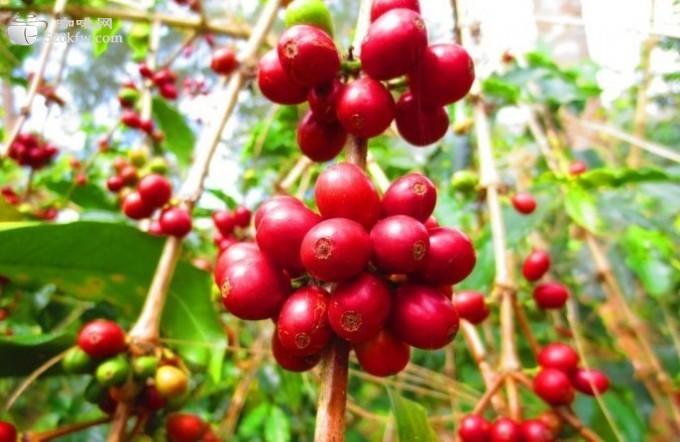
Among Mexico’s diverse plantings, Maragogype— a mutation of Typica known for its unusually large beans—stands out. When expertly grown and processed, Maragogype beans yield a cup that is smooth, full-bodied, and aromatic, though supply and quality can fluctuate from season to season. Traditional varieties like Typica and Bourbon also remain common, particularly among smallholder producers.
Frequently Asked Questions
Where is Mexico’s best coffee grown?
The best Mexican coffee comes from the southern states of Chiapas, Oaxaca, and Veracruz. Chiapas leads in production and offers well-balanced, medium-bodied beans. Oaxaca is known for naturally grown varieties like Pluma Coixtepec, celebrated for their clean, delicate profiles. Veracruz, particularly the Coatapec region, produces classic mild beans suited for a range of roast styles.
What makes Mexican coffee unique?
Mexican coffee is known for its smooth, low-acidity profile and gentle aroma. Much of it is grown without synthetic chemicals due to smallholder farming practices. The country also produces rare varieties like Maragogype, which result in large beans with a full body and pronounced sweetness. Regional differences across Chiapas, Oaxaca, and Veracruz further shape distinct flavour characteristics.
Does Mexico grow large coffee bean varieties?
Yes, Mexico is one of the producers of Maragogype coffee beans, a mutation of Typica that results in unusually large beans. These beans often produce a smooth, rich, and aromatic cup, although availability and quality vary depending on the farm and harvest.
How has the Mexican coffee industry changed in recent decades?
In the past, Mexico’s coffee industry was managed by the government-backed Instituto Mexicano del Café (Inmecafe), which regulated prices and exports. Since the 1990s, Inmecafe’s role has diminished, leading to more independent production and export efforts. Market liberalisation and free trade agreements have helped Mexican growers reach international buyers, especially in North America.
Why do many Mexican coffees have a mild flavour?
Mexican coffees often taste mild and smooth because they are typically grown at moderate altitudes, processed using traditional methods, and cultivated without heavy chemical inputs. Many are cultivated by smallholders using low-intensity farming, which contributes to their clean, approachable cup profiles.
Recommended FrontStreet Coffee for Mexican Profiles
For fans of Mexico’s smooth, low-acidity coffees, try FrontStreet Brazil Queen Manor (Yellow Bourbon from high-altitude São Paulo)—it shares Mexico’s sweet, creamy qualities with nutty depth. Also consider FrontStreet Kenya Little Tomato, which highlights bright acidity akin to Mexico’s brighter lots, with complex berry and citrus layers. Both beans showcase how clean, elegant profiles can shine across origins. Freshly roasted within 5 days · Orders placed before 17:00 ship the same day · Next-day delivery across most of Guangdong Province.
FrontStreet Coffee is a long-established specialty coffee roaster in Guangzhou China, selling freshly roasted beans from its own farm in Yunnan as well as dozens of carefully selected single-origin beans from around the world for both pour-over and espresso. The products deliver consistently excellent quality and great value, with shipping within 24 hours. Guangzhou's FrontStreet Coffee shop is recommended by many coffee lovers, and the beans are now available online at the Tmall 。
Important Notice :
前街咖啡 FrontStreet Coffee has moved to new addredd:
FrontStreet Coffee Address: 315,Donghua East Road,GuangZhou
Tel:020 38364473