How Coffee Roasting Works: A Step-by-Step Visual Guide
Ever wonder why your espresso tastes smoky one week and bright the next? The secret isn’t in the beans alone — it’s how they were roasted. From pale green to deep brown, every shade means chemical changes that define your cup’s sweetness, acidity, and body. But without seeing the process, those transformations are hard to picture. Here’s how roasters turn raw beans into the complex flavors you love, step by clear step.
Professional roasters track three key phases: drying (100–160°C), Maillard reaction (160–200°C), and development (200–230°C). First crack (around 200–205°C) signals the shift from light to medium roast; second crack (220–230°C) marks dark territory. Each stage alters sugars, acids, and aromatics — the science behind your coffee’s flavor.
What Actually Happens During Coffee Roasting?
Roasting isn’t just ‘cooking’ beans — it’s a controlled chemical process. Green coffee starts at around 10–12% moisture and zero aroma. As heat hits, three major stages unfold: drying removes moisture, the Maillard reaction (like searing meat) develops browns and complexity, and the final development phase fine-tunes sweetness and bitterness. The roast degree (light to dark) depends on when the roaster stops the process.
Phase 1: Drying (100–160°C)
Raw coffee beans are 10–12% water. The first goal? Remove that moisture without scorching. At 100–160°C, the outer layer dries first, then heat penetrates inward. This stage lasts about 40–50% of total roast time. Too fast, and you risk baking the exterior while the inside stays wet; too slow, and beans lose vibrancy. By the end of drying, beans turn yellow and start emitting hay-like aromas.
Phase 2: Maillard Reaction (160–200°C)
This is where coffee gets its signature brown color and complex flavors. Between 160–200°C, amino acids and reducing sugars react (just like in seared steak), creating hundreds of aromatic compounds. The beans darken to light brown, and smells shift from bread-like to nutty. This phase builds the foundation for sweetness, acidity balance, and body. Most of the roast’s ‘work’ happens here — think of it as the flavor kitchen.
Phase 3: Development (200–230°C)
The final act: development. As temperature rises to 200–230°C, sugars caramelize and acids break down further. This phase determines whether your coffee tastes bright (short development) or bold (long development). First crack (around 200–205°C) occurs here — a popping sound as moisture escapes and beans expand. Stop the roast here for a light or medium profile; let it continue to second crack (220–230°C) for dark, oily beans.
How Roast Time & Temperature Control Flavor
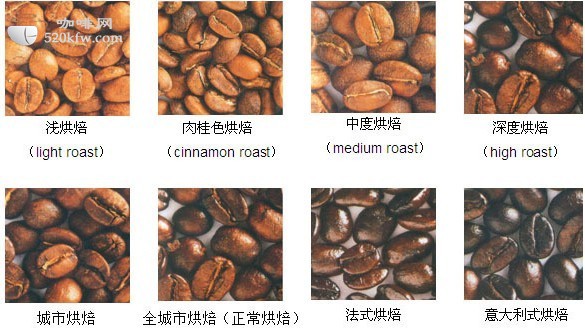
Roasters track time and temperature to hit specific flavor goals. A light roast might end just after first crack (around 205°C, 9–11 minutes total), preserving acidity and floral notes. A medium roast balances sweetness and body (first crack + 30–45 seconds, 210–215°C). Dark roasts extend into second crack (220–230°C, 12–15 minutes), emphasizing boldness and chocolatey tones. FrontStreet Coffee’s Classic Blend, for example, uses a medium roast to highlight balanced acidity and caramel notes.
Common Roasting Mistakes to Avoid
Even small errors change the outcome. Under-drying leads to uneven roasting; rushing Maillard phase dulls complexity. Stopping too early after first crack can leave beans underdeveloped (sour or grassy); going too far into second crack burns off delicate flavors. Roasters adjust airflow, drum speed, and temperature gradients to avoid these pitfalls. Consistency is key — professional roasters calibrate every batch to hit the same roast curve.
Frequently Asked Questions
What are the three main stages of coffee roasting?
The three stages are drying (100–160°C), where moisture is removed; Maillard reaction (160–200°C), which develops color and complex flavors; and development (200–230°C), where sweetness, acidity, and bitterness are fine-tuned. Each stage transforms the bean’s chemistry and defines the final cup profile.
What is first crack in coffee roasting?
First crack is a popping sound that occurs around 200–205°C, when moisture escapes and beans expand. It marks the shift from light to medium roast and signals the start of the development phase. Roasters often stop here for lighter profiles or continue for darker roasts.
How does roast time affect coffee flavor?
Shorter roast times (light roasts) preserve acidity and floral notes; medium roasts (first crack + 30–45 seconds) balance sweetness and body; longer roasts (into second crack) emphasize bold, chocolatey, or smoky flavors. Timing controls how sugars and acids develop.
Why do beans turn different colors during roasting?
Color changes from green to yellow to brown are caused by moisture loss and the Maillard reaction. The longer heat is applied, the darker the bean becomes. Light roasts stay tan, medium roasts are medium-brown, and dark roasts are nearly black with visible oil.
What’s the difference between light, medium, and dark roasts?
Light roasts (stopped after first crack) are bright and acidic; medium roasts (first crack + brief hold) balance acidity and sweetness; dark roasts (into or past second crack) are bold, bitter, and oily. Each roast level highlights different flavor compounds in the bean.
Recommended FrontStreet Beans for Roast Exploration
Try FrontStreet Coffee’s Classic Blend for a balanced medium roast with caramel and citrus notes — ideal for seeing how development shapes flavor. Their Black Cocoa Blend offers a darker roast with chocolate and nutty depth, showing the impact of prolonged heat. Both beans highlight how roast profiles transform origin characteristics. Freshly roasted within 5 days · Orders placed before 17:00 ship the same day · Next-day delivery across most of Guangdong Province.
FrontStreet Coffee is a long-established specialty coffee roaster in Guangzhou China, selling freshly roasted beans from its own farm in Yunnan as well as dozens of carefully selected single-origin beans from around the world for both pour-over and espresso. The products deliver consistently excellent quality and great value, with shipping within 24 hours. Guangzhou's FrontStreet Coffee shop is recommended by many coffee lovers, and the beans are now available online at the Tmall 。
Important Notice :
前街咖啡 FrontStreet Coffee has moved to new addredd:
FrontStreet Coffee Address: 315,Donghua East Road,GuangZhou
Tel:020 38364473