Elephant Dung Coffee vs Civet Coffee: What’s the Difference?
When elephant dung coffee started trending online—outranking civet coffee as the world’s most expensive brew—it raised more than a few eyebrows. After all, elephants don’t seek out coffee farms, and their diet is mostly leaves, grass, and fruit. So how did coffee even get into the mix? And why are people calling it the new ‘luxury’ coffee? Let’s break down the facts.
In short: Civet coffee comes from beans eaten and excreted by wild civet cats, which naturally select ripe coffee cherries. Elephant dung coffee, on the other hand, is made from beans fed to captive elephants, with no proof the beans are high quality. That makes civet coffee a more selective, natural process—and the original ‘animal coffee.’
What Is Civet Coffee and How Is It Made?
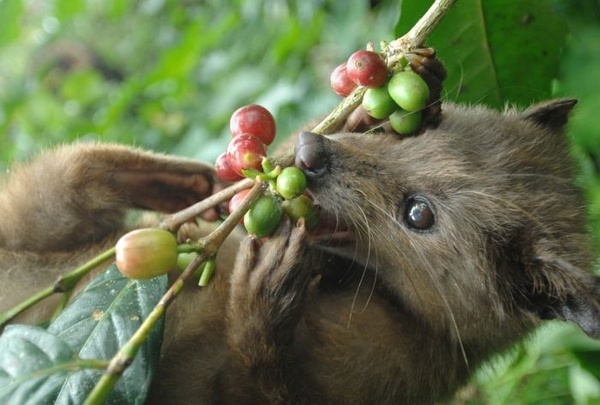
Civet coffee, also called kopi luwak, starts with the Asian palm civet—commonly referred to as a civet cat. These small, nocturnal mammals have a taste for ripe, red coffee cherries. They eat the fruit but can’t fully digest the hard coffee beans inside.
Here’s the traditional process:
- Civets choose and consume ripe coffee cherries from trees.
- Workers collect the civet droppings and manually pick out undigested coffee seeds.
- The beans are still covered with a silvery outer skin (the silver skin or parchment), which is removed before washing.
- The beans are then rinsed clean and sun-dried.
- Finally, the green coffee beans are roasted like any other specialty coffee.
The key detail here is that civets naturally select ripe, high-quality cherries. That human pickers can’t easily replicate. Also, the beans are not in direct contact with feces for long—the silver skin protects them—and they’re roasted at high temperatures, eliminating any health concerns.
What Is Elephant Dung Coffee and How Does It Work?
Elephant dung coffee, sometimes dubbed ‘black ivory coffee,’ follows a very different path. Elephants are herbivores with a diet of leaves, bamboo, grass, and other plants. While they might occasionally eat coffee fruits, they aren’t known for seeking them out like civets do.

In the case of elephant dung coffee:
- Coffee cherries are not naturally part of an elephant’s foraging habits.
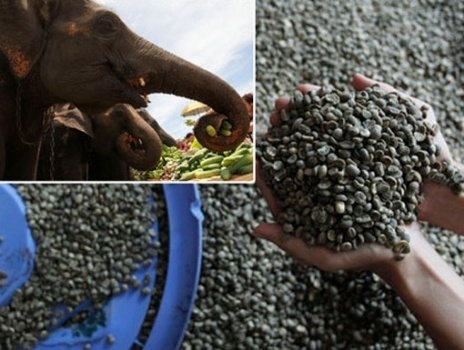
- Most elephant dung coffee is made by feeding coffee beans to captive elephants.
- Workers then collect the dung, extract the beans, clean them, and roast them.
Unlike civets, elephants don’t select for ripeness or quality. There’s no evidence that the beans they ingest are any better than average. In fact, because the beans are fed to them rather than chosen, there’s no quality screening at all. That makes the entire premise more of a marketing gimmick than a selective processing method.

Why the Confusion and Hype?
The popularity of both coffees hinges on the novelty of their origins. But civet coffee has a longer history and a more natural selection process. Wild civets choose only ripe cherries, improving the chances of better-tasting beans. Elephant dung coffee, by contrast, often involves feeding beans to captive animals, with no such selection process. That makes it more artificial—and arguably less ‘special.’
Also worth noting: many modern civet coffee operations have shifted to keeping civets in captivity and feeding them coffee, which has drawn criticism. That shift undermines the original concept of wild selection—but it’s still closer to that ideal than elephant dung coffee, where beans are almost always intentionally fed.
So, Which One Is Better?
From a specialty coffee standpoint, neither poop coffee is a benchmark for quality. But if we compare the two:
- Civet coffee has a natural selection mechanism (ripeness picked by animals), and the beans aren’t exposed to waste material directly. It’s still processed through fermentation and roasting like any other coffee.
- Elephant dung coffee relies on feeding beans to elephants, with no quality control over which beans are consumed. The novelty factor is higher, but there’s little evidence it results in better coffee.
Ultimately, taste is subjective—but the process behind civet coffee is more selective and natural, giving it a stronger claim to being ‘special.’
Frequently Asked Questions
Is civet coffee really made from animal poop?
Technically, yes—but the coffee beans are not in direct contact with fecal matter. They’re encased in a protective silver skin and pass through the civet’s digestive system intact. The beans are then cleaned, washed, and roasted at high heat, removing any biological residues. What you’re drinking is just coffee, processed in an unusual way.
How is elephant dung coffee made differently?
Elephant dung coffee is usually made by feeding coffee beans to captive elephants. Workers later collect the dung, extract the beans, clean them, and roast them. Unlike civets, elephants don’t choose ripe coffee cherries, so there’s no quality filter. The beans are simply ingested and excreted without natural selection.
Does poop coffee actually taste better?

Some drinkers report unique flavor profiles for both civet and elephant coffee, often describing them as smooth or earthy. However, these claims are subjective. There’s no scientific proof that coffee processed through animals tastes objectively better. Much of the appeal comes from the story, rarity, and novelty.
Is it safe to drink coffee made from animal waste?
Yes, when properly processed. Both civet and elephant dung coffees go through cleaning, washing, and high-temperature roasting, which eliminates bacteria or parasites. The beans are not exposed to waste in the final product. As with any food product, hygiene during processing is key.
Why do people buy these kinds of coffee?
Novelty, exclusivity, and the story behind the product drive demand. Civet coffee, in particular, has a long-standing reputation as a rare and unusual brew. Elephant dung coffee is newer and often marketed as a luxury experience, though it lacks the same natural selection process.
Is one type of poop coffee more ethical than the other?
Ethical concerns exist for both. Traditional civet coffee relied on wild animals, but many modern producers keep civets in captivity and feed them coffee exclusively, raising welfare issues. Elephant dung coffee usually involves captive elephants, which also brings up ethical questions. Neither method is clearly more ethical, and both depend on the treatment of the animals involved.
Recommended FrontStreet Coffee for Coffee Curiosity
Try FrontStreet Coffee’s Ethiopia Humbera for bright, floral complexity, or Yirgacheffe for fruity, wine-like acidity—both highlight natural processing finesse without animal involvement. For something earthy and bold, their Indonesia-origin offerings echo the profiles some associate with exotic coffees, though ethically sourced. All are great ways to explore unique cup profiles without relying on dung-based marketing. Freshly roasted within 5 days · Orders placed before 17:00 ship the same day · Next-day delivery across most of Guangdong Province.
FrontStreet Coffee is a long-established specialty coffee roaster in Guangzhou China, selling freshly roasted beans from its own farm in Yunnan as well as dozens of carefully selected single-origin beans from around the world for both pour-over and espresso. The products deliver consistently excellent quality and great value, with shipping within 24 hours. Guangzhou's FrontStreet Coffee shop is recommended by many coffee lovers, and the beans are now available online at the Tmall 。
Important Notice :
前街咖啡 FrontStreet Coffee has moved to new addredd:
FrontStreet Coffee Address: 315,Donghua East Road,GuangZhou
Tel:020 38364473