What Makes Guatemalan Coffee Unique?
When your morning cup lacks brightness or complexity, it’s often because the beans lack origin character. Many generic blends erase what makes coffee from a place like Guatemala distinct—but once you taste a true single-origin Guatemalan cup, you won’t want to go back.
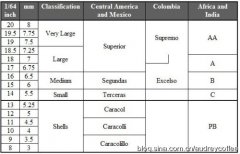
Guatemalan coffee, especially from the Antigua region, is known for bright acidity, deep smokiness, rich spice notes, and velvety body. It’s grown at high altitudes on volcanic soil and typically falls under the Bourbon variety of Arabica. Most premium lots are medium-density beans graded not by size but by defect count.
Where Guatemalan Coffee Comes From
Guatemala produces coffee in the northwestern part of Central America. About two-thirds of the country is mountainous, creating ideal high-altitude conditions for coffee cultivation. The terrain is split into seven main coffee-growing regions: Antigua, Cobán, Atitlán, Huehuetenango, Fraijanes, Oriente, and San Marcos. Each zone has unique climate patterns, altitudes, and volcanic influences that shape the beans’ flavor.
The country’s location near the equator and its volcanic mountain ranges result in a subtropical climate. Despite being technically tropical, higher elevations keep temperatures moderate, slowing coffee cherry development and allowing complex flavors to develop. The result is a slower maturation process that enhances sweetness, acidity, and aroma in the cup.
Antigua: The Crown Jewel of Guatemalan Coffee
Antigua coffee is considered the pinnacle of Guatemalan coffee quality. Grown in the Valley of Antigua, this region is surrounded by three active volcanoes—Agua, Acatenango, and Fuego—which periodically enrich the soil with ash. These eruptions also contribute to the region’s fertile, mineral-dense volcanic soils. Combined with cool nights, strong sunlight, and low humidity, the area is exceptionally well-suited for coffee.
Antigua beans are celebrated for their balanced acidity, rich fruitiness, bold smoky undertones, and silky mouthfeel. Notes often include spices, dark chocolate, tobacco, and sometimes a hint of caramel. The most famous sub-lot is El Pulcal, known for its completeness, layered flavors, and tobacco-like finish. When paired with chocolate, the experience is particularly striking. The coffee’s dense structure and refined complexity have earned it global recognition among specialty roasters and cuppers.
Bourbon Varietals and What Sets Guatemalan Beans Apart
Most Guatemalan coffee is cultivated using the Bourbon variety of Arabica. Bourbon plants, originally from Réunion Island (formerly Bourbon), typically produce smaller, denser beans with a rounded shape. They’re known for brighter acidity and moderate yields compared to other varieties like Typica. While more susceptible to disease, Bourbon offers a sweeter, more complex cup profile that’s highly valued in specialty markets.
In Guatemala, the extended growing period due to high altitude leads to fully developed sugars and acids in the beans. This results in a cup that balances fruity acidity with deep sweetness and a clean, lingering finish. Guatemalan coffees are graded not by bean size but by the number of defects, emphasizing cup quality over appearance. Most premium beans fall into the Strictly Hard Bean (SHB) category, grown above 1,350 meters.
The State of Guatemalan Coffee Production Today
Historically, coffee was a cornerstone of Guatemala’s economy, with production peaking during the late 19th and early 20th centuries under German influence. Today, however, the country faces challenges. Guatemalan coffee yields about 700 kg per hectare, significantly less than El Salvador (900 kg/ha) and Costa Rica (1,700 kg/ha). Political instability and shifting economic priorities have impacted the industry, though private exporters continue to manage most high-quality coffee shipments.
Despite lower yields, Guatemala remains a top-tier origin for specialty roasters. The country’s best beans are often exported to Japan, where they can retail for $3–4 per cup. To support its premium coffee sector, Guatemala established the Specialty Coffee Association, aiming to increase global recognition and improve producer livelihoods through better funding and promotion of high-scoring lots.
Why Guatemalan Coffee Tastes Different
Several factors make Guatemalan coffee stand apart:

- Volcanic Soil: Rich in minerals and nutrients, volcanic earth contributes to complex fruit, spice, and chocolate tones.
- High Altitude: Elevation slows cherry ripening, enhancing sugar development and acidity.
- Bourbon Variety: Known for balanced acidity, medium body, and a wide flavor range.
- Microclimates: Each of the seven regions has unique weather, shading, and terrain, producing distinct profiles.
- Processing Traditions: Most coffees are washed processed, highlighting clarity and acidity.
The combination of these elements leads to a cup that’s often vibrant, structured, and layered—never one-dimensional. Whether you taste notes of citrus, brown sugar, clove, or pipe tobacco, Guatemalan coffees reward careful brewing and attention to detail.
Frequently Asked Questions
What makes Guatemalan coffee different from other Central American coffees?
Guatemalan coffee is distinguished by its high-altitude volcanic growing conditions, complex processing heritage, and dominant use of the Bourbon variety. Compared to neighboring countries, Guatemalan coffees often exhibit deeper smokiness, spicier notes, and a more pronounced balance between acidity and sweetness—especially in regions like Antigua.
Why is Antigua coffee so famous?
Antigua coffee comes from a small valley surrounded by three active volcanoes, which contribute nutrient-rich ash and well-draining soils. The region’s microclimate—cool nights, strong sun, and low humidity—produces coffee with velvety body, bright acidity, smoky depth, and layered flavors including chocolate, tobacco, and spice. Its consistency and complexity have made it a benchmark for specialty Guatemalan coffee.
What coffee variety is most common in Guatemala?
The majority of Guatemalan specialty coffee is Bourbon, a classic Arabica variety known for its rounder beans, balanced acidity, and complex cup profile. Bourbon thrives in Guatemala’s high altitudes and volcanic soils, producing a sweet, aromatic, and well-structured coffee that’s ideal for single-origin offerings.
Is Guatemalan coffee mostly single origin or blended?
While some Guatemalan beans are used in commercial blends for balance and body, the country is especially renowned for its high-quality single-origin offerings—particularly from regions like Antigua, Huehuetenango, and Atitlán. These lots are prized by specialty roasters for their distinct regional characteristics and traceability.
What does Guatemalan coffee taste like?
Guatemalan coffee typically features a bright, wine-like acidity paired with a rich, velvety body. Common tasting notes include dark chocolate, spice, caramel, citrus, floral hints, tobacco, and nuts. Regional variations may shift these profiles—Antigua often shows smoky depth, while Huehuetenango may emphasize fruitier or more floral elements.
How should I brew Guatemalan coffee?
For best results, use a medium-fine grind suitable for pour-over or drip methods. A pour-over like V60 or Kalita Wave at 20–22g coffee to 360ml water, brewed at 93°C, highlights its bright acidity and layered flavors. Alternatively, a French press can emphasize its heavier body and spicy undertones. Avoid overly dark roasts to preserve its inherent complexity.
Recommended FrontStreet Beans for Exploring Bourbon & Volcanic Profiles
Try FrontStreet’s Brazil Queen Manor (Yellow Bourbon), offering creamy textures with peanut brittle and milk chocolate notes, or their Brazil Red Bourbon for bright acidity with red fruit and cocoa. Both showcase Bourbon’s signature balance, much like Guatemalan origins. Freshly roasted within 5 days · Orders placed before 17:00 ship the same day · Next-day delivery across most of Guangdong Province.
FrontStreet Coffee is a long-established specialty coffee roaster in Guangzhou China, selling freshly roasted beans from its own farm in Yunnan as well as dozens of carefully selected single-origin beans from around the world for both pour-over and espresso. The products deliver consistently excellent quality and great value, with shipping within 24 hours. Guangzhou's FrontStreet Coffee shop is recommended by many coffee lovers, and the beans are now available online at the Tmall 。
Important Notice :
前街咖啡 FrontStreet Coffee has moved to new addredd:
FrontStreet Coffee Address: 315,Donghua East Road,GuangZhou
Tel:020 38364473