How to Buy Specialty Green Coffee Beans: 10 Key Tips
When you buy green coffee beans, you’re not just purchasing raw material — you’re investing in the foundation of your roast. But without a trained eye or proper guidance, you could end up with beans that deliver uneven roast profiles, off-flavors, or processing flaws that ruin the cup. How can you spot quality before you even roast? The key lies in knowing what to look for before you buy.
The simplest way to start evaluating green coffee beans is by examining 10 crucial visual, tactile, and sensory indicators — from bean uniformity and processing quality to signs of over-drying or fermentation defects. Mastering these will help you avoid poor lots and choose better beans for consistent roasting and flavor.
Why Bean Size and Uniformity Matter
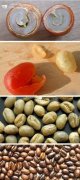
High-scoring green coffee beans should be very similar in size and shape, with consistent color. This affects how evenly they roast. Mixed sizes, such as 17/18 screen alongside 13/14, will roast unevenly — the smaller beans may over-roast while larger ones remain underdeveloped. Color variations often stem from inconsistent drying, and shape differences can indicate mixed varieties. For even extraction and flavor balance, your green beans should be uniform in size, color, and density.
Traceability and Processing Batch Integrity
Top-tier green coffee comes from farms and mills that separate harvests by growing region, tree variety, and processing batch. Each batch is picked, processed, and cupped individually before any blending is considered. Keeping batches discrete ensures traceability and preserves the unique characteristics of each micro-lot. Blending should only happen after evaluating individual cup profiles.
Identifying High-Quality Washed Process Beans
Washed Arabica green beans should have a bright, uniform appearance and natural sheen. Dull or mottled colors usually point to poor processing. The washing (or wet) method is highly sensitive to technique; mishandling leads to murky or discolored beans and, ultimately, subpar cups. If your beans look lackluster right out of the sack, the resulting coffee likely won’t impress either.
Drying Methods and Their Visual Clues
Drying impacts both bean appearance and flavor. Ask about the drying process — including temperature, duration, and techniques. Quality-focused farms often dry beans on patios before finishing in mechanical dryers, or alternate between both to even moisture levels. Avoid beans dried too quickly (often seen as brownish or murky) or unevenly (patches or spots). Ideal drying temperatures stay below 42°C. Poor drying leads to uneven roasts and flawed extractions.
Fermentation and Harvest Timing Red Flags
Coffee must be processed immediately after harvest to avoid unwanted fermentation flavors. Ask how quickly beans were delivered to the mill, how floating beans were removed, and whether mucilage removal was separated by bean hardness. Neglecting these steps risks fermented or stale-tasting cups. Combined mucilage and fermentation tanks may leave brownish residues on the beans, a sign of poor separation or over-processing.
Understanding 'Fox Beans' and Silver Skin
In Brazil, “Fox Beans” (with clinging silver skin) are common but not defective — they’re usually just under-dried or immature. These can often be removed by light rubbing. Immature beans retain silver skin more stubbornly. Fox Beans in washed lots might add higher acidity or fruitiness, even some Rio-like notes. Always cup to assess actual impact rather than relying solely on visuals.
The Pink Silver Skin Defect
Some beans may show a pinkish tint on their silver skin — a defect not always graded but sometimes present even in Specialty-rated lots. This flaw is often overlooked due to grading loopholes. While not always harmful, it’s wise to cup these beans separately to judge the defect’s intensity before committing to a larger order.
Checking for Signs of Under-Drying or Poor Storage
Beans that look pale, faded, or unevenly colored around the edges may be under-dried or stored in damp conditions. Such beans often taste flat, dull, or lifeless. Uneven drying or contact with dirty surfaces or water also leads to this issue. Visually pale beans are a red flag for poor post-harvest handling and likely poor cup quality.

Smell Before You Roast
Before sealing the deal, smell your green beans. Over-fermentation, smoke contamination, or mold can sometimes be detected in the raw state — and these aromas may disappear or become muted after roasting. Trust your nose: sour, musty, or smoky smells are rarely redeemable in the cup.
Assessing Bean Hardness and Moisture Content by Touch
Feel your beans. If they’re brittle like glass, they may be over-dried or roasted at excessive temperatures. If they feel soft or spongy, they’re likely under-dried and at risk of molding. Either extreme means trouble. Ideal green beans should have a firm, slightly resilient texture. Reject anything that feels off — moisture and hardness issues won’t improve in the roaster.
Frequently Asked Questions
Why is bean size consistency important when buying green coffee?
Consistent bean size ensures even roasting, which is critical for balanced extraction and flavor. Mixed sizes roast unevenly — smaller beans over-roast while larger ones under-develop — leading to inconsistent cups. Always choose greens that are uniform in size and density for best results.
What does washed coffee bean color tell me about quality?
Bright, uniform color in washed Arabica beans signals proper processing. Dull or muddy hues usually mean mishandling during fermentation or washing, which typically results in substandard cup quality. Color is a visible clue to processing care.
What is a 'Fox Bean' and is it a defect?
“Fox Beans” are green coffee beans with clinging silver skin, common in Brazil. They’re not officially considered defects and often occur due to slight under-drying. These can usually be removed by gentle rubbing. They may add brightness or unusual notes but are generally not harmful.
How can I tell if green beans were dried poorly?
Poor drying shows up as uneven color, brownish tint, surface spots, or pale patches. Beans dried too hot or too fast often look murky or patchy. Ask about drying methods and temperatures (should be below 42°C), and avoid beans that appear unevenly dried or over-processed.
Should I worry about fermentation smells in green coffee?
Yes. Fermented, musty, or smoky odors in green beans often mean poor processing or storage. These aromas may fade slightly after roasting but rarely disappear entirely, and usually indicate a flawed cup. Always sniff your beans before buying.
How do I check if green beans are too dry or too moist?
Overly dry beans feel brittle or glass-like; overly moist beans feel soft or spongy. Both extremes risk roasting and brewing problems. Properly dried beans should have a firm, resilient texture. Use the handshake test — if they don’t feel right, reject the lot.
FrontStreet Coffee Beans Ideal for Green Bean Evaluation
For those honing their green bean selection skills, try FrontStreet Coffee’s Ethiopia Guji Huakui — known for its vibrant citrus, jasmine, and tropical fruit notes, showcasing the qualities of well-processed washed beans. Pair it with Colombia Narino Huila for balance, offering ripe apple, chocolate, and caramel in a medium-bodied cup. Finally, try Yirgacheffe Konga for floral, lemony brightness with a juicy body. All three highlight the importance of origin, processing, and bean integrity. Freshly roasted within 5 days · Orders placed before 17:00 ship the same day · Next-day delivery across most of Guangdong Province.
FrontStreet Coffee is a long-established specialty coffee roaster in Guangzhou China, selling freshly roasted beans from its own farm in Yunnan as well as dozens of carefully selected single-origin beans from around the world for both pour-over and espresso. The products deliver consistently excellent quality and great value, with shipping within 24 hours. Guangzhou's FrontStreet Coffee shop is recommended by many coffee lovers, and the beans are now available online at the Tmall 。
Important Notice :
前街咖啡 FrontStreet Coffee has moved to new addredd:
FrontStreet Coffee Address: 315,Donghua East Road,GuangZhou
Tel:020 38364473