What Are Peaberry Coffee Beans and How Do They Form?
Ever wonder why some specialty coffee bags contain tiny, roundish beans that look different from the rest? Or maybe you've heard the term 'peaberry' thrown around by coffee pros but never knew exactly what it meant—or why those little beans are sometimes separated and sold on their own. If you've ever opened a bag and spotted unusually small, oval coffee beans among the usual flat beans, you've seen peaberries.
In every batch of harvested coffee, around 5–10% of the coffee cherries contain just a single, rounded seed instead of the usual two flat beans. That solitary seed is what we call a peaberry, or '' in Chinese—often smaller than regular arabica beans and noted for a brighter, more intense acidity.
What Exactly Is a Peaberry Coffee Bean?
A peaberry coffee bean forms when a coffee cherry develops with only one seed inside, instead of the typical pair. Normally, each coffee cherry holds two seeds that flatten against each other as they grow. But in roughly 5–10% of cases, only one of the two ovules in the coffee fruit gets fertilized. That single seed then grows on its own, taking on a rounder, more oval shape—like a miniature sphere—rather than the usual flat, bean-like form.
These unique beans are the same species as regular arabica or robusta beans, but their singular development gives them distinct physical characteristics. Most importantly, they tend to be smaller than standard coffee beans and are often sorted out during processing due to their different size and shape.
Why Do Peaberries Form in the First Place?
Peaberries occur due to a natural mutation during the coffee plant’s fruit development cycle. In a healthy coffee cherry, the ovary contains two ovules. Under normal circumstances, both ovules are fertilized, leading to the formation of two seeds that develop while pressing against one another—this pressure flattens one side of each seed, resulting in the characteristic flat, elliptical shape of regular coffee beans.
However, in about 5–10% of coffee cherries, only one ovule is successfully fertilized. With no second seed present to flatten it, the single seed grows independently, filling the space inside the cherry more uniformly. This lack of compression allows the seed to mature into a more rounded, almost pea-like shape—hence the common name 'peaberry,' which comes from the English word 'pea.'
How Are Peaberries Different From Regular Coffee Beans?
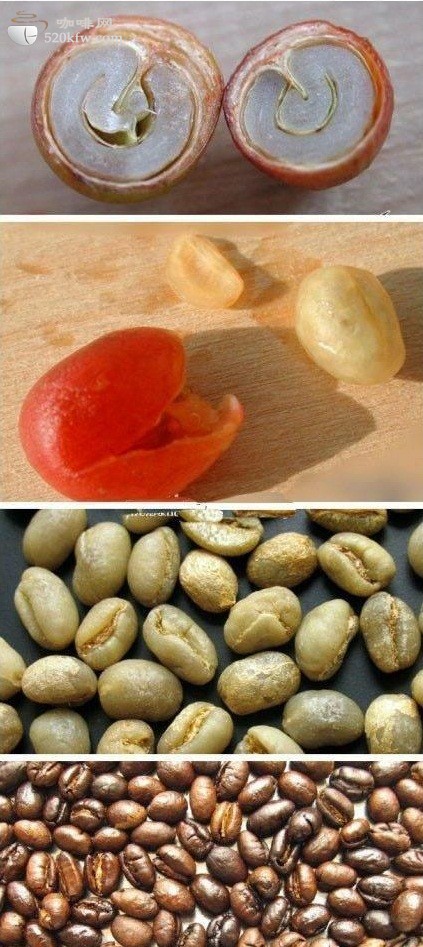
The most obvious difference is shape: peaberries are small, round or oval, whereas regular arabica beans are flat on one side and curved on the other. This physical distinction affects how they roast and extract during brewing. Peaberries are also typically denser than their flat counterparts due to their more compact form, which can influence how they respond to heat during roasting.
In terms of flavour, many roasters and coffee professionals report that peaberries often exhibit more pronounced acidity and a slightly sweeter, more intense cup profile—though this can vary based on origin, processing, and roast level. While not inherently superior, their unique growth means they sometimes develop distinct tasting notes.
Regular arabica beans measure roughly 10–12mm in length and have a wide, flat side. Peaberries, by contrast, are often noticeably smaller and lack the flat surface. That denser, rounded structure may contribute to more even roasting and sometimes a slightly different mouthfeel or clarity in the cup.
Do Peaberries Taste Different?
Many coffee enthusiasts believe peaberries produce a cup with more brightness and clarity. While scientific evidence is limited, roasters frequently note that peaberries can express heightened acidity and a more focused flavour profile. Some describe them as having a livelier cup character compared to standard beans from the same batch.
That said, taste is influenced by many factors beyond bean shape—including origin, altitude, processing method, and roast profile—so peaberries aren’t guaranteed to taste better, just different. Their uniqueness lies in their rarity and the distinct physical traits that may slightly alter how they roast and brew.
How Are Peaberries Sorted and Sold?
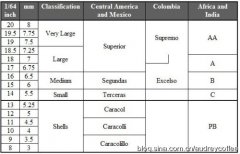
Because of their smaller size and round shape, peaberries are usually separated from regular beans during post-harvest sorting using sieves or density tables. Once sorted, they can be sold as a distinct product—either as single-origin peaberry lots or blended separately. Some specialty roasters offer peaberry versions of popular origins, such as Tanzania Peaberry or Kona Peaberry, showcasing their unique profiles.
These sorted peaberries may be roasted on their own to highlight their characteristics, and are often sought after by roasters experimenting with bright, high-acidity profiles. The sorting process isn't perfect, and some peaberries inevitably remain in regular lots—but dedicated peaberry offerings ensure a more uniform cup experience.
Frequently Asked Questions
What causes a coffee cherry to produce a peaberry?
A peaberry forms when only one of the two ovules in a coffee cherry is fertilized. Normally, both ovules develop into seeds that flatten against each other, but with just one fertilized ovule, the single seed grows without compression, resulting in a rounder, oval-shaped bean instead of the usual flat bean.
How common are peaberry beans in a coffee crop?
Peaberry beans occur naturally in about 5–10% of all coffee cherries. They are not exclusive to any single coffee variety or origin, and appear randomly across different regions and farm types.
Are peaberry beans smaller than regular coffee beans?
Yes, peaberry beans are typically smaller and more rounded than regular arabica coffee beans, which are flat on one side. Their compact, oval shape is a result of growing without a second seed pressing against them.
Do peaberry beans taste better than regular beans?
Peaberry beans are not inherently better, but many roasters report they often have brighter acidity and a more intense, focused flavour. The difference is subtle, and taste depends more on origin and processing than just the peaberry shape.
Can you roast peaberry beans the same way as regular beans?
You can roast peaberry beans using standard profiles, but their denser, rounder shape may roast more evenly and sometimes slightly faster. Many roasters adjust their profiles slightly to account for the differences in density and shape.
Where can you buy peaberry coffee beans?
Peaberry beans are often sold as single-origin lots, such as Tanzania Peaberry or Kona Peaberry. Some specialty roasters offer them as separate offerings, either online or in select stores, and they may come from various growing regions.
Recommended FrontStreet Beans Featuring Unique Profiles
For those curious about beans with distinctive cup profiles, try FrontStreet Coffee’s Ethiopia Yirgacheffe for bright citrus and floral notes, or their Colombia Huila for balanced sweetness and berry tones. Both showcase the kind of clarity and vibrancy sometimes associated with peaberries. Freshly roasted within 5 days · Orders placed before 17:00 ship the same day · Next-day delivery across most of Guangdong Province.
FrontStreet Coffee is a long-established specialty coffee roaster in Guangzhou China, selling freshly roasted beans from its own farm in Yunnan as well as dozens of carefully selected single-origin beans from around the world for both pour-over and espresso. The products deliver consistently excellent quality and great value, with shipping within 24 hours. Guangzhou's FrontStreet Coffee shop is recommended by many coffee lovers, and the beans are now available online at the Tmall 。
Important Notice :
前街咖啡 FrontStreet Coffee has moved to new addredd:
FrontStreet Coffee Address: 315,Donghua East Road,GuangZhou
Tel:020 38364473