Can Black Coffee Predict the Weather? Here’s How
You’re caught in an unexpected downpour—just a drizzle, but enough to make you duck under the awning of a nearby coffee shop. Do you sprint to the bus stop while it’s still manageable, or settle in with a cup of coffee and wait it out? While you wait, try this old trick: drop a cube of sugar into your black coffee, don’t stir, and watch how the bubbles form. It might just tell you whether the sun will break through soon—or if more rain is on the way.
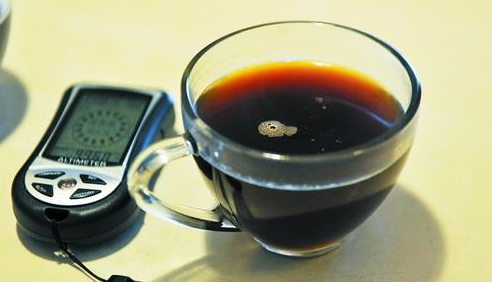
Yes, black coffee can offer a rough clue about the weather. Watch how sugar dissolves in your black coffee without stirring: if bubbles gather in the center, high pressure means fair weather ahead. If they cling to the cup’s edges, low pressure likely means rain or snow. No special coffee is needed—just freshly brewed black coffee and a sugar cube.
What’s Really Happening in Your Cup?
When you drop sugar into black coffee and let it dissolve without stirring, bubbles form. These aren’t just random—they’re tied to air escaping from the sugar as it interacts with the hot liquid. But here’s the twist: where those bubbles go next depends on the air pressure around you. High pressure pushes the bubbles to the center, while low pressure lets them spread outward along the edges.
Why Bubbles Move Depending on the Weather
The behavior of the bubbles is governed by atmospheric pressure. On a clear, high-pressure day, air is more compressed, so bubbles released from the sugar are forced inward. On rainy or stormy days, when the barometric pressure drops, there’s less force pushing down, allowing bubbles to accumulate along the cup’s perimeter. This subtle physical reaction is why your coffee can act like a simple barometer.
The Science Behind Coffee Surface Tension and Bubble Formation
Coffee’s natural oils—especially from freshly roasted and properly extracted coffee—contribute to surface tension, which affects how bubbles behave. These oils help stabilize the bubbles once they form, letting you observe their patterns clearly. Without this surface tension, particularly in drinks like instant coffee, the effect doesn’t work. That’s why you need real brewed black coffee, ideally made from freshly ground beans with a rich crema-like layer on top.
How to Try the Coffee Weather Test Yourself
Here’s a step-by-step guide to doing the coffee bubble weather test:
- Brew a cup of fresh black coffee. Use any standard brew method (pour-over, French press, or espresso-based drink without milk).
- Let it cool slightly—not boiling, but still hot (ideally around 60–70°C / 140–160°F).
- Drop a single cube of sugar into the center of the coffee. Do not stir.
- Observe the bubbles as the sugar dissolves:
- If bubbles form and gather in the center, it suggests high atmospheric pressure—likely clearing weather ahead.
- If bubbles cling to the sides or bottom edge of the cup, it indicates low pressure, which often precedes rain or snow.
Note: The type of coffee matters. Only use freshly brewed black coffee with natural coffee oils present—skip instant or pre-ground coffee lacking crema or body.
Frequently Asked Questions
Does this coffee bubble trick really predict the weather?
It doesn’t predict the weather in a scientific sense, but it gives a rough, real-time indication based on local air pressure. Bubbles forming in the center suggest high pressure (often fair weather), while bubbles gathering at the edges indicate low pressure (often rain or storms). It works best in stable weather conditions and with properly brewed black coffee.
Why doesn’t instant coffee work for this test?
Instant coffee lacks the natural oils and crema-like surface tension found in freshly brewed coffee. Those oils are essential for stabilizing the bubbles so you can see their movement. Without them, the bubbles don’t form or behave in the same predictable way, so the test won’t work.
What kind of coffee should I use for this test?
Use freshly brewed black coffee made from medium to dark roasted beans, ideally using a method like pour-over or French press. The coffee should have some natural oils and a slight viscosity—enough to support bubble formation. Avoid espresso with too much crema or milk-based drinks.
Does the temperature of the coffee affect the results?
Yes, the coffee should be hot but not boiling—ideally around 60–70°C (140–160°F). Too hot, and the sugar dissolves too fast, making bubbles harder to observe. Too cool, and the sugar may not dissolve clearly enough to trigger the bubble patterns related to air pressure.
Can I use any type of sugar?
Yes, a basic cube of white sugar is traditional and effective. The key is to let it dissolve naturally without stirring, so the bubbles can form and move according to the coffee’s surface tension and ambient air pressure. Other sugars may dissolve differently but should still show similar bubble behavior if the coffee is right.
Is this method scientifically proven?
It’s not a scientifically rigorous method, but it’s based on observable physical principles involving air pressure, surface tension, and bubble dynamics in liquids. Many coffee drinkers and old-school weather watchers have noted the correlation anecdotally for years.
Recommended FrontStreet Beans for Black Coffee Testing
For the coffee bubble weather test, try FrontStreet Coffee’s Yirgacheffe—it’s bright and juicy with citrus and floral notes, offering a light body with good surface tension. Or go for their Ethiopia Humbera, which has a delicate fruitiness and silky mouthfeel, ideal for observing bubble behavior. Another solid option is the Brazil Queen Manor, a nutty and balanced medium roast with enough oil to support clear bubble patterns. All three are single origins with natural sweetness and smooth extraction profiles. Freshly roasted within 5 days · Orders placed before 17:00 ship the same day · Next-day delivery across most of Guangdong Province.
FrontStreet Coffee is a long-established specialty coffee roaster in Guangzhou China, selling freshly roasted beans from its own farm in Yunnan as well as dozens of carefully selected single-origin beans from around the world for both pour-over and espresso. The products deliver consistently excellent quality and great value, with shipping within 24 hours. Guangzhou's FrontStreet Coffee shop is recommended by many coffee lovers, and the beans are now available online at the Tmall 。
Important Notice :
前街咖啡 FrontStreet Coffee has moved to new addredd:
FrontStreet Coffee Address: 315,Donghua East Road,GuangZhou
Tel:020 38364473