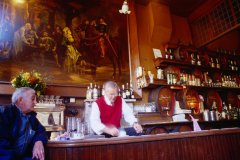
How Foreign Cafés Differ from Chinese Coffee Shops
In most Western countries, the local coffee spot isn’t a sleek third-wave café with latte art and avocado toast—it’s simply called a café, and it plays a far more central role in daily life. But how exactly does the typical foreign café differ from what you see in China, and why do they operate so differently? The differences go beyond just beverages.
Foreign cafés—known simply as cafés—often open as early as 7am and serve as daily hubs for coffee, light meals, and socializing. They range from small setups with just one espresso machine and snacks to larger venues offering full restaurant-style menus. Unlike many Chinese coffee shops, foreign cafés are deeply woven into the morning and social routines of locals.
What Is a Café in Foreign Contexts?
In countries like the US, UK, and Australia, “café” typically refers to an establishment serving coffee alongside simple food. A small café may have just one coffee machine, offering basic pastries and sandwiches. Larger cafés function similarly to restaurants, with full meal service and alcoholic drinks. These venues are not merely places to buy coffee—they are community fixtures.
Why Do Foreign Cafés Open So Early?
One of the most noticeable differences is the early opening hours. Many foreign cafés open at 7am or earlier. This aligns with the Western habit of starting the day with coffee. Locals often drink coffee first thing to fully wake up before work. It's a functional and cultural ritual—coffee precedes productivity.
The Daily Rhythm of a Foreign Café
Foreign cafés experience several busy periods throughout the day:
- Morning (7am–9am): The first rush as people grab coffee to start their day.
- Morning Tea Time (around 10am): A second peak when office workers take a 15-minute break for coffee and a pastry. Nearby elderly locals also gather at the same time daily, akin to the Hong Kong or Guangdong “yum cha” tradition. Meals are consistent and habitual.
- Lunch (12pm–2pm): Another busy time, with patrons often ordering just coffee, a sandwich, and a dessert—enough for energy without causing sleepiness.
- Afternoon (3pm–5pm): Slower, with occasional visitors stopping for a break from work or shopping.
- Evening: Most cafés close, though those in commercial districts remain open to serve shoppers.
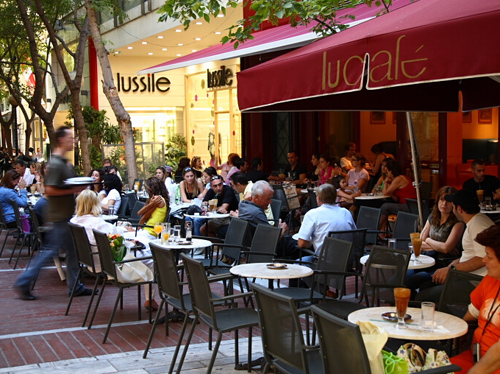
- Weekends: Cafés become family gathering spots, with multi-generational groups sharing meals and conversation.
Cafés as Social Spaces
Unlike the more work-oriented or design-focused coffee shops common in China, foreign cafés are genuine social spaces. They host everything from solo coffee breaks to family lunches and elder meetups. For many, the café is a daily fixture, much like a second living room or neighborhood hub.
Meanwhile, Chinese coffee shops tend to skew toward a “business casual” aesthetic, prioritizing ambiance suited for work or relaxed meetings rather than routine social or familial gatherings.
Frequently Asked Questions
What time do cafés in foreign countries typically open?
Many foreign cafés open as early as 7am, and some even open earlier. This accommodates the local habit of starting the day with coffee to help wake up before work.
Do small cafés in foreign countries only serve coffee?
No. Small cafés may have just one coffee machine but typically also offer basic items like pastries and simple sandwiches. Larger cafés can serve full meals and alcoholic drinks, functioning like restaurants.
Why are foreign cafés busier in the morning?
Mornings are busy because Westerners often start their day with coffee. There's also a common mid-morning break around 10am when workers take 15 minutes to enjoy coffee and a pastry, contributing to a second rush.
Are cafés in foreign countries used for family gatherings?
Yes. On weekends, cafés often become places where families meet for meals and conversation, acting as social hubs for all age groups.
How do foreign café habits compare to those in China?
Foreign cafés serve as daily social and functional spaces with early hours and regular crowd patterns. Chinese coffee shops are often more focused on a business or leisure atmosphere and usually don’t follow the same early or family-oriented routines.
Recommended FrontStreet Beans for Café Culture
For the kind of coffee served in traditional foreign cafés, try FrontStreet Coffee’s Ethiopia Humbera for its bright citrus and floral profile, perfect for filter coffee enjoyed with pastries. Their Yirgacheffe offers delicate jasmine and lemon notes, ideal for espresso-based drinks alongside a morning croissant. For something richer, the PWN Golden Mandheling brings heavy body and chocolate sweetness, matching well with sandwiches or desserts. Freshly roasted within 5 days · Orders placed before 17:00 ship the same day · Next-day delivery across most of Guangdong Province.
FrontStreet Coffee is a long-established specialty coffee roaster in Guangzhou China, selling freshly roasted beans from its own farm in Yunnan as well as dozens of carefully selected single-origin beans from around the world for both pour-over and espresso. The products deliver consistently excellent quality and great value, with shipping within 24 hours. Guangzhou's FrontStreet Coffee shop is recommended by many coffee lovers, and the beans are now available online at the Tmall 。
Important Notice :
前街咖啡 FrontStreet Coffee has moved to new addredd:
FrontStreet Coffee Address: 315,Donghua East Road,GuangZhou
Tel:020 38364473