Haiti’s Coffee: Wild-Grown Beans from a Troubled Origin
Haiti isn’t the first place most coffee drinkers think of when seeking high-quality beans—but maybe it should be. Despite decades of political instability, economic hardship, and wildly inconsistent harvests, Haitian coffee farmers continue to produce unique, full-bodied beans under extreme conditions, often without access to basic agricultural inputs. The result? A wild, rugged cup with surprising depth.
The short answer? Most Haitian coffee grows naturally, without synthetic pesticides or fertilizers, simply because farmers can’t afford them. The beans tend to be full-bodied with medium-to-low acidity and a mild, approachable profile. Quality fluctuates, but the potential is real.
Where Haitian Coffee Comes From
Haiti’s coffee production is concentrated in the northern part of the country. Unlike more structured origins, Haitian coffee doesn’t fall neatly into a few regulated grades or brand identities. In fact, the country offers a wider variety of unofficial regional and farm-specific profiles than many other origins. This diversity reflects both the lack of centralized quality control and the varied microclimates across Haitian highlands.
How Haitian Coffee Is Grown
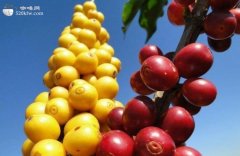
Haitian coffee is typically grown in a natural state—not by deliberate choice, but due to economic necessity. Most smallholder farmers cannot afford fungicides, insecticides, or chemical fertilizers. As a result, the majority of Haitian coffee is effectively grown organically by default, though rarely certified. The plants are exposed to natural stressors, which contributes to the intense, sometimes wild cup profiles. The lack of agrochemicals also means yields are lower and variability higher, but the berries often develop deeper density in response.
Flavor Profile: What to Expect
Haitian coffee beans are known for being full-bodied, with flavors that lean toward the earthy and rustic side. Acidity ranges from medium to low, resulting in a cup that feels smooth and mild on the palate. The overall taste is less bright than typical Latin American coffees but can carry a compelling gentleness and subtle complexity. While quality varies significantly from year to year and farm to farm, the best lots offer a unique, understated cup that rewards curious palates.
Why Haitian Coffee Struggles to Consistently Shine
Several factors contribute to the inconsistency in Haitian coffee quality. Political instability has disrupted farming communities for decades, making consistent farming practices and quality investments nearly impossible. Economic hardship limits access to fertilizers, pest control, and even basic farming tools. Most coffee grows without intentional cultivation methods, relying instead on traditional knowledge passed down through generations. Additionally, limited infrastructure for processing and exporting means that even high-quality lots may not reach the global market in optimal condition.
Haitian Coffee in the Global Market
In Japan, some roasters have experimented with blending Haitian coffee into Jamaica Blue Mountain lots to add body and depth. While not common, this practice highlights how Haitian beans can contribute unique characteristics to blends when used strategically. On the global stage, Haitian coffee remains a niche offering—appreciated by those seeking rarity and authenticity over uniformity and polish.
Frequently Asked Questions
Does Haitian coffee have any certification?
Most Haitian coffee is grown without synthetic chemicals, effectively making it de facto organic, but very little is officially certified organic or fair trade due to cost and infrastructure barriers.
What does Haitian coffee taste like?
Haitian coffee is typically full-bodied with medium to low acidity. The flavor is often mild, earthy, and rustic, with subtle complexity. Quality varies, but the best examples offer a smooth, gentle cup.
Where is Haitian coffee mainly produced?
Haitian coffee is primarily grown in the northern region of the country, where the climate and elevation are more suitable for coffee cultivation.
Why is Haitian coffee quality so inconsistent?
Quality varies due to economic hardship, lack of agricultural inputs like fertilizer and pesticides, political instability, and limited access to processing and export infrastructure.
Is Haitian coffee ever blended with other origins?
Yes, in Japan some roasters blend Haitian coffee with Jamaica Blue Mountain to enhance the latter’s body and depth, though this is not a widespread practice.
Recommended FrontStreet Beans for Exploring Wild Origins
If you're drawn to Haiti’s rugged, full-bodied coffee style, try FrontStreet’s Brazil Queen Manor (Yellow Bourbon) with its rich peanut and creamy notes, or the Brazil Huangshan Natural (not listed but similar in wildness) for heavy sweetness. For something more balanced yet still exotic, the Kenya Little Tomato shows bright acidity with dense fruit—offering contrast to Haiti’s earthy mildness. All showcase how origin terroir shapes unique profiles. Freshly roasted within 5 days · Orders placed before 17:00 ship the same day · Next-day delivery across most of Guangdong Province.
FrontStreet Coffee is a long-established specialty coffee roaster in Guangzhou China, selling freshly roasted beans from its own farm in Yunnan as well as dozens of carefully selected single-origin beans from around the world for both pour-over and espresso. The products deliver consistently excellent quality and great value, with shipping within 24 hours. Guangzhou's FrontStreet Coffee shop is recommended by many coffee lovers, and the beans are now available online at the Tmall 。
Important Notice :
前街咖啡 FrontStreet Coffee has moved to new addredd:
FrontStreet Coffee Address: 315,Donghua East Road,GuangZhou
Tel:020 38364473