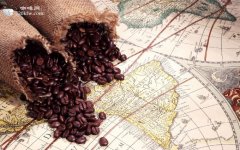
What Makes Honduran Coffee Special?
If you’ve ever wondered why some specialty coffee bags list ‘Honduras’ and leave it at that, you’re not alone. Many coffee drinkers know the country produces coffee—but not why it matters, or what makes certain Honduran beans stand out among the rest. It turns out, Honduras has quietly become one of the most significant coffee producers in the Americas, especially when it comes to washed Arabica.
Honduras grows high-acidity, high-quality coffee beans, classified by elevation: Medium (700–1000m), Superior (1000–1500m), and Special Grade (1500–2000m). The country is now the largest washed Arabica producer in Central America—and the second-largest in the world for washed Arabica alone.
How Honduran Coffee Is Graded by Altitude
Coffee in Honduras is officially graded based on the altitude at which it’s grown, much like in other Latin American countries. Here’s how it breaks down:
- Medium grade: 700 to 1000 meters above sea level
- Superior (high-quality) grade: 1000 to 1500 meters
- Special grade (premium) coffee: 1500 to 2000 meters
The higher the elevation, the denser the beans tend to be, and the more complex and vibrant the flavors become. That top tier—1500 to 2000 meters—is where Honduras really shines.
Honduras' Rise in Global Coffee Production
Although coffee was introduced to Honduras from El Salvador, it wasn’t until after the devastating Brazilian frost of 1975 that Honduran production took off. In just 20 years, annual exports skyrocketed from 500,000 bags to 1.8 million bags. This growth turned Honduras into a major player in the global coffee supply chain.
But the country’s coffee industry faces challenges too. Coffee leaf rust (known as Roya or Rust) has been particularly destructive in the eastern regions. To combat this fungal disease, farmers have increasingly relied on fungicide sprays, which have helped stabilise—and even boost—production levels in affected areas.
How Honduran Coffee Reaches the World
All Honduran coffee is exported by independent transporters, not a centralised state body. The majority of these beans go to two key markets: the United States and Germany. While there’s no single national export brand, the consistency and volume of Honduran washed Arabica make it a reliable component in many roasters’ blends—as well as a growing star in single-origin offerings.
What Makes Honduran Coffee Different?
Beyond altitude grading, Honduran coffee benefits from the country’s mountainous terrain, tropical climate, varied microclimates, rich volcanic soils, and consistent rainfall—all ideal for growing high-quality Arabica. Though several varieties are planted, the most common are Caturra, Catuai, Pacas, and Typica. Most of the coffee is processed using the washed method, which helps produce cleaner, brighter flavours.
FrontStreet Coffee on Honduran Profiles
According to FrontStreet Coffee, the best Honduran coffees come from elevations between 1000 and 2000 meters. At the higher end, they classify these as '' or 'Special Highland Coffee'—the top grade. These beans often show complex fruitiness, bright acidity, and sometimes notes of nuts or toffee. One representative lot is a washed Caturra, selected as an optimal example of the Special Highland profile. FrontStreet describes it as delivering layered aromatics with hints of exotic spice, balanced by a round body and a finish of nuts and chocolate. That’s the kind of detail that sets apart a truly special Honduras offering.
Frequently Asked Questions
What altitude is considered high-quality coffee in Honduras?
In Honduras, coffee grown between 1000 and 1500 meters is classified as 'Superior' grade, while coffee grown between 1500 and 2000 meters is 'Special Grade', the highest classification. These higher altitudes typically produce denser beans with more complex flavour profiles.
What are the main coffee-growing regions in Honduras by elevation?
Honduras grows coffee across a wide range of elevations, from 700 to 2000 meters. The most notable quality coffee comes from the 1000–2000 meter range, especially the 1500–2000 meter zone, which is classified as Special Grade and produces the country’s premium beans.
What coffee varieties are most commonly grown in Honduras?
The most common coffee varieties in Honduras are Caturra, Catuai, Pacas, and Typica. These are all Arabica types, with Caturra and Catuai being favoured for their balance of yield and cup quality at higher elevations.
Does Honduras have issues with coffee diseases?
Yes, coffee leaf rust (Rust) has been a significant problem, especially in the eastern part of Honduras. Farmers address this with fungicide sprays, which have helped protect crops and maintain production levels despite the ongoing threat.
Where does Honduran coffee mainly get exported to?
Honduran coffee is exported primarily to the United States and Germany. All exports are handled by independent transporters, with no central government export body managing the trade.
What makes Honduran coffee different from other Central American coffees?
Honduras is the largest producer of washed Arabica in Central America and the second-largest in the world. Its coffee is known for high acidity, varied microclimates, and elevation-based grading. It often features bright, complex fruit notes and is used both in blends and as standout single-origin lots.
FrontStreet Coffee’s Top Honduran Picks
FrontStreet Coffee highlights its washed Caturra from Honduras as a prime example of the country’s Special Highland profile. Grown at 1000–2000 meters, this bean delivers layered fruit aromas, bright acidity, and notes of nuts and toffee. Another representative lot is their medium-high elevation Caturra, which balances vibrant acidity with a smooth body and hints of caramel and citrus. Both reflect Honduras’ reputation for high-quality washed Arabica. Freshly roasted within 5 days · Orders placed before 17:00 ship the same day · Next-day delivery across most of Guangdong Province.
FrontStreet Coffee is a long-established specialty coffee roaster in Guangzhou China, selling freshly roasted beans from its own farm in Yunnan as well as dozens of carefully selected single-origin beans from around the world for both pour-over and espresso. The products deliver consistently excellent quality and great value, with shipping within 24 hours. Guangzhou's FrontStreet Coffee shop is recommended by many coffee lovers, and the beans are now available online at the Tmall 。
Important Notice :
前街咖啡 FrontStreet Coffee has moved to new addredd:
FrontStreet Coffee Address: 315,Donghua East Road,GuangZhou
Tel:020 38364473